Blown-In Insulation Settling Issues Every Homeowner Should Know ❄️
Blown-in insulation is widely used to improve temperature balance in upper living spaces, yet its performance can change quietly over time. Many homeowners notice uneven indoor temperatures months or years after installation, often without realizing the root cause lies above the ceiling. In warm, humid regions, gravity, airflow, and material density gradually reshape insulation layers, creating gaps that disrupt thermal protection. These changes frequently appear in attics, where environmental conditions accelerate material movement and compaction.
🌬️ Why Settling Happens More Often Than Expected
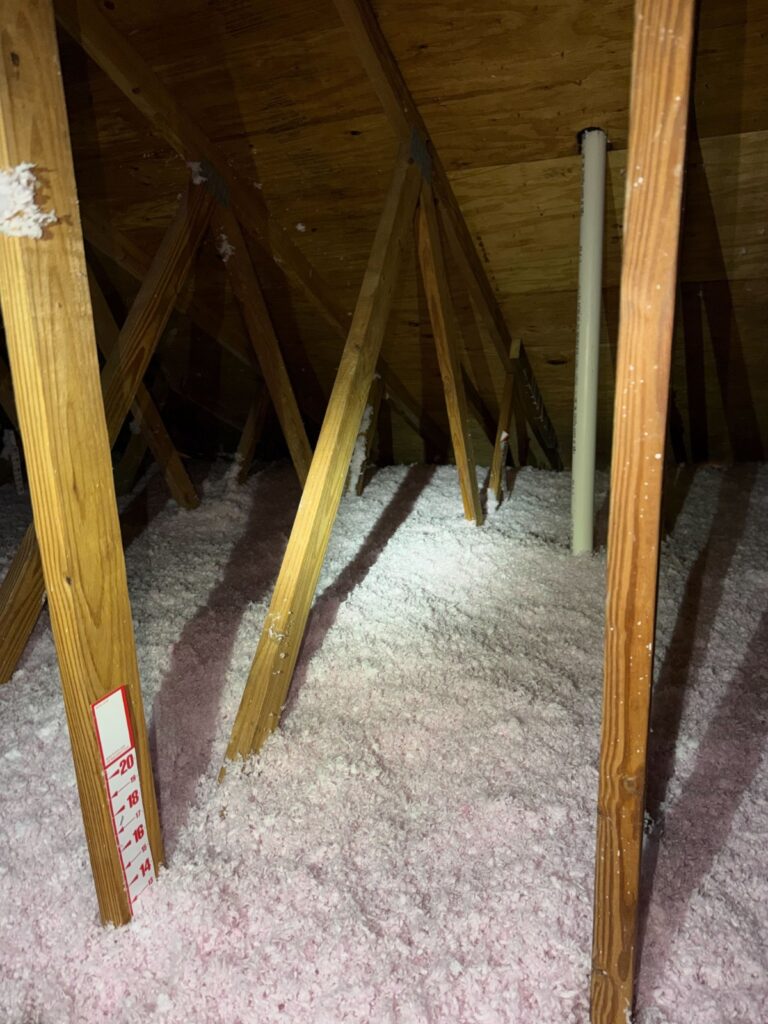
Unlike rigid materials, loose-fill insulation relies on lightweight fibers to trap air and slow heat transfer. Over time, vibration from HVAC systems, natural airflow, and moisture exposure causes the fibers to compress. This settling reduces coverage in critical areas, especially near eaves and framing intersections. When the insulation no longer maintains uniform thickness, heat moves more freely through the attic floor, diminishing overall thermal performance.
Installation technique plays a major role. Inconsistent distribution or insufficient initial depth makes settling more pronounced. Even small variations during application can result in uneven thermal resistance, which becomes noticeable during peak cooling or heating seasons.
🧪 How Uneven Layers Lead to Cold Spots
Cold spots form when compressed insulation allows exterior temperatures to influence interior surfaces. During cooler months, these areas feel drafty; in warmer periods, rooms may struggle to maintain consistent comfort. The issue is not limited to temperature alone. Uneven layers disrupt airflow patterns, forcing HVAC systems to work harder and masking the true source of insulation problems.
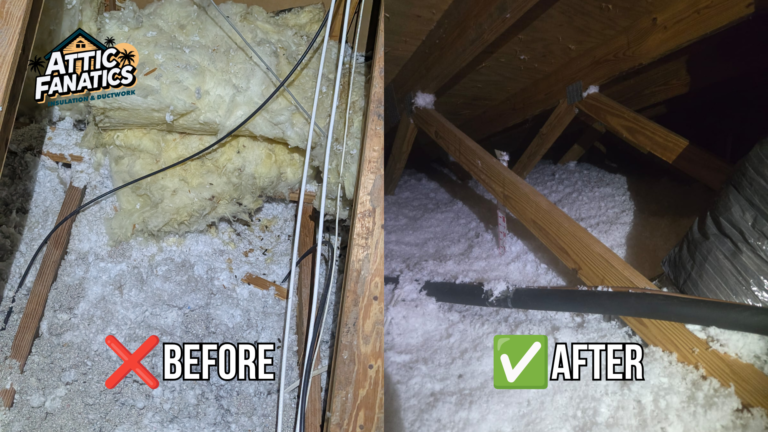
In homes where multiple materials coexist, transitions between loose-fill products and alternatives such as spray foam insulation must be carefully managed. Without proper integration, these junctions become vulnerable zones where thermal performance drops sharply.
🔍 Hidden Indicators Homeowners Often Miss
Many signs of settling develop gradually and are easy to overlook. Common indicators include:
- 🌡️ Rooms that feel cooler or warmer than the rest of the house
- 📈 Gradual increases in power usage without lifestyle changes
- 🌀 Inconsistent airflow from ceiling vents
- 👂 Subtle changes in sound insulation, allowing more outdoor noise
These symptoms often indicate a decline in overall home comfort and temperature regulation, rather than an HVAC malfunction, yet they are frequently misdiagnosed.
⚡ Impact on Energy Performance Over Time
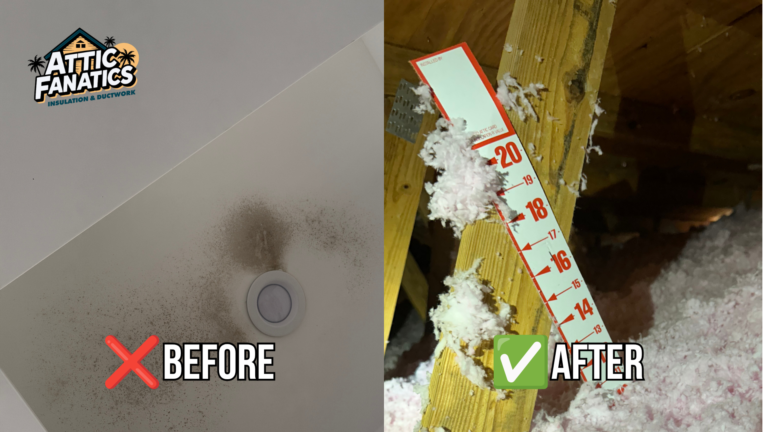
As insulation layers thin, heat transfer increases, forcing climate systems to compensate. This strain affects long-term energy efficiency and can shorten equipment lifespan. Homes with uneven coverage experience greater temperature swings, making indoor conditions harder to regulate. In humid climates, settling can also expose surfaces to moisture fluctuations, compounding efficiency losses and increasing maintenance concerns.
🛠️ Professional Techniques That Prevent Long-Term Issues
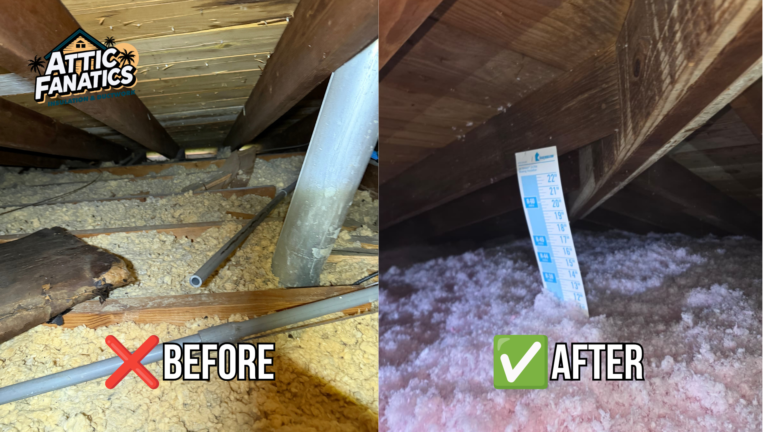
Addressing settling requires more than adding material. Proper evaluation considers attic airflow, moisture patterns, and existing coverage depth. Attic Fanatics applies expert installation methods that account for future compaction, ensuring consistent density across the entire attic plane. Specialized equipment allows for even distribution in tight or irregular spaces, reducing the likelihood of gaps forming later.
🌴 Designing Insulation Solutions for Florida Attics
Regional conditions demand climate-specific strategies. High humidity and temperature extremes place unique stress on loose-fill materials. Tailored installation approaches, combined with accurate depth calculations, help maintain stable coverage despite environmental pressures. When insulation is designed to adapt to these factors, homeowners experience more reliable comfort and steadier indoor conditions year-round.
Creating lasting attic comfort depends on recognizing how settling alters performance and addressing it before small gaps evolve into widespread inefficiency. Thoughtful blow-in installation and ongoing awareness remain essential for maintaining balanced indoor environments and protecting long-term home efficiency.