Why Blown-In Insulation Is Misunderstood and Loved by Professionals 

Homeowners often misunderstand blown in insulation, largely because of outdated assumptions about dust, settling, or inconsistent coverage. Yet professionals consider it one of the most efficient and adaptable insulation methods available today. Modern formulations, combined with precise application equipment, have transformed blown-in systems into a high-performing solution capable of delivering consistent results in attics with irregular structures or hard-to-reach cavities.
While misconceptions persist, many stem from older materials or poor installation practices rather than the technology itself. Today’s blown-in products are engineered to maintain density, reduce airborne particles, and create a thermal layer that conforms naturally to the attic’s shape. These improvements help eliminate gaps, reduce air movement, and enhance long-term energy stability in ways traditional batts often cannot achieve.
Why “Settling” Is No Longer the Problem Homeowners Expect
 Why “Settling” Is No Longer the Problem Homeowners Expect
Earlier generations of blown-in materials were known for significant settling over time, creating uneven insulation layers and reducing overall performance. Modern versions, however, are manufactured with fibers designed to interlock, maintaining depth and density far more effectively. When applied correctly, settling becomes minimal and predictable, allowing the final installed depth to match long-term performance levels.
The key difference lies in material engineering. Denser fibers resist compression better and retain loft, while advanced binders help keep the structure more rigid. Professionals understand how to calculate the proper installed thickness so that the insulation reaches its intended R-value even after natural settling occurs. As a result, homeowners now benefit from a stable, consistent thermal barrier.
Dust Concerns and Air Quality Misconceptions
 Dust Concerns and Air Quality Misconceptions
Many homeowners worry that blown-in insulation produces excessive dust, potentially affecting indoor air quality. This was true decades ago when older materials lacked containment additives. Today’s products incorporate treatments that reduce loose particles during installation and help fibers stay cohesive once applied.
Professionals also use specialized blowers with controlled air pressure settings that distribute insulation without spraying unnecessary debris. Once installed, modern insulation is not easily disturbed, meaning it does not circulate dust through attic spaces or into living areas. Proper sealing around ducts and gaps further prevents particles from entering airflow pathways.
Superior Coverage in Complex or Irregular Attic Structures
 Superior Coverage in Complex or Irregular Attic Structures
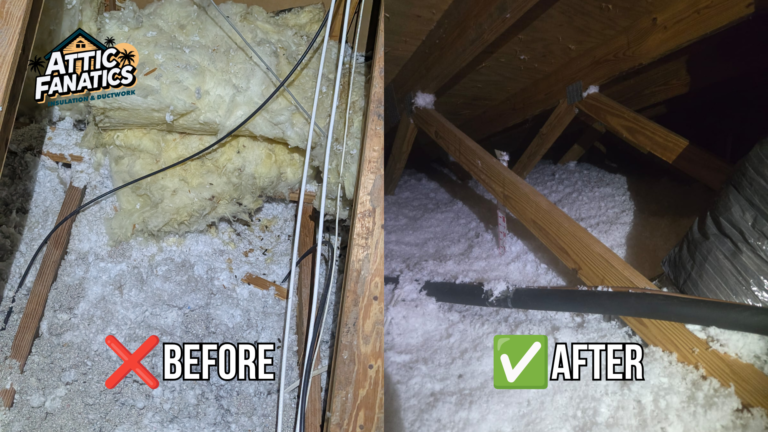
One of the strongest advantages of blown-in insulation is its ability to conform to the attic’s exact geometry. Attics rarely contain perfectly uniform cavities. Instead, wiring, framing intersections, tight corners, and narrow spaces make it difficult for batt insulation to fill every void effectively.
Blown-in materials flow around obstacles, creating uniform coverage that minimizes thermal bridging. This adaptability ensures fewer cold spots and heat-loss pathways, allowing consistent insulation depth across the entire attic plane. For homes with multiple framing transitions or difficult-to-access areas, blown-in systems offer a level of coverage that traditional materials simply cannot match.
Fast Installation With High Precision and Minimal Disruption
 Fast Installation With High Precision and Minimal Disruption
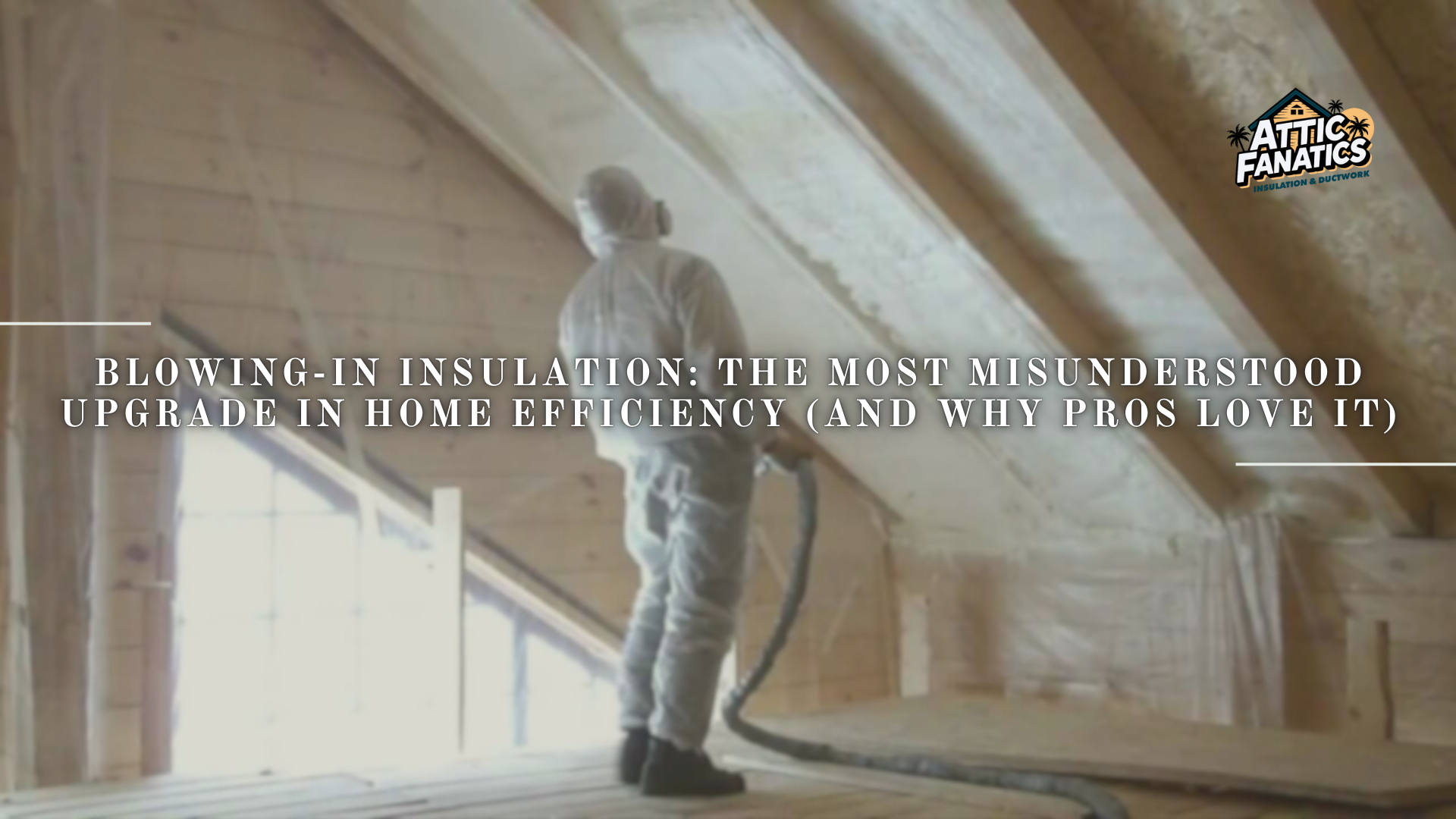
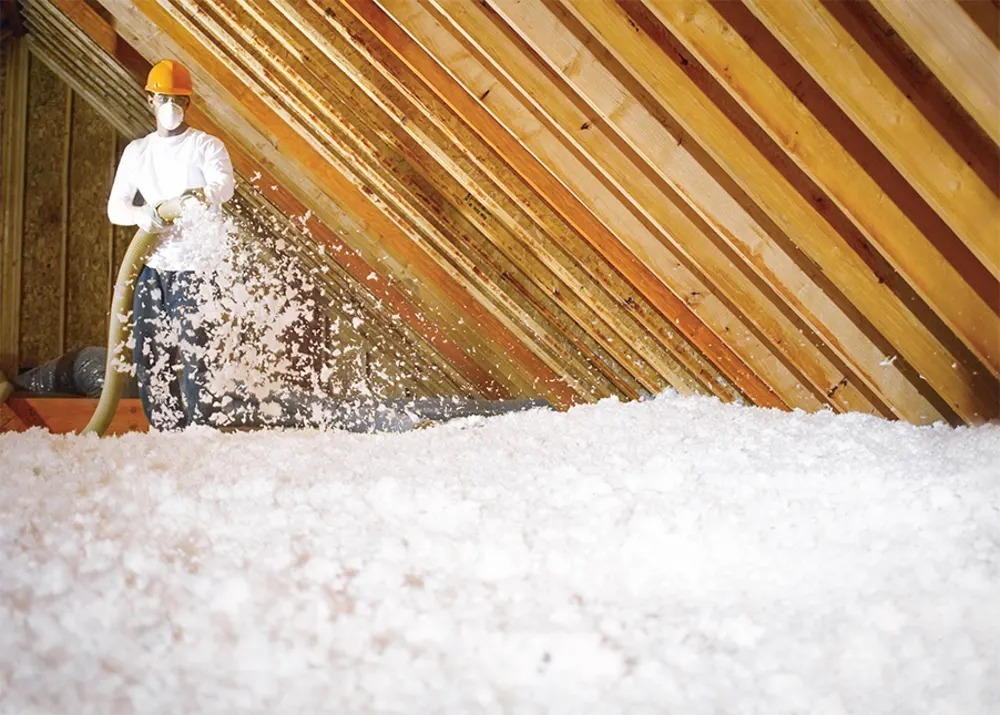
Efficiency is one of the primary reasons professionals prefer blown-in systems. Installation is typically faster because the material is delivered through long hoses, allowing crews to insulate large areas without repositioning manually. This method reduces labor time while achieving a more uniform result.
Precision also improves because installers can adjust airflow, density, and direction in real time. This allows them to refine coverage, build consistent layers, and correct gaps or low spots instantly. The combination of speed and accuracy makes blown-in insulation ideal for upgrades where homeowners want minimal disruption but maximum performance gains.
Addressing the Myth of “Coverage Gaps”
 Addressing the Myth of “Coverage Gaps”
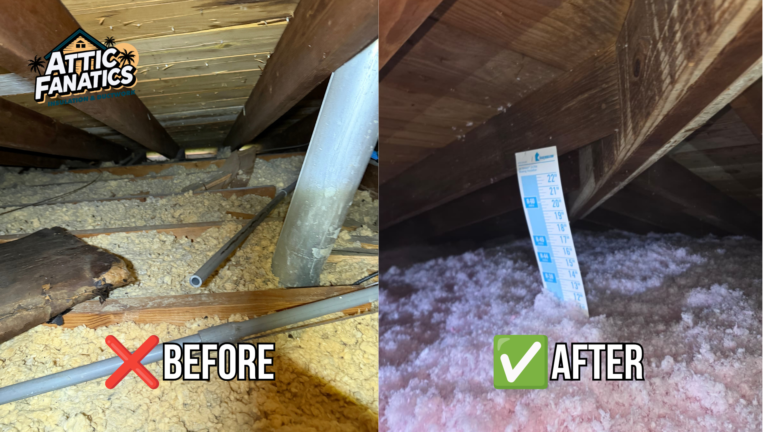
Another misconception is that blown-in insulation creates uneven layers or leaves bare spots. In reality, this problem occurs only when installers lack training or fail to follow proper density requirements. When applied by experienced professionals, blown-in insulation naturally fills open cavity spaces and forms a continuous blanket of coverage.
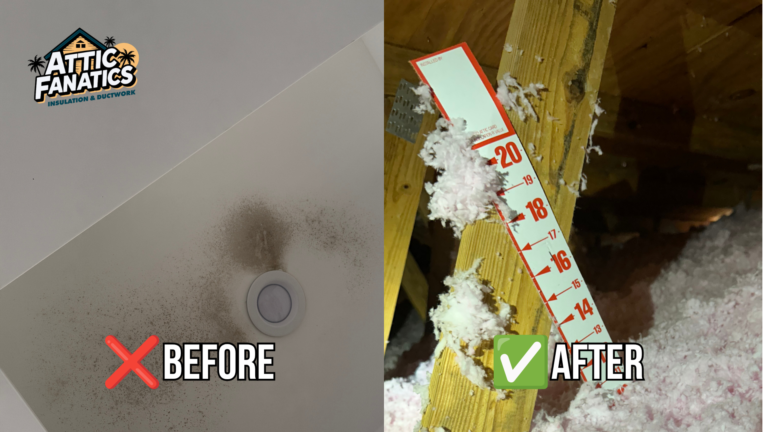
Advanced blowing technologies help maintain uniformity by controlling material flow, ensuring insulation reaches required depths throughout the attic. Quality checks during installation using depth markers and density mapping further ensure that the final layer meets performance expectations.
Why Professionals Recommend Blown-In for Long-Term Efficiency
 Why Professionals Recommend Blown-In for Long-Term Efficiency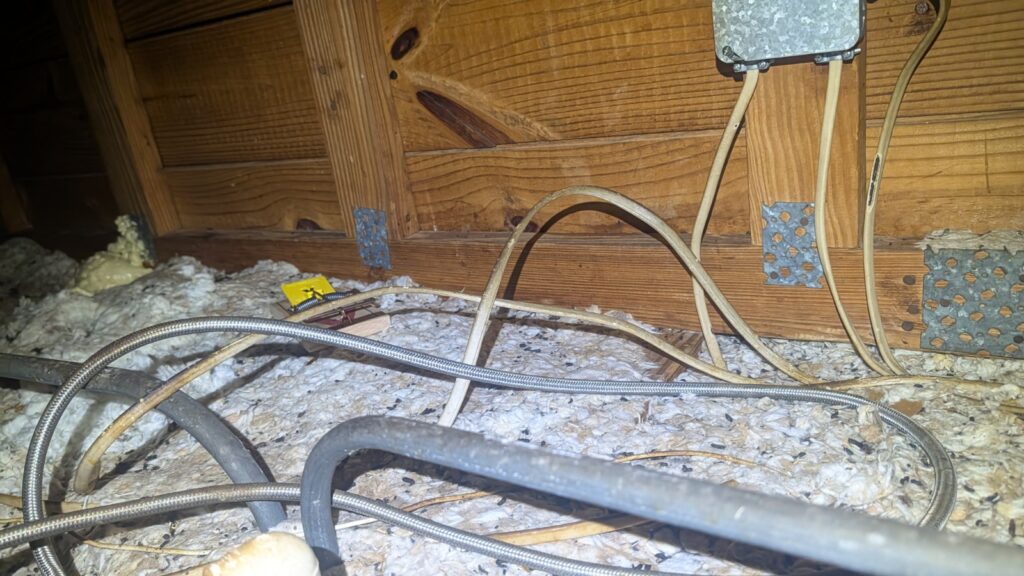
Modern insulation science shows that dense, uniform coverage is more effective at reducing thermal transfer than thick layers installed unevenly. Blown-in systems excel at achieving this uniformity, which helps regulate indoor temperatures more consistently throughout the year. Their ability to reach high R-values without leaving gaps also contributes to reduced HVAC strain and more predictable energy use.
Attic Fanatics relies on blown-in insulation for many projects because it allows precise placement, reliable density control, and strong long-term performance. Their diagnostic process identifies airflow issues, moisture concerns, and structural challenges before installation, ensuring the insulation is applied under optimal conditions. This attention to detail enhances longevity and helps the insulation function at its highest potential.
Lasting Benefits of Choosing Modern Blown-In Systems
 Lasting Benefits of Choosing Modern Blown-In Systems
Blown-in insulation continues to earn renewed respect among professionals thanks to its adaptability, efficiency, and improved engineering. Misconceptions from earlier decades no longer reflect how the material performs today. With advancements in fiber stability, dust control, and application technology, modern blown-in systems deliver consistent thermal protection with fewer installation variables. When combined with expert evaluation and precision techniques, this upgrade offers a reliable path to better comfort, lower energy use, and long-term attic performance.