Why Batt Insulation Is Making a Strong Comeback Among Modern Builders 

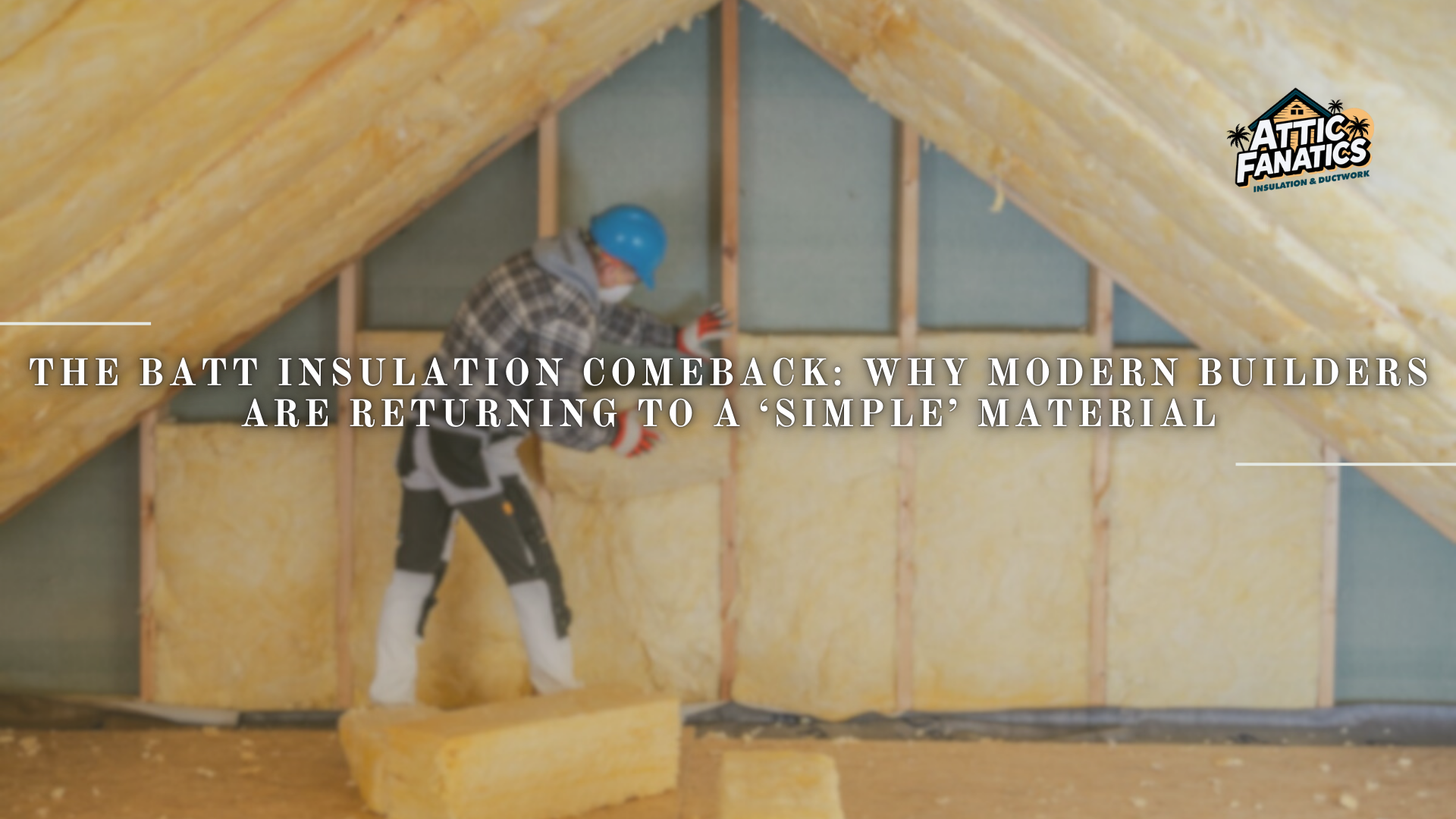
For years, builders moved toward spray foam, blown-in systems, and hybrid insulation solutions, but a noticeable shift is happening again. Many professionals are returning to batt insulation because new advancements have transformed what was once considered a basic material into a highly reliable option. Improved fiber engineering, better moisture resistance, and more predictable long-term performance have made it a practical choice for both new construction and attic upgrades.
How New Fiber Technology Strengthens Material Performance
 How New Fiber Technology Strengthens Material Performance
Traditional batts often struggled with sagging, settling, and inconsistent coverage. Modern versions are engineered with durable fibers that provide better structural integrity and maintain shape even under prolonged heat exposure. The denser fiber arrangement helps reduce gaps around framing, creating more uniform thermal resistance across the installation surface.
These upgraded fibers also respond more effectively to humidity. Older materials absorbed moisture easily, reducing R-value and contributing to microbial activity. Modern formulations incorporate moisture-resistant binders that minimize absorption, allowing the insulation to retain thermal performance and resist deterioration over time.
Improved Fire Resistance Through Advanced Manufacturing
 Improved Fire Resistance Through Advanced Manufacturing
Fire safety has become a central focus in the evolution of batt materials. Newer versions incorporate fire-retardant components that help the insulation withstand ignition longer and slow the spread of heat. This is especially important in attics, where electrical wiring, ducts, and stored items increase overall fire-load potential.
Builders appreciate the ability to include a material that supports code compliance without requiring complex installation techniques. Because the fire resistance is embedded into the material itself, performance does not depend heavily on secondary coatings or on-site treatments. This reliability has contributed significantly to batt insulation’s renewed appeal.
Enhanced Moisture Management and R-Value Stability
 Enhanced Moisture Management and R-Value Stability
One of the biggest criticisms of older batt products was their susceptibility to moisture. Even small amounts of absorption caused fibers to clump, reducing the insulation’s ability to trap air and regulate heat. New batt materials are designed to shed moisture more effectively, preventing long-term changes to density or shape.
This transformation is crucial for maintaining R-value under fluctuating temperature and humidity conditions. The insulation holds its structure more consistently, reducing the risks of settling and thermal bridging. Builders now view batt systems as dependable for maintaining energy performance over time, especially when installed with proper ventilation strategies.
Why Builders Appreciate Predictability and Ease of Installation
 Why Builders Appreciate Predictability and Ease of Installation
Predictability is one of the strongest reasons for batt insulation’s comeback. Unlike spray foam, which requires precise chemical mixing and application conditions, batt products are straightforward to install. Builders know exactly how the material will behave, how it should be placed, and how it will perform once installed.
The simplicity reduces job-site variables, making the installation process quicker and more cost-effective. Batts also allow easier access to wiring, plumbing, and mechanical systems, which is valuable during future repairs or renovations. The combination of affordability and reliability has positioned batt insulation as a preferred choice for many construction teams seeking long-term consistency.
Applications Where Modern Batts Outperform Expectations
 Applications Where Modern Batts Outperform Expectations
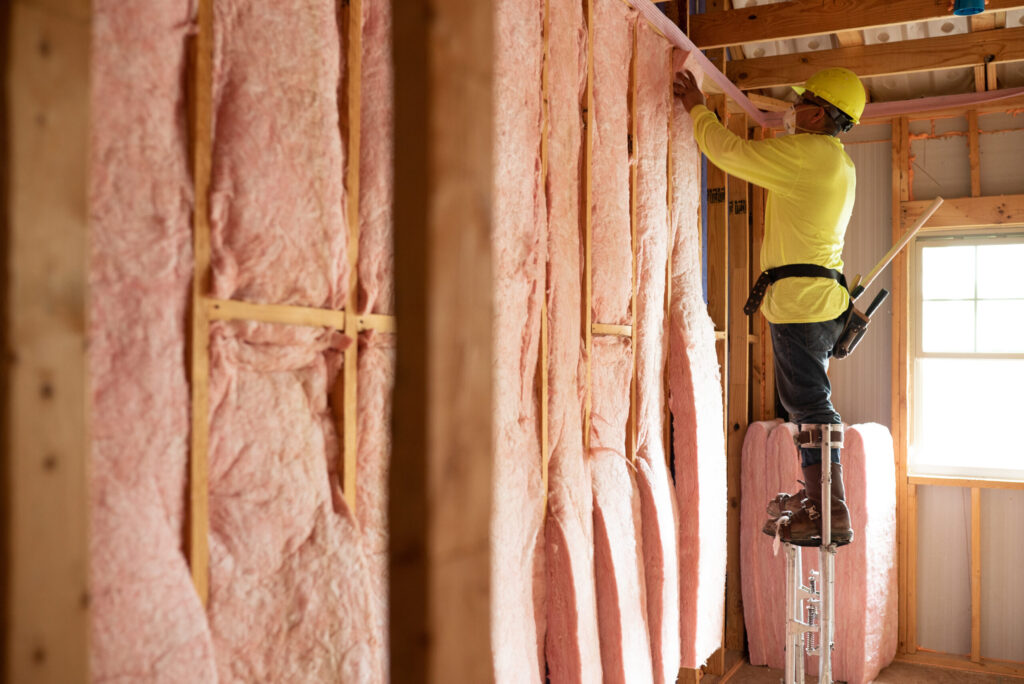
Several modern construction scenarios demonstrate how far batt insulation has advanced. In attics, properly installed batts reduce heat transfer effectively while resisting compression that would have affected older versions. In wall cavities, the enhanced fiber resilience helps maintain a snug fit, limiting gaps that previously led to energy loss.
Areas prone to mild moisture exposure such as around ventilation channels or roof-to-wall transitions benefit from the newer materials’ improved resistance to humidity. These upgrades make batt systems suitable for environments where older materials would have struggled to maintain their shape and thermal resistance.
Role of Expert Installation in Maximizing Performance
 Role of Expert Installation in Maximizing Performance
Even with upgraded materials, batt systems still rely on precision during installation. Attic Fanatics focuses on achieving proper compression levels, full cavity coverage, and clean alignment around structural elements to prevent gaps or thermal voids. Their diagnostic approach ensures that batts integrate correctly with ventilation strategies, air-sealing measures, and attic airflow patterns.
By combining modern materials with expert installation, the result is a predictable, efficient insulation system that performs reliably over time. Batt insulation’s resurgence is less about nostalgia and more about recognizing that improved engineering has elevated the material to a new standard.
Why Builders Continue Choosing Advanced Batt Systems
 Why Builders Continue Choosing Advanced Batt Systems
The return of batt insulation reflects a broader shift toward reliability, affordability, and predictable performance in residential construction. Enhanced fibers, fire resistance, and moisture control have transformed the material from a simple option into a well-engineered solution that supports long-term energy efficiency. With expert evaluation and careful installation, modern batt systems offer a strong, dependable path to achieving stable indoor comfort and durable attic performance.