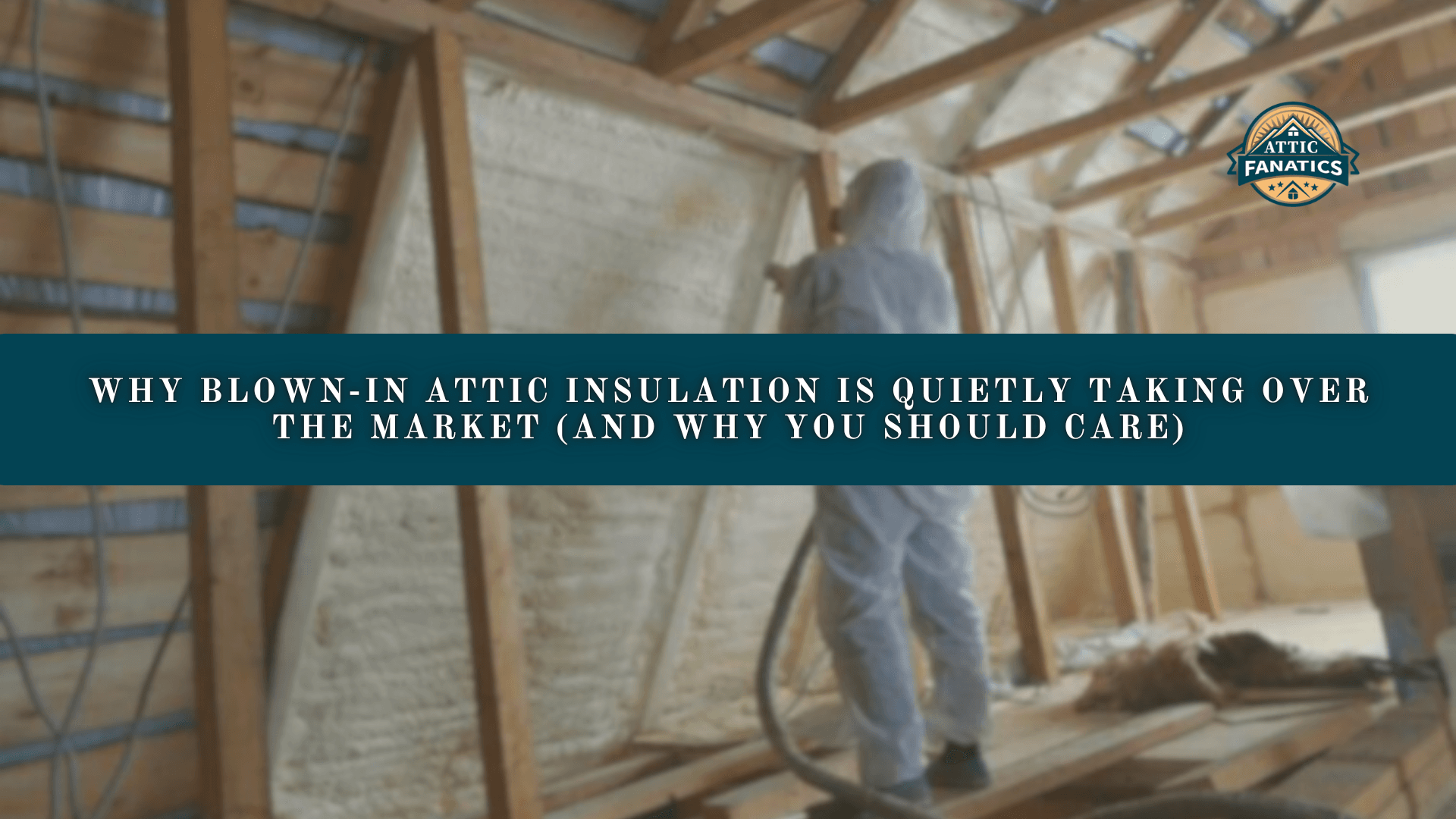
Why Blown-In Attic Insulation Is Gaining Popularity
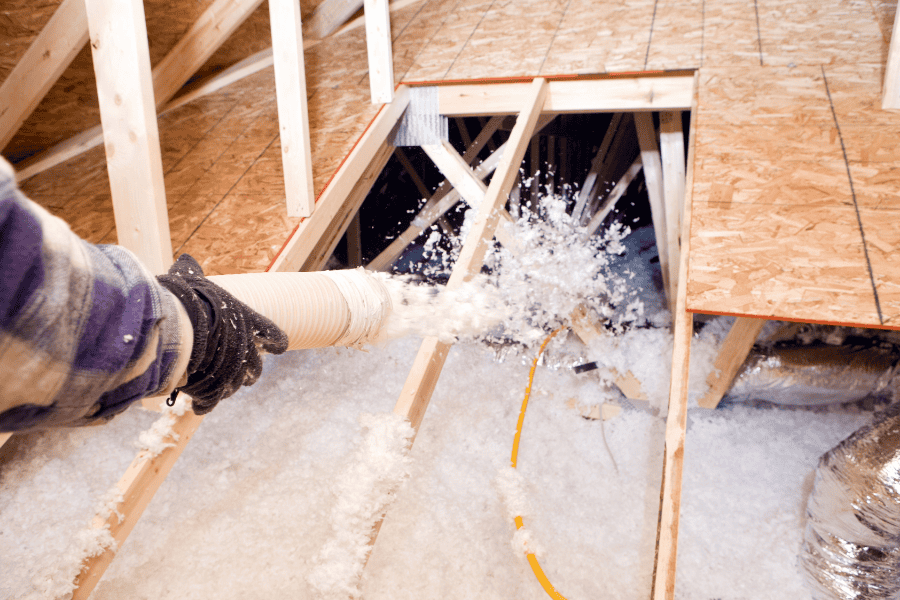
Attic insulation has evolved yet one of the simplest methods continues to outperform expectations. Blown-in attic insulation is quickly becoming the go-to choice for Florida homeowners thanks to its ability to fill gaps, control moisture, and improve energy efficiency with minimal disruption. While other systems offer high-tech appeal, blown-in insulation delivers measurable comfort and savings where it matters most: in everyday performance.
🛠️ Efficient Coverage, Fast Installation
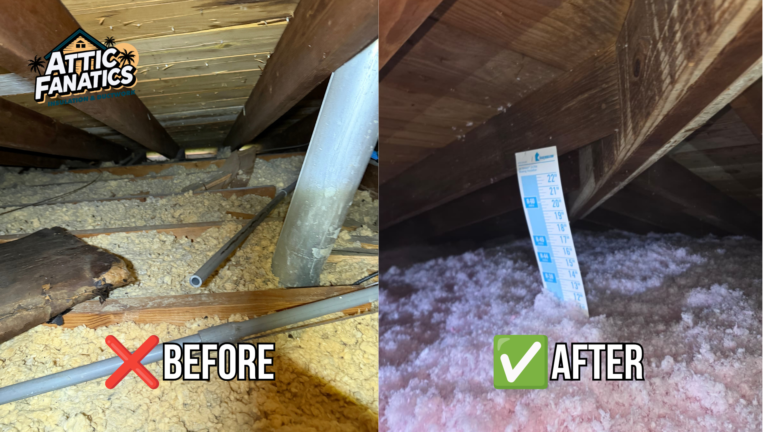
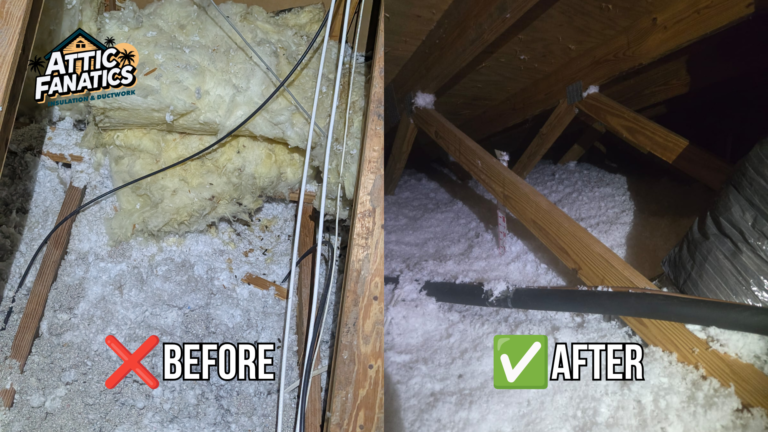
One of the biggest advantages of blown-in systems is how seamlessly they cover irregular spaces. Unlike batt insulation, which must be cut and fit around framing, pipes, and electrical lines, blown material flows into every crevice eliminating gaps and thermal bridging.
This even distribution creates a continuous thermal layer, which is critical in heat-heavy climate. Attics in older homes especially benefit, where structural quirks and past repairs often leave insulation patchy or uneven. The process is also quick: professional teams can insulate most homes in a day or less, minimizing inconvenience.
💰 What to Know About Blown In Insulation Cost
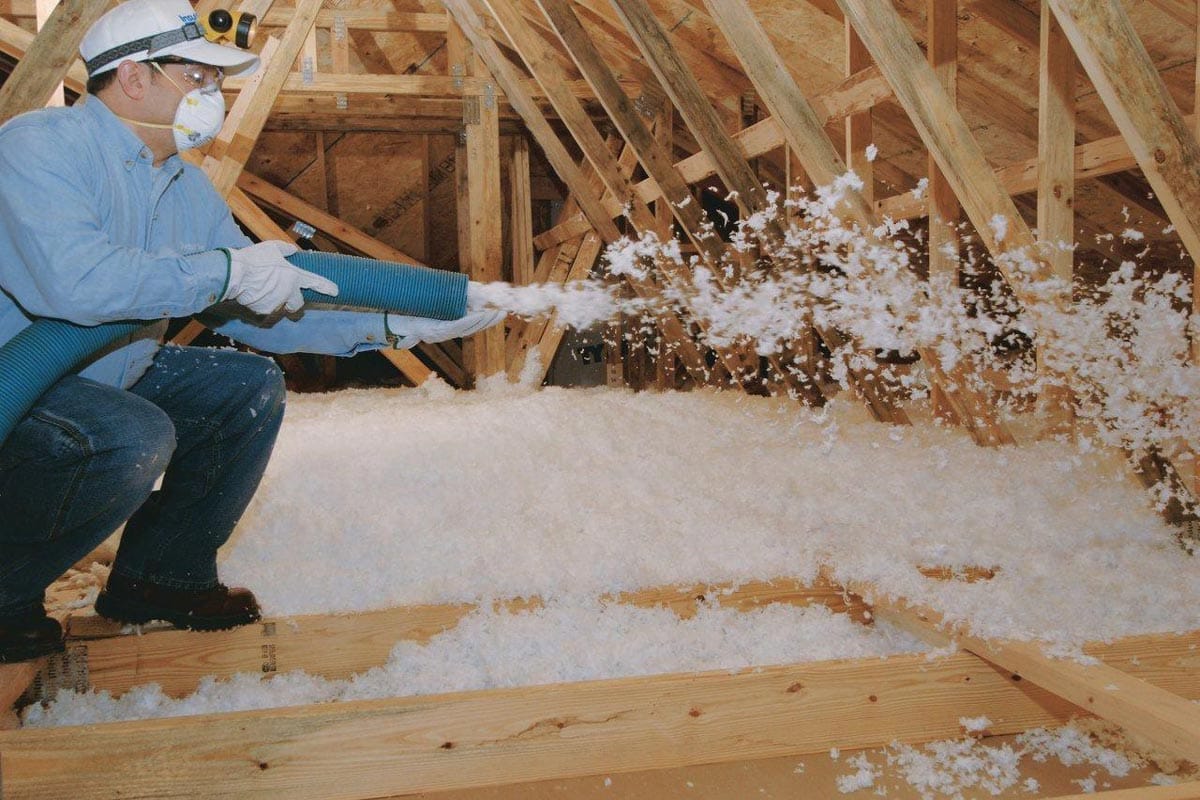
blown in attic insulation price depends on several factors: material type, attic size, and whether existing insulation needs to be removed. Fiberglass tends to be more affordable, while cellulose may offer slightly better air sealing.
In Florida, the average cost ranges from $1.50 to $2.75 per square foot, including installation. Removing old insulation, air sealing, or upgrading ventilation will add to the overall project, but these steps often lead to higher energy savings.
Understanding how much blow in insulation you need starts with knowing your attic’s square footage and the R-value required for your zone (typically R-30 to R-38). Professionals measure depth and density to ensure the insulation meets these standards after settling.
🔇 Quiet, Comfortable, and Energy-Smart
Blown-in materials also offer acoustic benefits. Insulating between floors or above bedrooms can reduce airborne sound transfer making your home feel quieter as well as cooler.
Most importantly, blown-in systems reduce heat gain through the ceiling, which directly lowers your cooling load. Less heat in the attic means your HVAC works less, saving energy and extending equipment life. In humid regions, this matters more than ever, especially during long summer seasons.
⚠️ Common Misunderstandings About Blown-In Systems
Some homeowners assume blown in ceiling insulation settles too quickly to be effective. While minor settling occurs, professional crews account for it during installation applying extra depth to compensate.
Others think blown-in insulation isn’t suitable for attic floors with wiring or obstructions. In reality, these systems can be installed with precision, and air-sealing steps often happen first to improve performance. When done correctly, blown-in insulation meets or exceeds building code and performs for decades.
🧰 Expert Advice That Improves Every Install
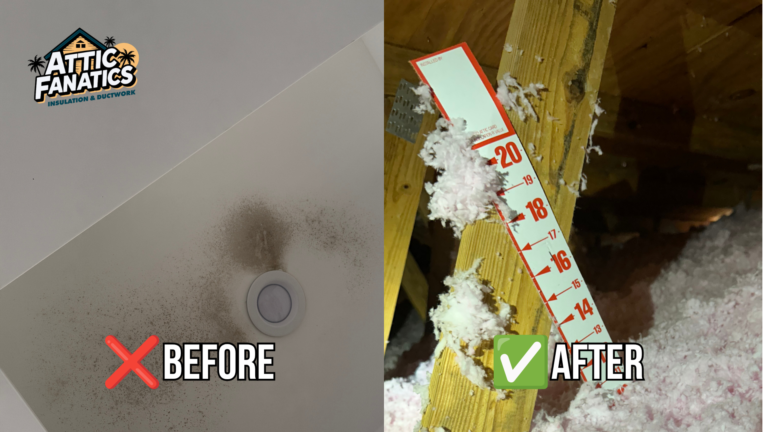
Professionals don’t just blow in insulation and leave. They evaluate roof structure, identify thermal gaps, and assess ventilation. Teams like Attic Fanatics focus on sealing attic penetrations, protecting soffit vents, and verifying coverage depth post-install.
That attention to detail ensures the insulation performs at its rated R-value not just in theory, but in real conditions over time. This also prevents moisture buildup, mold growth, or airflow blockages that can sabotage energy efficiency.
📈 Why Homeowners Are Making the Switch
Blown-in insulation strikes the ideal balance between performance, speed, and value. It adapts to different attic shapes, supports better HVAC performance, and delivers long-term comfort without major remodeling.
As more homeowners understand what truly impacts home efficiency not just materials, but method blown-in systems are gaining ground. In demanding climate, it’s not just about what you install, but how well it performs day after day. And for many homes, blown-in is getting the job done quietly, effectively, and affordably.