🏠 Attic Insulation Price Myths and Real Costs
Homeowners often approach attic upgrades with one question “How much will it cost?” Yet when it comes to insulation, misconceptions about pricing often cloud the real picture. Some believe that higher cost guarantees superior quality, while others assume cheaper materials save money in the long run. The truth lies somewhere in between. Understanding what truly impacts attic insulation cost can help you make smarter decisions for your home improving comfort, efficiency, and long-term value.
💰 The Real Factors Behind Insulation Costs
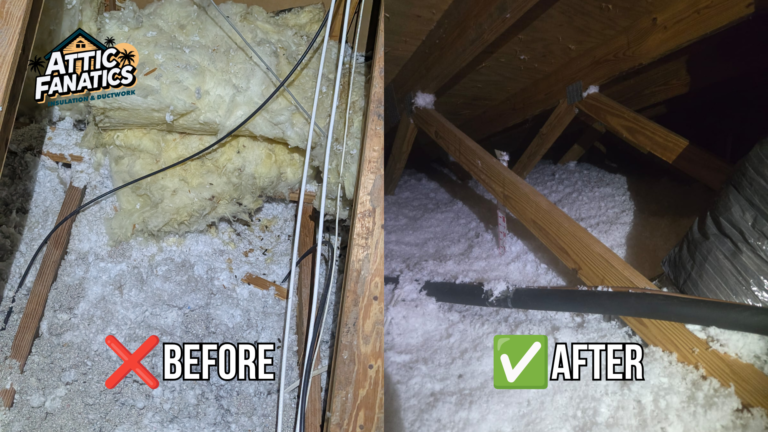
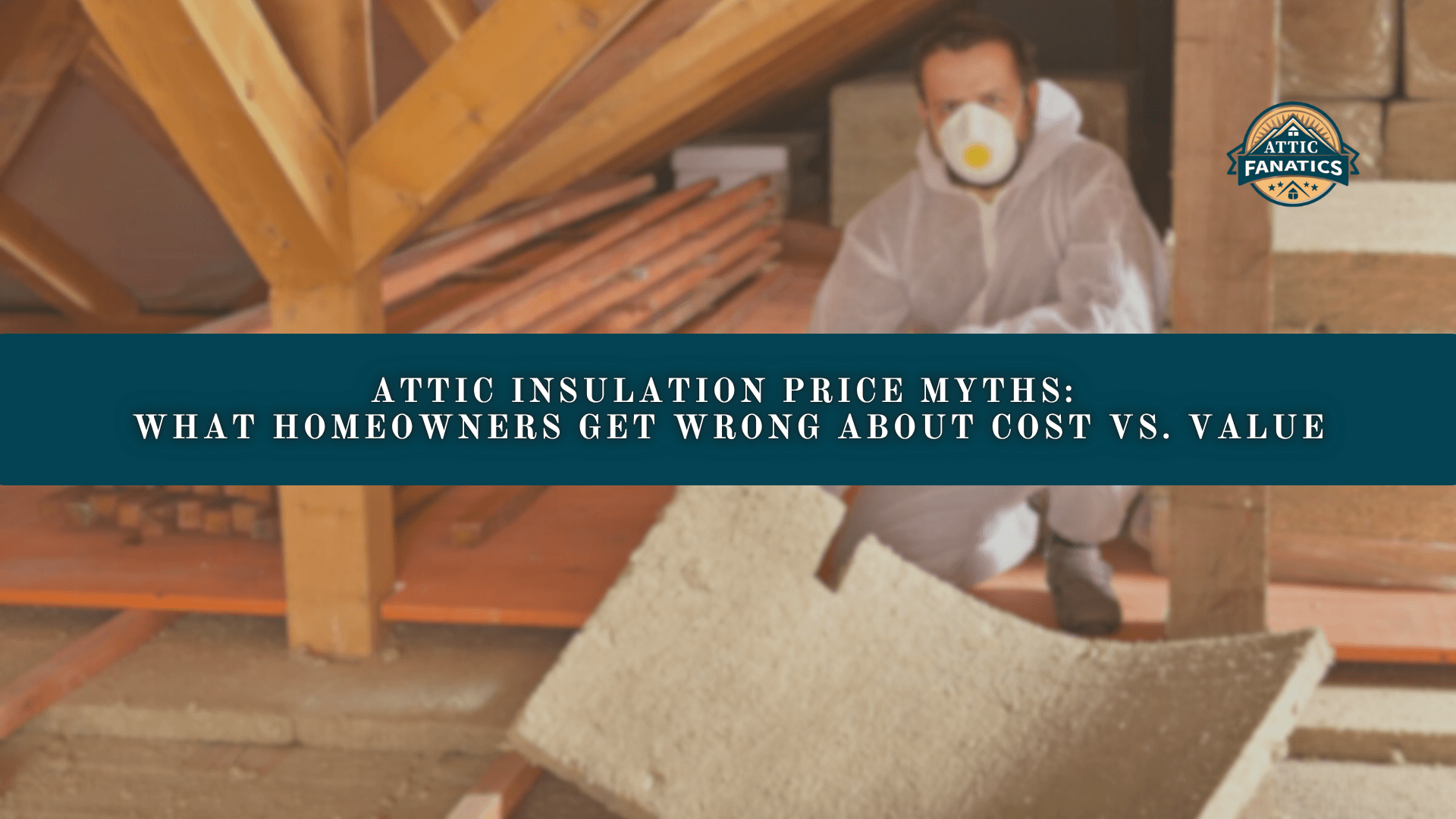
Every insulation project is different, and so are the costs. Factors such as home size, existing insulation condition, material type, and accessibility of your attic all influence pricing. Labor and removal are also significant parts of the total expense especially if old or damaged insulation must be cleared first.
For example, a modest single-story home may spend far less on installation than a multi-level house with difficult attic access. Material choice matters too: fiberglass batts are generally affordable, while spray foam offers superior air sealing but at a higher price point. Balancing these factors ensures your investment aligns with both comfort and cost-efficiency.
🧱 Breaking the “Expensive Means Better” Myth
One of the most common misunderstandings about insulation pricing is that a higher estimate automatically means better performance. In reality, effectiveness depends on proper installation, not just the product itself. Even premium insulation underperforms if installed unevenly or with gaps that allow air leakage.
Humid climate demands attention to ventilation and vapor barriers, not just insulation density. Working with experienced attic insulation contractors ensures every inch of your space is covered correctly a crucial factor for keeping utility costs down year-round.
🌬️ Knowing Material Differences and Value
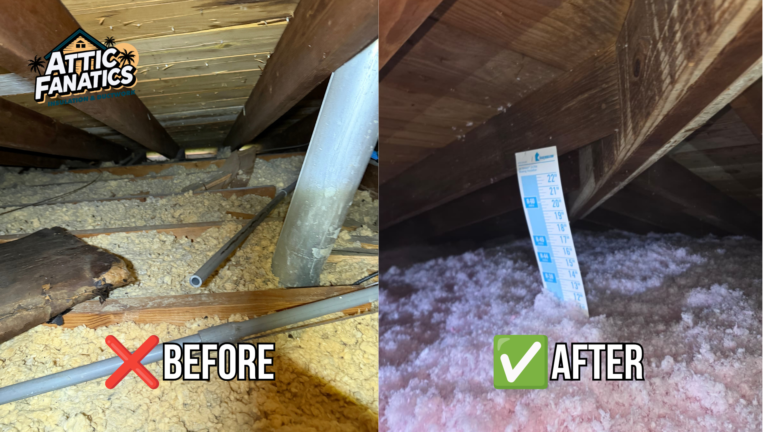
When comparing materials, blown-in insulation often delivers excellent value for Florida homeowners. It’s quick to install, fills small gaps effectively, and provides solid energy savings for the investment. The price for blown in insulation varies based on material type cellulose and fiberglass being the most common but both can significantly enhance comfort and reduce air loss when installed properly.
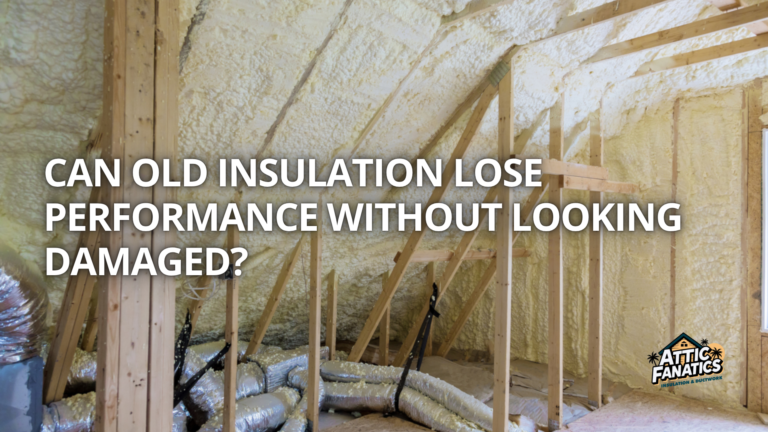
Spray foam, while pricier upfront, creates an airtight seal ideal for homes battling humidity and temperature swings. However, not every attic requires it. Assessing your home’s age, structure, and ventilation can help determine which option delivers the best return for your specific needs.
⚡ Why “DIY Savings” Can Cost More Later
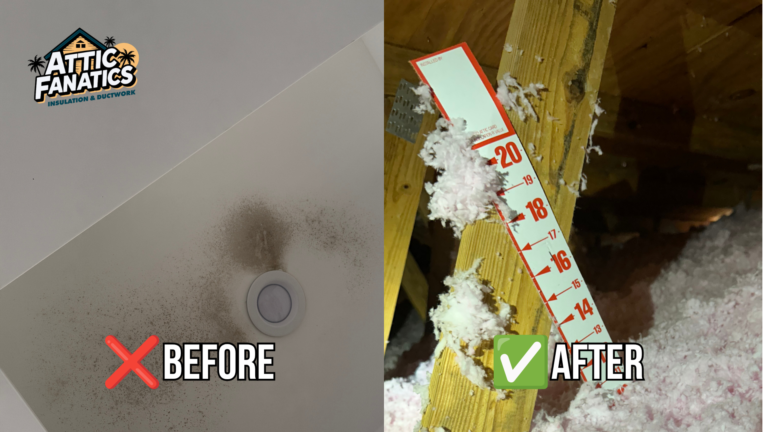
Some homeowners try to cut expenses with do-it-yourself insulation kits, assuming the main savings lie in labor. Unfortunately, improper installation can lead to uneven coverage, air leaks, or moisture retention reducing efficiency and potentially encouraging mold growth. Professional installation ensures the right R-value for your region, secure air sealing, and safety compliance with building codes.
What looks cheaper at first often results in higher energy bills and costly fixes later. Investing in expert service ensures the insulation performs as intended saving money over time rather than draining it through inefficiencies.
🌡️ Long-Term Savings and Energy Payback
While upfront expenses can feel substantial, insulation is one of the few home improvements that pays for itself. Properly insulated attics can reduce cooling and heating costs by up to 20%, especially during peak summer months. Over time, those monthly savings offset initial installation costs, while improving indoor comfort and air quality.
The key is evaluating the total return on investment not just the sticker price. Quality insulation lowers HVAC strain, extends equipment life, and maintains a consistent temperature, keeping your energy consumption predictable year-round.
🧰 Balancing Quality, Budget, and Comfort
Debunking myths around attic insulation helps homeowners see cost and value more clearly. The goal isn’t to spend the most or the least it’s to make informed choices that fit your home’s design, climate, and long-term efficiency goals.
Understanding what drives costs and where value truly lies ensures your attic upgrade becomes a lasting improvement, not a recurring expense. With thoughtful planning and professional expertise, homeowners can achieve both comfort and savings without falling for the price myths that often mislead the process.