What Is Insulation Removal?
Definition and Process Overview
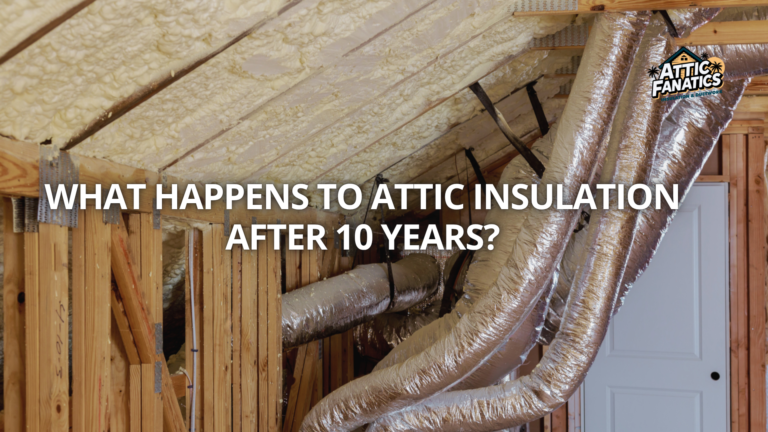
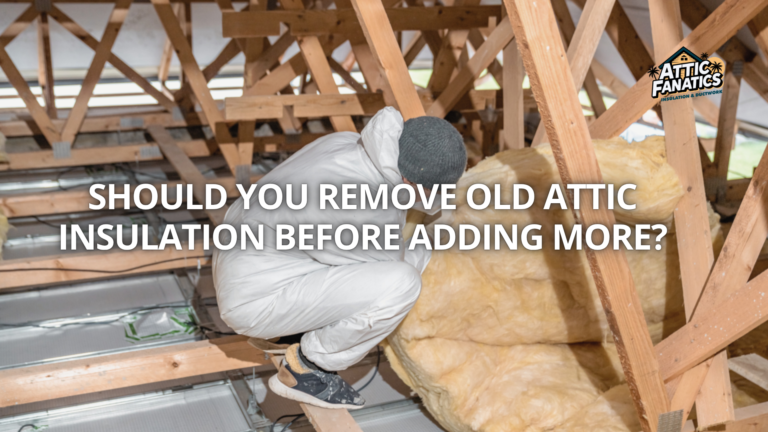
Insulation removal is the process of removing the current, weathered, or soiled insulation from your house prior to the installation of new insulation. This might entail manual removal, specialized vacuum units, and full containment to avoid dust or debris dispersion.
The process of replacing insulation usually starts with a survey to determine the type, condition, and whether there is any hazard, with complete removal and clean-up prior to new insulation installation.
Typical Places Where Removal is Necessary
- Attic insulation removal – is typically necessary in older houses or following roof leaks.
- Crawl spaces – Subject to moisture damage in addition to infestation by pests.
- Basements – Susceptible to mold and mildew development.
Why Remove Old Insulation First
Mold, Mildew, and Moisture Problems
Expired insulation that has been exposed to water leaks or moisture can contain mold and mildew that not only degrades performance but also damages indoor air quality.
Pest Infestation and Droppings
Rodents, mice, and insects commonly nest in insulation, and behind them, there are often droppings, urine, and debris that can circulate allergens and bacteria.
Compressed or Deteriorated Material Loses R-Value
Over time, insulation packs down or settles, drastically reducing its R-value (thermal resistance) and effectiveness.
Potential Fire Hazards or Contaminants
Aging insulation can include asbestos, heavy dust, or flammable materials. It raises safety concerns to have them in place and is also potentially in violation of building codes.
Dangers of Putting New Insulation Over Old
Putting new on top of existing may appear to be simpler, but it presents more challenges than solutions:
- Trapping Moisture or Mold – Any current moisture problems are trapped away without removal, which fosters mold growth.
- Lower Energy Efficiency – Compacted or deteriorated older layers can prevent new insulation from operating efficiently.
- Voided Warranties or Failed Inspections – Some insulation makers require a clean surface to insulate in order to warranty, and building inspectors will not work over old material.
Benefits of Proper Insulation Removal
Improved Air Quality
Removing dirty insulation eliminates the allergens, dust, and mold spores that move around in your home.
Clean, Efficient Surface for New Insulation
A clean surface allows your new insulation to perform to its best.
Years More Comfort, More Efficiency
Begin with new insulation to deliver maximum ideal R-value, fewer air leaks, and better moisture control – all of which result in years of increased comfort and efficiency.
When and How to Remove Insulation Safely
Signs in Your Home Needs to be Removed First
- Chronic mildewy smells
- Signs of pest infestations in the crawl spaces or attic
- Conspicuous air leaks even with proper insulation thickness
- Water damage or roof leaks on new roofs
Need for Hiring Licensed Experts
Removing insulation – particularly if it is asbestos or mold-contaminated – calls for appropriate safety equipment, tools, and disposal. Licensed professionals protect environmental and safety laws.
Handling and Disposal Safety
Trained insulation removal experts use sealed vacuums, protective equipment, and accepted disposal to take out hazardous materials and avoid contamination safely.
Conclusion
Skimping on insulation removal before new installation can produce moisture issues, reduced energy efficiency, and health risks. The most cost-effective, safest method is to completely remove existing insulation, fix any structural problems, and add new material on a clean, secure base. Attic Fanatics is a licensed attic insulation removal and replacement service provider that maximizes your home for comfort, safety, and energy performance. Contact us today for a free inspection and experienced expert work.