Attic Smells After Insulation Work 

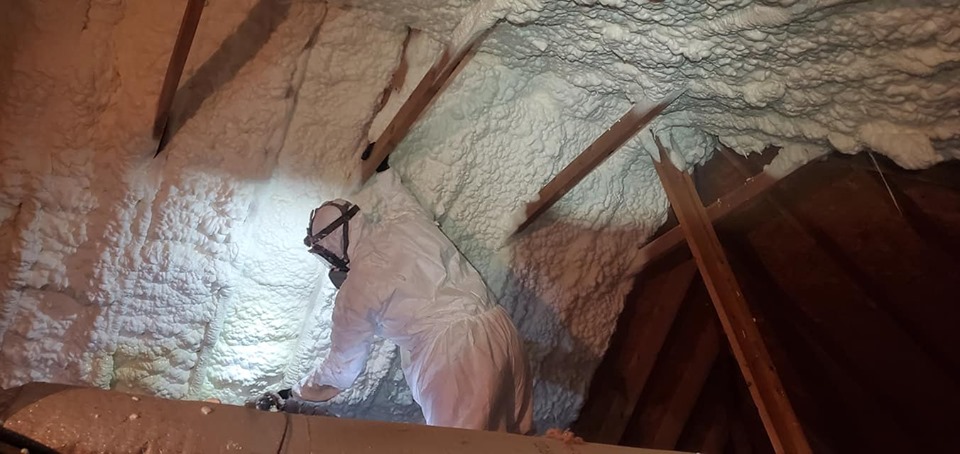
Alt text: Musty attic smell after insulation work due to moisture and mold.
Upgrading your attic insulation can be an excellent way to improve energy efficiency and comfort in your home, especially in areas like Pembroke Pines. However, many homeowners find that after replacing their attic insulation, a persistent attic odor still lingers. This can be frustrating — after all, insulation should fix the problem, right? Unfortunately, insulation replacement alone often doesn’t address the underlying causes of attic odors.
Why Does Your Attic Smell After Insulation Work? 

The lingering musty smell in your attic after insulation upgrades often comes from hidden issues that insulation alone cannot resolve. Simply installing new attic insulation does not always eliminate the sources of moisture, mold, or other contaminants that contribute to odors. Understanding these causes can help homeowners prevent ongoing odor issues and create a healthier environment in their attics.
Mold and Rot in Roof Decking or Framing 

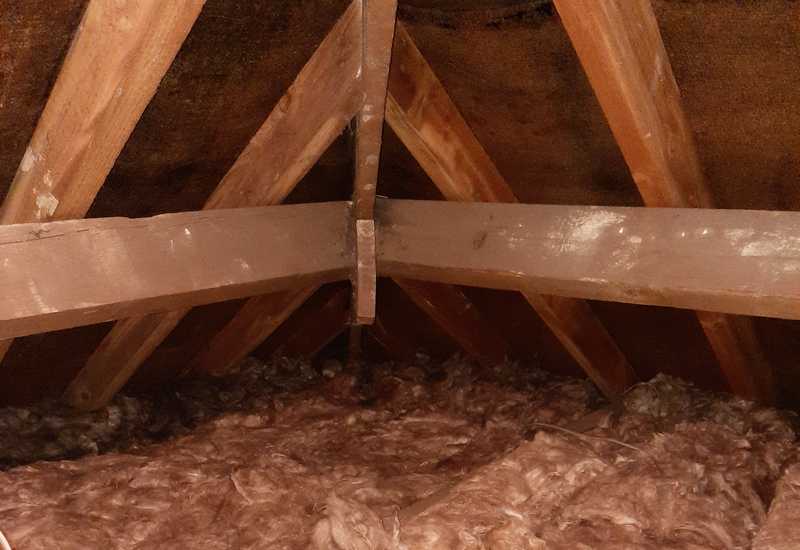
Alt text: Mold and rot on roof decking or framing caused by trapped moisture.
One of the most common culprits of persistent attic odors is the presence of mold or rot in the roof decking or framing. Even with fresh attic insulation, these materials can harbor moisture, leading to mold growth and, consequently, an unpleasant musty smell. If the source of moisture, such as a leaky roof or improper ventilation, is not addressed, mold will continue to thrive, making the odor persistent.
Moisture trapped within the attic can also cause wood to rot, which further exacerbates the smell. It’s important to ensure that not only your insulation is replaced but that the underlying issues with the structure itself are fixed before sealing the attic space.
Poorly Cleaned Attic Cavities 

Alt text: Dust, debris, and rodent waste in poorly cleaned attic cavities.
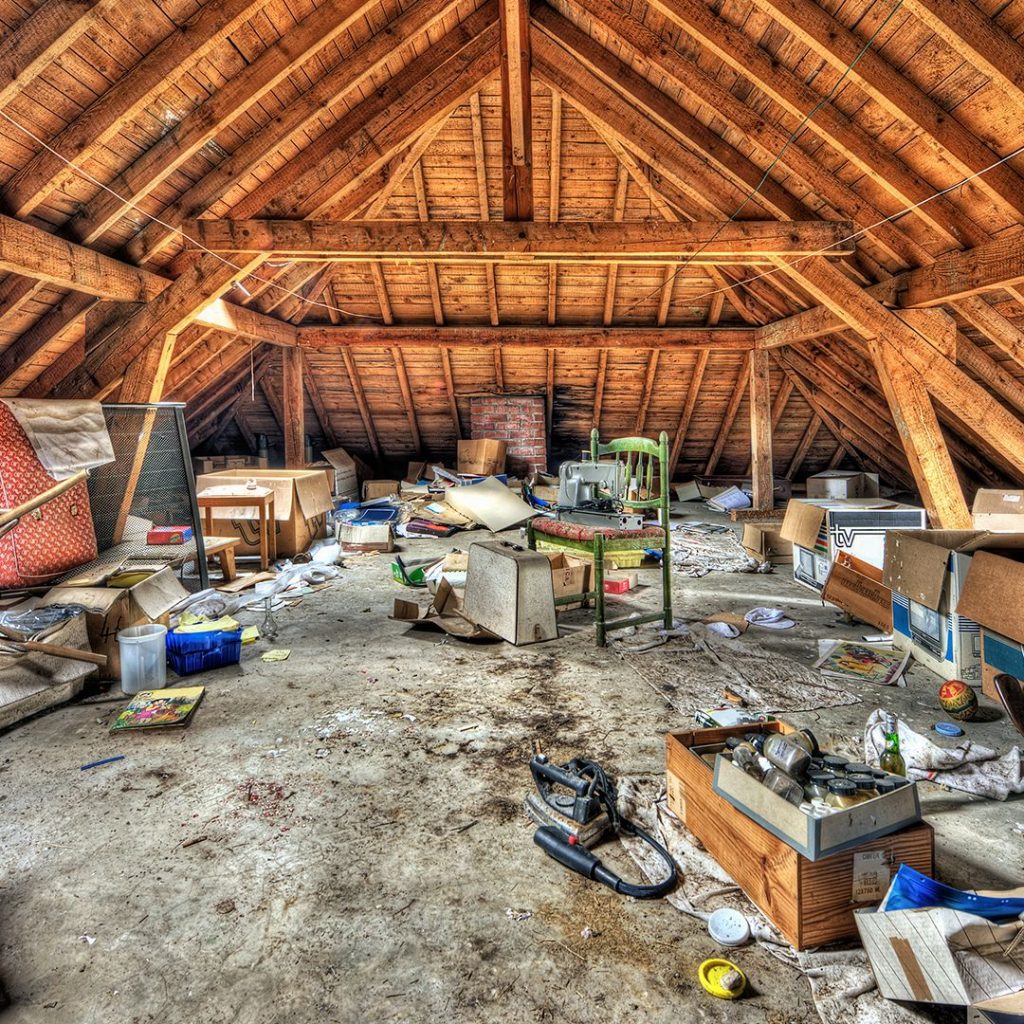
Another reason for persistent odors is the presence of old debris, such as dust, rodent urine, or animal nests, that may have accumulated in the attic over time. These contaminants, while not directly related to attic insulation, can contribute significantly to the musty smell. Insulation replacement does not involve cleaning the attic space, which is why the odors remain.
If rodents or animals have nested in the attic, their urine or droppings can cause significant, long-lasting smells that are difficult to remove without proper cleaning.
Old Ductwork Leakage or Mold in HVAC Components 

Old ductwork is another often overlooked source of attic odors. Over time, ducts can develop leaks, allowing air from the attic to enter the living spaces below. This can bring the musty smell from the attic into your home.
Moreover, mold can build up inside HVAC components, particularly in areas where condensation has accumulated. Attic odor causes can also extend to the HVAC system, especially if the ducts are not properly maintained or cleaned.
To fully address the odor problem, it’s essential to inspect the ducts and HVAC components, ensuring there is no mold or mildew growth that could be affecting the air quality in your home.
Air Leaks from Bathrooms or Kitchens Introducing Humidity 

Alt text: Air leaks from bathrooms or kitchens allowing humidity into the attic.
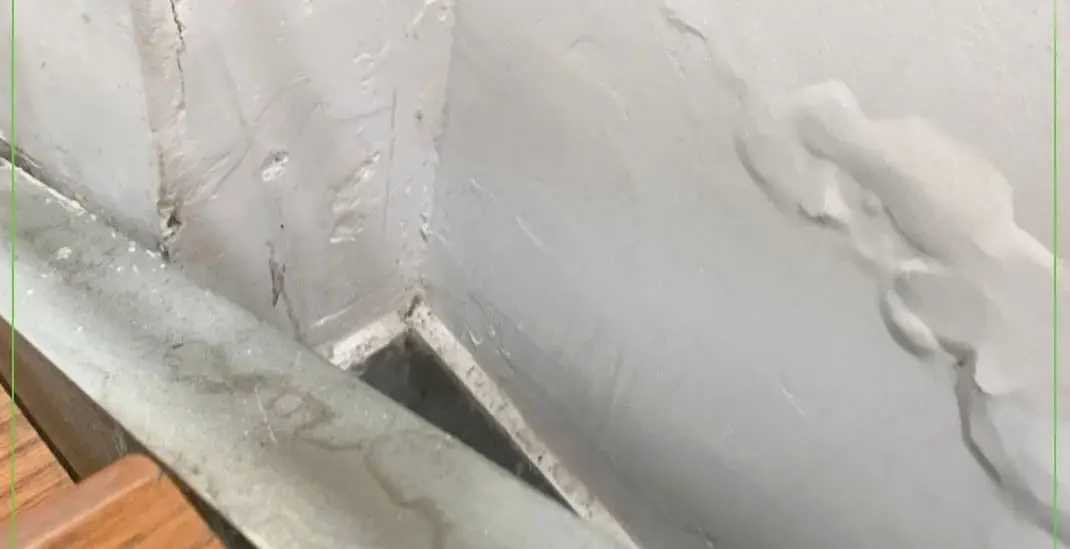
Another contributing factor to attic moisture and, consequently, odors can be air leaks from bathrooms, kitchens, or other high-humidity areas. Humid air can escape from the living spaces below and rise into the attic, where it can cause moisture buildup. This moisture can lead to condensation, mold, and musty smells in the attic.
If the air leaks are not sealed properly, they can keep introducing humidity into the attic, leading to continuous problems with attic insulation.
Properly sealing these leaks, especially around bathrooms, kitchens, and other moisture-heavy rooms, can prevent further moisture buildup in the attic.
How to Solve the Problem 

Once you’ve identified the source of the odors in your attic, it’s important to take corrective action to address the underlying causes. Here’s what you can do to eliminate the musty smells once and for all:
Inspect the roof and structure: Check for any leaks, water damage, or rot in the roof decking and framing. If these issues are present, they must be repaired to stop moisture from accumulating.
Clean the attic thoroughly: Remove any debris, animal nests, or rodent droppings that may be contributing to the smell. Deep cleaning the space will help eliminate these sources of odor.
Replace or seal old ducts: Check for leaks in your ductwork and replace any sections that may be damaged. Additionally, clean out any mold or mildew that may have built up inside the HVAC components.
Seal air leaks: Inspect areas around bathrooms and kitchens for air leaks that could be allowing humid air into the attic. Sealing these leaks will help prevent moisture from entering and causing condensation.
Install a vapor barrier: In cases where moisture accumulation is an ongoing issue, consider installing a moisture barrier to prevent further humidity from entering the attic and causing damage.
Prevent Future Odors with Proper Maintenance 
After addressing the immediate causes of the attic smell, regular maintenance is essential to keep your attic fresh and odor-free. Ensure that your attic is properly ventilated, and check for signs of moisture buildup or mold growth periodically. Routine attic inspections can help catch problems early before they become significant issues.
By being proactive about moisture control and attic maintenance, you can ensure that the odors don’t return after you’ve replaced your attic insulation service.