Flat Roofs and Insulation Behavior 🏠🌞
Alt Text: Understanding insulation behavior in flat-roofed homes

How Flat Roofs Affect Insulation 🏡🔧
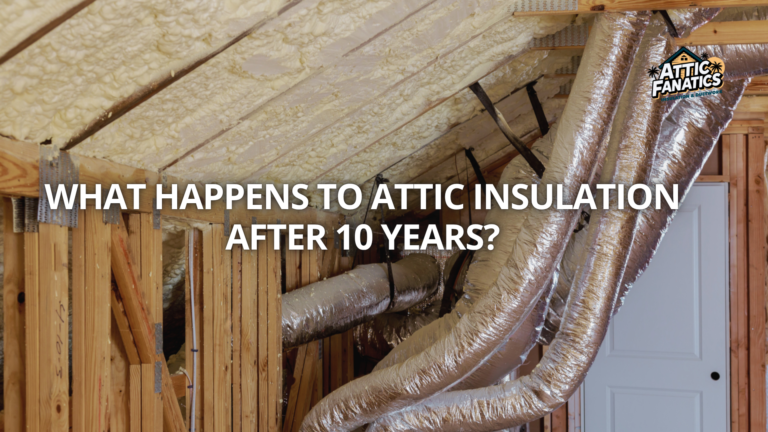
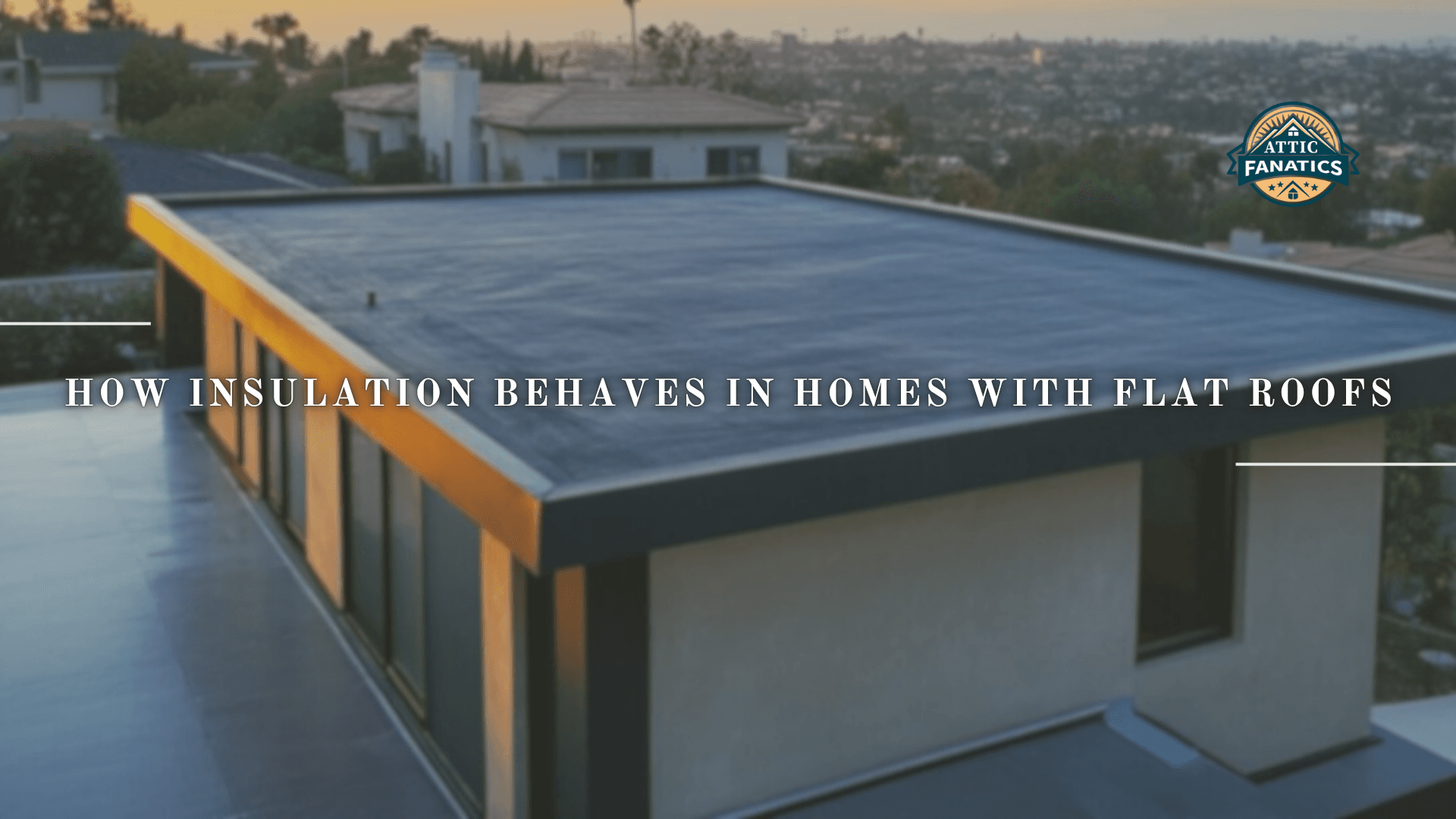
The primary issue with flat roof insulation is how heat and moisture behave in these roof assemblies. Flat roofs are more prone to attic overheating because they lack the natural pitch that allows heat to escape. Without proper insulation and ventilation, heat can accumulate, making attics even hotter, especially during the summer months. In Fort Lauderdale roof insulation, the combination of high temperatures and humidity means that insulation must be carefully chosen to prevent the buildup of excessive heat and moisture.
In flat-roofed homes, where ventilation is often limited, flat roof attic insulation needs to be paired with effective airflow systems. If heat is trapped without a way to escape, it can lead to a variety of problems, including reduced HVAC efficiency, discomfort, and even structural damage over time.
Moisture Management in Flat Roof Insulation 💧🌬️
One of the biggest challenges with insulation is managing moisture. Flat roofs are more susceptible to water pooling, which can increase the likelihood of leaks and water infiltration. When moisture is trapped beneath insulation, it can degrade the material, causing mold growth and a reduction in insulation efficiency. The humid climate in South Florida exacerbates this issue, especially in flat roof attic insulation, where the lack of ventilation can trap the moisture, leading to long-term damage.
To prevent this, it’s essential to use high-quality moisture-resistant materials, such as closed-cell spray foam. This type of insulation acts as both a thermal and moisture barrier, preventing water from seeping into the structure. It’s especially effective in preventing mold and mildew, which are common in humid areas.
The Importance of Proper Ventilation 🌬️💨
Without adequate ventilation, even the best insulating material can fall short. Ventilation helps regulate attic temperature and moisture levels, preventing attic overheating and reducing the risk of condensation. Installing ridge vents, soffit vents, or even powered attic fans can help ensure that air circulates properly, preventing hot air from getting trapped.
Fort Lauderdale roof insulation should not be treated as a standalone solution. Ventilation is an integral part of the system. In homes with flat roofs, it’s essential to ensure that the insulation is complemented by a ventilation system that will allow hot, humid air to escape, preventing it from causing damage.
Key Considerations for Flat Roofs Insulation 🌞🏠
When choosing roofing insulation, it’s important to understand its material must be suited to both heat resistance and moisture control. Materials like spray foam are ideal for these roofs, as they provide excellent coverage and can fill in any gaps or cracks. On the other hand, batt insulation may not be as effective in these situations, as it is more prone to absorbing moisture, which can compromise its performance.
In Fort Lauderdale, it’s essential to work with experts who understand how these roofs interact with their environment. For example, homes in coastal areas may need additional protection from saltwater, while homes in areas prone to heavy rainfall need better moisture resistance. Tailoring the insulation to the specific needs of the home can prevent common issues like attic overheating and moisture buildup.
Why Traditional Insulation Doesn’t Always Work for Flat Roofs 🏚️❌
Many homes in South Florida with flat roofs were originally built with traditional insulation methods, but these often fail to provide adequate protection. Insulation for flat roof spaces must be more than just a layer of material — it needs to actively control both temperature and moisture to ensure the attic remains cool and dry. The key difference between rooftop and traditional pitched insulation is the need for superior sealing and ventilation.
In some cases, homes with flat roofs may require a hybrid approach, using both spray foam and batt insulation in different sections. This approach allows for flexibility, ensuring that each area of the attic is insulated based on its unique needs. For example, the roof deck may benefit from spray foam for air sealing, while the attic floor can use batt insulation for thermal resistance.
The Benefits of Spray Foam Insulation for Flat Roofs 🛠️💡
Spray foam insulation is the best choice, particularly in humid climates. Its ability to expand, fill in cracks and gaps makes it one of the most effective insulation materials available. Additionally, spray foam acts as a barrier against both heat and moisture, preventing condensation from building up in the attic.
The superior air-sealing properties of closed-cell foam also help prevent attic overheating, keeping your home cooler and reducing the load on your air conditioning system. The combination of high R-value and moisture resistance makes it an ideal insulating material for flat roofs, ensuring your home remains energy-efficient and comfortable year-round.