
Common Batt Insulation Mistakes and How to Avoid Them
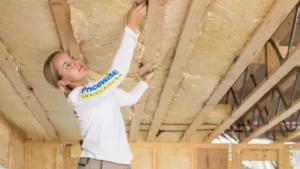
Mistake 1: Gaps and Poor Fit One of the most common mistakes in batt insulation installation is having gaps between insulation and framing. Small gaps will let heat out in winter or let heat in and make the system less comfortable and cost more to operate. Why it is significant: Gaps form thermal bridges through which heat can travel around the insulation itself. How to avoid it: Cut your insulation only after measuring every cavity precisely. Cut using a utility knife and a straightedge for neat, precise edges. Fill insulation tightly around studs, joists, and obstacles without compressing the insulation. Mistake 2: Compression of Insulation Batt insulation contains air pockets in its fibers to prevent heat from passing through. Compressing it eliminates most of its insulating value, or R-value. Why it matters: Compressed batt reduces air spaces to minimize resistance to heat flow. Best practices: Don’t pack insulation into spaces that are too small. Select the correct thickness for the space you are insulating. Trim the batt to fit around wires or pipes when they are in your way instead of compressing it. Mistake 3: Air Sealing omission
Duct Cleaning vs. Duct Replacement: What Does Your Home Need?
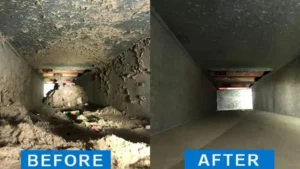
What Is Duct Cleaning? Process Overview Duct cleaning is the cleaning of dust, dirt, allergens, and contaminants from the ducts of your home’s heating, ventilation, and air conditioning system. It’s done by certified technicians using such equipment as high-powered vacuums, brushes, and air whips to dislodge buildup and keep the debris from spreading into living spaces. When It’s Recommended You might consider air duct cleaning if: You notice obvious dust or debris coming from vents. There’s evidence of mold growth within the ducts. You’ve recently completed renovations that generated a lot of dust. You or your family members have an allergy or respiratory symptoms indoors. Benefits of Regular Cleaning Improved Indoor Air Quality: Reduces allergens, dust, and mold spores in circulation. Better HVAC Efficiency: Less buildup means your system works with less strain. Odor Removal: Gets rid of musty, stale, or chemical smells trapped in the ducts. What Is Duct Replacement? When Ducts Are Too Damaged to Clean Cleaning isn’t always enough. If your duct system has been damaged, corroded, leaking, or is outdated, then replacement is probably the best option. Over time, ducts develop holes, rust, or sagging
How Duct Replacement Can Improve HVAC Efficiency
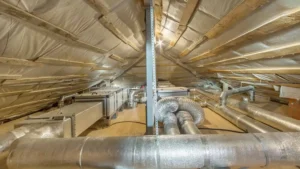
Improve HVAC efficiency with duct replacement-reduce energy waste, boost airflow, cut costs, and enjoy cleaner indoor air.
Best Spray Foam Insulation Practices for Humid Climates
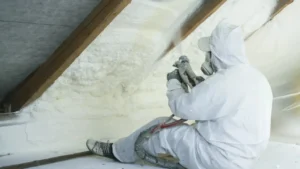
Why Spray Foam Works Well in Humid Climates Air Sealing Properties Spray foam offers an impermeable, air-tight seal that won’t allow warm, humid air into your home to mingle with cooler interior air – a leading source of condensation. The air sealing benefit is an ongoing source of constant, consistent indoor temperatures and a lessened load on HVAC systems. Resistance to Moisture (particularly Closed-Cell) Closed-cell spray foam is a water-resistant insulation that is used as an insulator and vapor barrier. Its thick composition resists water and will not absorb water, making it very well-suited for keeping water out of wet or coastal environments. Prevention of Mold and Mildew Since spray foam eliminates air leaks and moisture accumulation, it significantly lessens the possibility of mold and mildew development – a ubiquitous issue in tropical regions with perpetual humidity. Open-Cell vs. Closed-Cell: Which to Use? Key Differences and Moisture Performance Open-cell spray foam: More yielding, soft, and porous. While it provides outstanding sound insulation, it is not naturally dampness-resistant and might need supplemental vapor barriers in moist areas. Closed-cell spray foam: More firm, rigid, and resistant to Moisture. It also
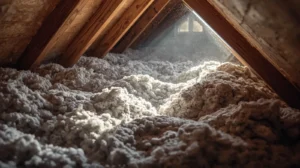
Why Insulation Removal Is Essential Before New Installation
What Is Insulation Removal? Definition and Process Overview Insulation removal is the process of removing the current, weathered, or soiled insulation from your house prior to the installation of new insulation. This might entail manual removal, specialized vacuum units, and full containment to avoid dust or debris dispersion. The process of replacing insulation usually starts with a survey to determine the type, condition, and whether there is any hazard, with complete removal and clean-up prior to new insulation installation. Typical Places Where Removal is Necessary Attic insulation removal – is typically necessary in older houses or following roof leaks. Crawl spaces – Subject to moisture damage in addition to infestation by pests. Basements – Susceptible to mold and mildew development. Why Remove Old Insulation First Mold, Mildew, and Moisture Problems Expired insulation that has been exposed to water leaks or moisture can contain mold and mildew that not only degrades performance but also damages indoor air quality. Pest Infestation and Droppings Rodents, mice, and insects commonly nest in insulation, and behind them, there are often droppings, urine, and debris that can circulate allergens and bacteria. Compressed or Deteriorated
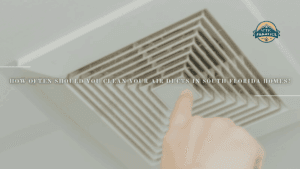
How Often Should You Clean Your Air Ducts in South Florida Homes?
Mold, dust, and humidity take a toll on ductwork. Find out how often South Florida homeowners should clean air ducts to maintain indoor air quality.