Mistake 1: Gaps and Poor Fit
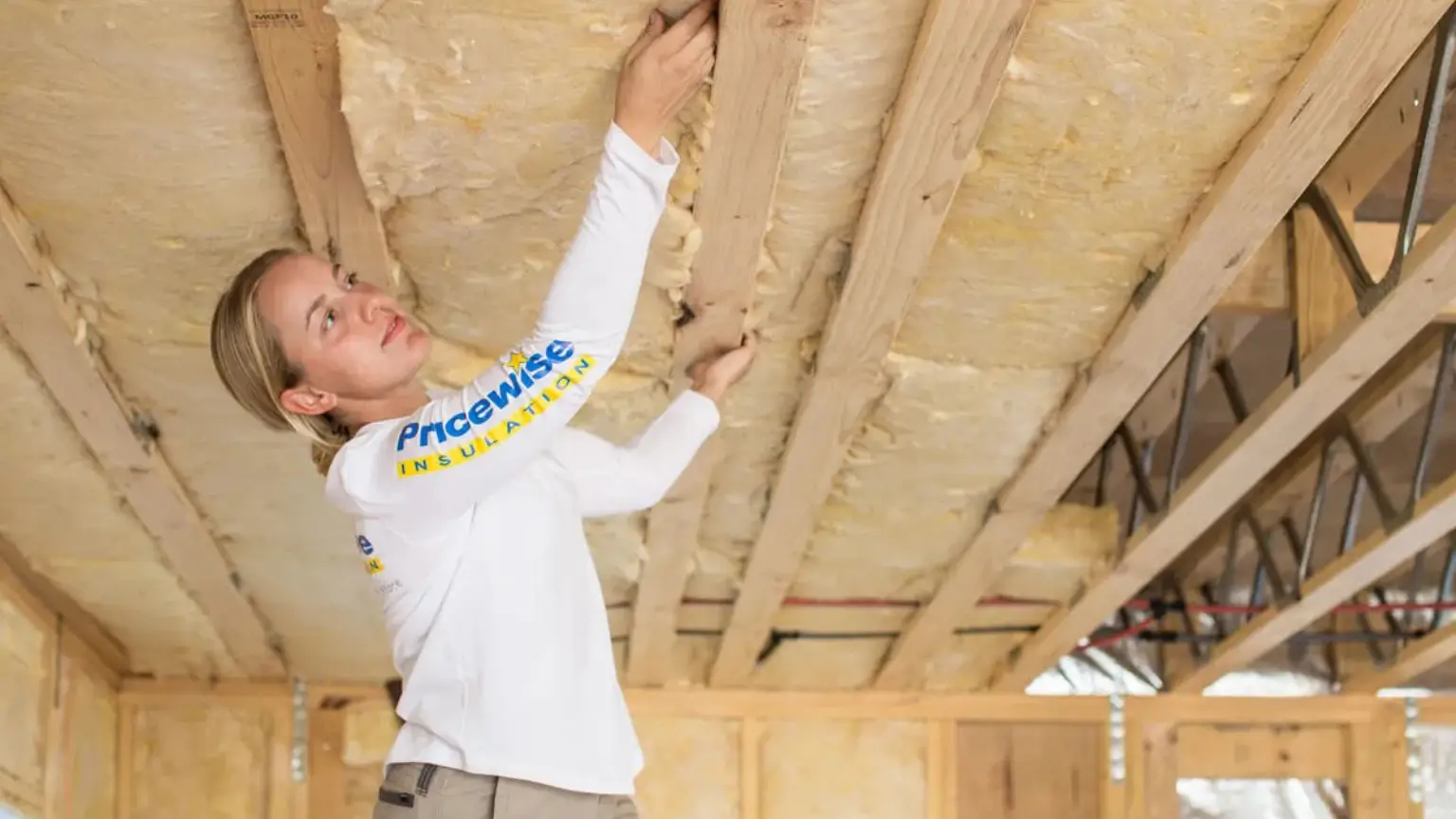
One of the most common mistakes in batt insulation installation is having gaps between insulation and framing. Small gaps will let heat out in winter or let heat in and make the system less comfortable and cost more to operate.
Why it is significant: Gaps form thermal bridges through which heat can travel around the insulation itself.
How to avoid it:
- Cut your insulation only after measuring every cavity precisely.
- Cut using a utility knife and a straightedge for neat, precise edges.
- Fill insulation tightly around studs, joists, and obstacles without compressing the insulation.
Mistake 2: Compression of Insulation
Batt insulation contains air pockets in its fibers to prevent heat from passing through. Compressing it eliminates most of its insulating value, or R-value.
Why it matters: Compressed batt reduces air spaces to minimize resistance to heat flow.
Best practices:
- Don’t pack insulation into spaces that are too small.
- Select the correct thickness for the space you are insulating.
- Trim the batt to fit around wires or pipes when they are in your way instead of compressing it.
Mistake 3: Air Sealing omission
Individuals confuse air sealing and insulation, but each has a different purpose. Insulation stops the flow of heat, while air sealing prevents airflow. Failure to perform air sealing before you install batt insulation exposes you to leaks and heat loss.
Why it matters: Gapping prevents conditioned air from escaping and unconditioned air from entering, which defeats your insulation’s effectiveness.
How to avoid it:
- Seal penetrations in windows, doors, electrical boxes, and plumbing with caulk or spray foam prior to insulating.
- Apply weatherstripping to movable parts such as attic hatches.
Mistake 4: Installation Over Moisture or Mold
The installation of batt insulation over damp or moldy surfaces retains moisture, the optimum environment for additional mold growth, wood decay, and health issues.
Why it matters: Excessive humidity can reduce the effectiveness of insulation and cause cracks in your home’s structure.
How to avoid it:
- Fix and renew leaks prior to insulating.
- Use a moisture meter to verify surfaces are dry.
- Remediate mold issues at once, with successful treatment prior to proceeding.
Mistake 5: Blocking Ventilation Paths
Vent attic spaces and cavities in walls to avoid moisture accumulation and maintain healthy indoor conditions. Batt insulation, vents, or soffit vents must never block it.
Why it matters: Inadequate ventilation may cause condensation, mold, and lower insulation efficiency.
Prevention:
- Leave vent-free and open by mechanical equipment that must be ventilated.
- Install vent chutes or baffles to allow airflow from soffits to the roof ridge.
More Successful Batt Insulation Installation Tips
1. Protective Equipment
Fiberglass batts will burn your skin, burn your eyes, and cause lung issues. Install insulation with gloves, safety glasses, and a dust mask.
2. Proper Thickness of Insulation
Your batt’s R-value must be compatible with your area’s insulation recommendation rating. Insulation that is not sufficiently thick, when installed, will not conserve enough energy.
3. Understand When to Have a Professional Do It
Problem spaces, complex spaces, or installs that entail addressing present dampness problems are best left to experienced installers such as Attic Fanatics. Professional installation saves you money from expensive errors and ensures maximum efficiency.
Conclusion
Avoiding the most prevalent batt insulation mistakes, such as leaving openings uncovered, compressing the material, forgetting to seal air, covering it up over water, and blocking ventilation, can be a monumental help in making your home cozier and more efficient. With good preparation, correct measurement, and a follow-through on best methods, your insulation will operate at its best for many years to come. For the pros, contact Attic Fanatics for professional installation and consultation. Once and right, we’ll do it, saving you money and keeping your home comfortable year-round.