🚫 Blowing New Insulation Over Old Mold is a Mistake
Mold is one of those problems homeowners hope to avoid finding in their attic.
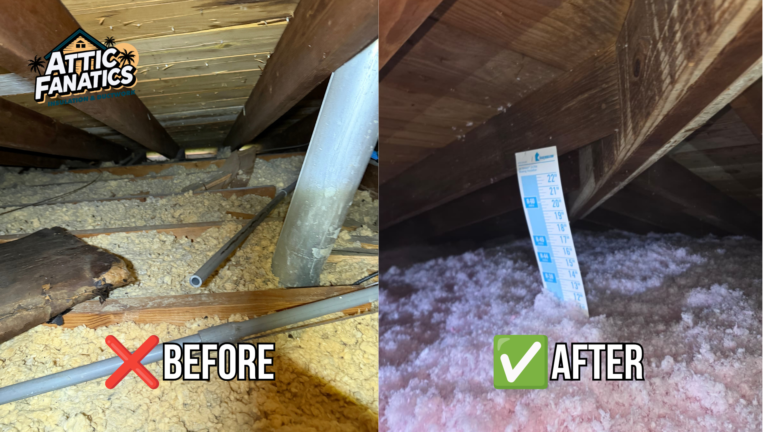
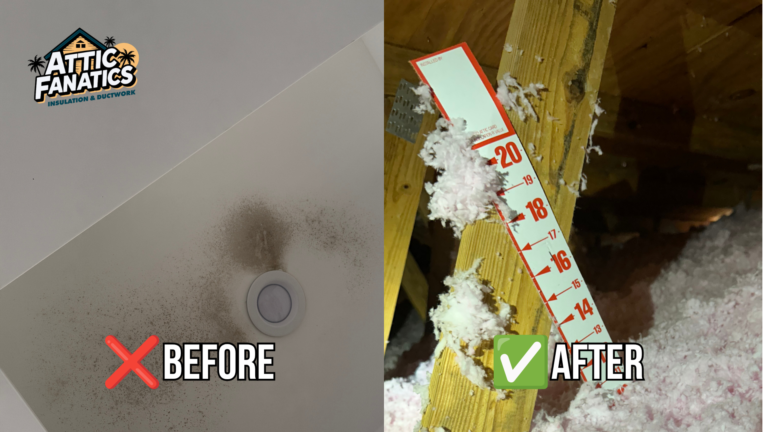
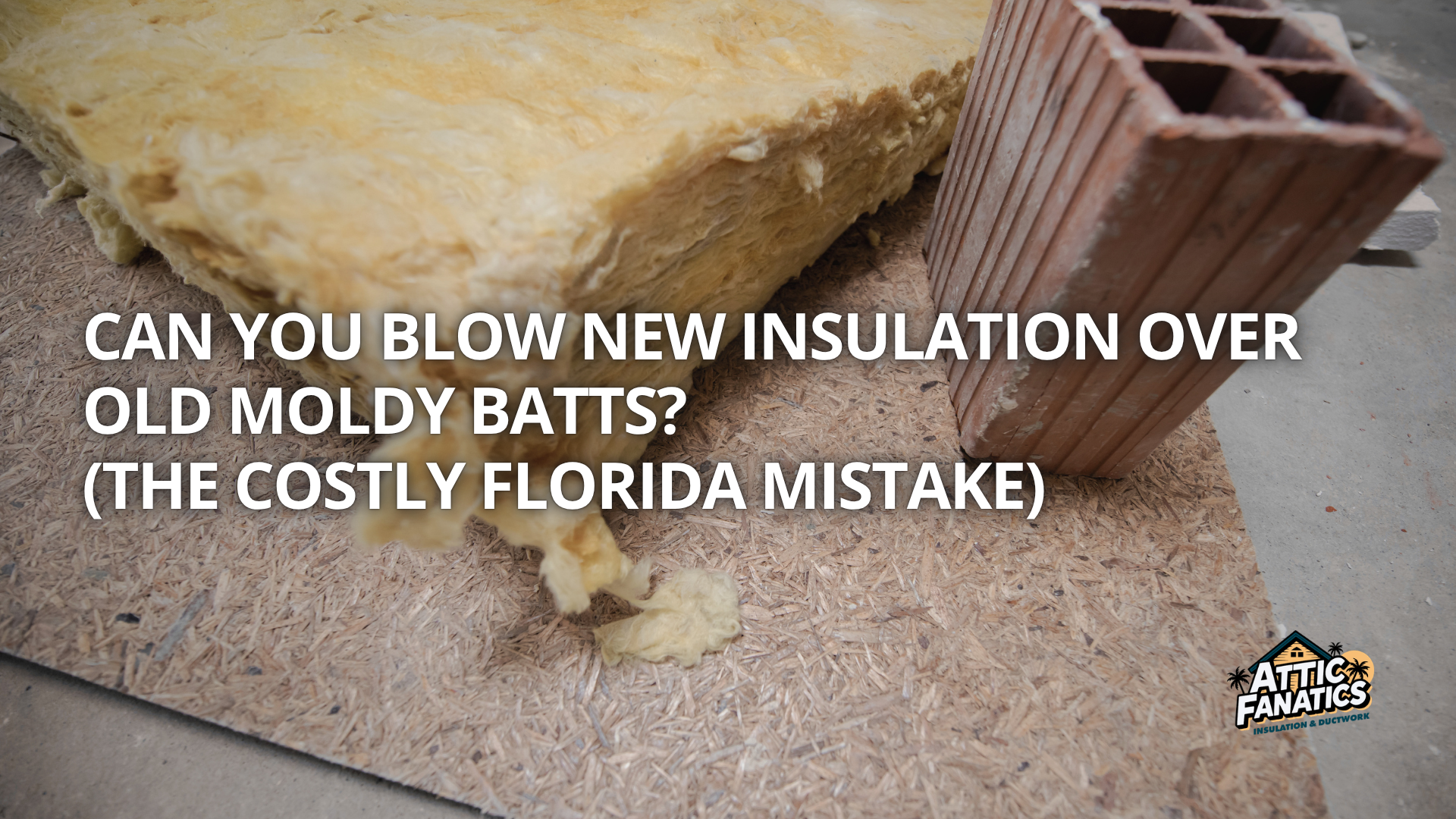
Unfortunately, when it is discovered, some people look for the quickest solution rather than the right one. One of the most common mistakes is simply adding new insulation on top of contaminated material, assuming the issue will disappear once it is covered. The reality is quite different. Mold does not stop growing because it is hidden. In fact, covering contaminated insulation can make the problem harder to detect, more expensive to repair, and potentially more harmful to indoor air quality. Before any new insulation is installed, the underlying cause of mold growth must be identified and addressed properly.
❓ Why Mold Develops in Attic Insulation
Mold requires moisture to grow. When excessive moisture remains present in an attic, insulation often becomes one of the first materials affected.
🏠 Roof Leaks
Even a small roof leak can introduce enough moisture to support mold growth. Water may travel along decking, rafters, or framing before reaching insulation, making the affected area much larger than expected. Because the damage often remains hidden, contamination can continue spreading long before homeowners notice visible signs.
☀️ Humidity Problems
Florida’s climate creates naturally humid conditions throughout much of the year. When excess moisture becomes trapped in the attic, it can accumulate within insulation and surrounding materials. Over time, prolonged humidity exposure creates an environment where microbial growth can thrive even without a major leak.
🌀 Ventilation Failures
Proper airflow helps remove heat and moisture from the attic. When ventilation systems are inadequate or blocked, moisture levels can rise and remain elevated for extended periods. Poor ventilation is a common contributor to moldy attic insulation and recurring moisture-related issues.
⚠️ Why Covering Mold Does Not Solve the Problem
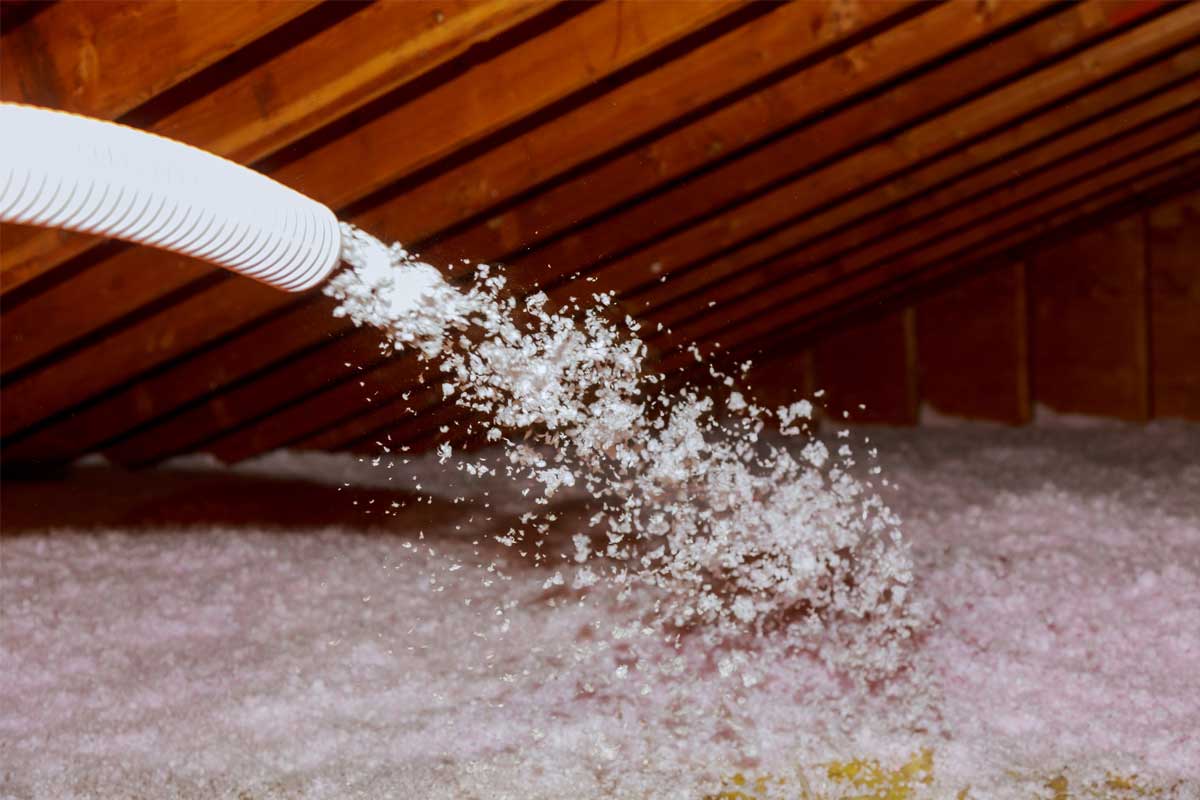
Adding new insulation over contaminated material may seem like a cost-saving shortcut, but it often creates larger problems down the road.
🍄 Continued Mold Growth
Mold does not require visibility to survive. If moisture remains present, growth can continue beneath the new insulation layer. Covering the affected area simply hides the problem while allowing contamination to spread further.
🏚️ Hidden Structural Damage
Mold often develops alongside moisture damage. Wood framing, roof decking, and other structural components may already be affected before the problem becomes visible. When contaminated insulation is covered instead of removed, these issues can remain hidden until repairs become far more extensive.
💨 Indoor Air Quality Concerns
Mold spores can affect air quality throughout the home. Even when contamination is hidden beneath a fresh layer of insulation, microscopic particles may still circulate through the living environment. This can be especially concerning for individuals with allergies, asthma, or respiratory sensitivities.
🍄 Ongoing mold growth beneath new insulation
💦 Hidden moisture damage to structural materials
💨 Reduced indoor air quality
🦨 Persistent odors that return over time
💸 More expensive repairs later These risks are why simply covering contaminated insulation is rarely considered a proper solution.
🛠️ Proper Mold Remediation Before Re-Insulating
The correct approach focuses on eliminating both the contamination and the moisture source that allowed it to develop.
🔍 Mold Assessment
The first step is determining the extent of contamination. A professional inspection helps identify affected areas, moisture sources, and whether structural materials have been impacted. This evaluation provides a clearer understanding of what needs to be addressed before replacement begins.
🗑️ Insulation Removal
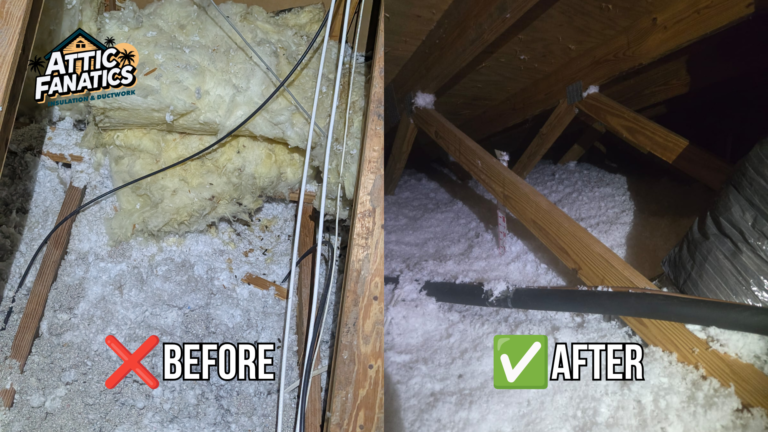
When insulation is contaminated, removal is often necessary. Simply drying the material rarely eliminates mold once it has become established. Proper insulation removal ensures affected material is taken out rather than concealed beneath new layers.
🧼 Sanitizing and Drying
After contaminated material has been removed, the attic should be thoroughly cleaned and treated. Any remaining moisture must also be addressed before new insulation is installed. This stage is essential for successful re insulating after mold situations because it helps prevent the problem from returning.
🦉 How Attic Fanatics Handles Mold-Contaminated Attics
Attic Fanatics approaches mold remediation by addressing the root cause before installing replacement insulation. This includes evaluating moisture sources, removing contaminated materials, sanitizing affected areas, and ensuring the space is dry before new insulation is added. By focusing on both cleanup and prevention, the process helps reduce the likelihood of recurring contamination and supports healthier long-term attic performance.