🌴 When to Replace Blown-In Fiberglass in Florida
Attic insulation is not something most homeowners think about until comfort starts changing. Rooms become harder to cool, energy bills climb unexpectedly, and the home no longer feels as comfortable as it once did. In many cases, the issue is not the HVAC system—it is aging insulation that has gradually lost effectiveness over time. While blown-in fiberglass is designed to last for many years, Florida’s combination of heat, humidity, and environmental exposure can accelerate performance loss. Knowing when replacement is necessary can help homeowners avoid ongoing efficiency problems and unnecessary energy expenses.
⏳ Expected Lifespan of Blown-In Fiberglass Insulation
The lifespan of insulation depends on both the material itself and the conditions it is exposed to throughout its life.
🏭 Manufacturer Expectations
Most manufacturers design fiberglass insulation products to remain effective for several decades under ideal conditions. When properly installed and protected from moisture or contamination, performance can remain stable for many years. However, laboratory expectations do not always reflect real-world conditions.
🏖️ Florida Climate Realities
Florida presents unique challenges. High humidity levels, extreme attic temperatures, seasonal storms, and moisture exposure can place additional stress on insulation systems. Over time, these environmental conditions may reduce effectiveness even when the material itself appears intact.
📉 Factors That Shorten Lifespan
Several issues can accelerate deterioration and reduce thermal performance:
💦 Moisture intrusion from leaks or humidity
🌀 Air movement that disturbs insulation coverage
🐀 Pest activity within insulated areas
📉 Physical compression over time
🏗️ Poor original installation These factors often have a greater impact on performance than age alone.
⚠️ Signs Insulation Is No Longer Performing
Older insulation does not always fail dramatically. Performance often declines gradually, making problems harder to notice.
📉 Settling and Compression
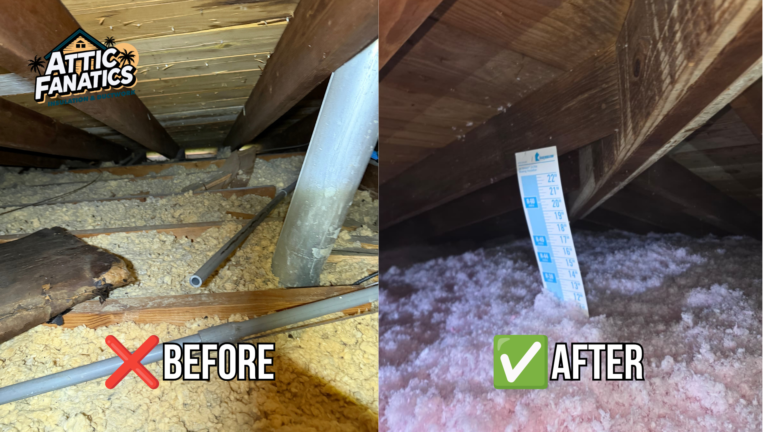
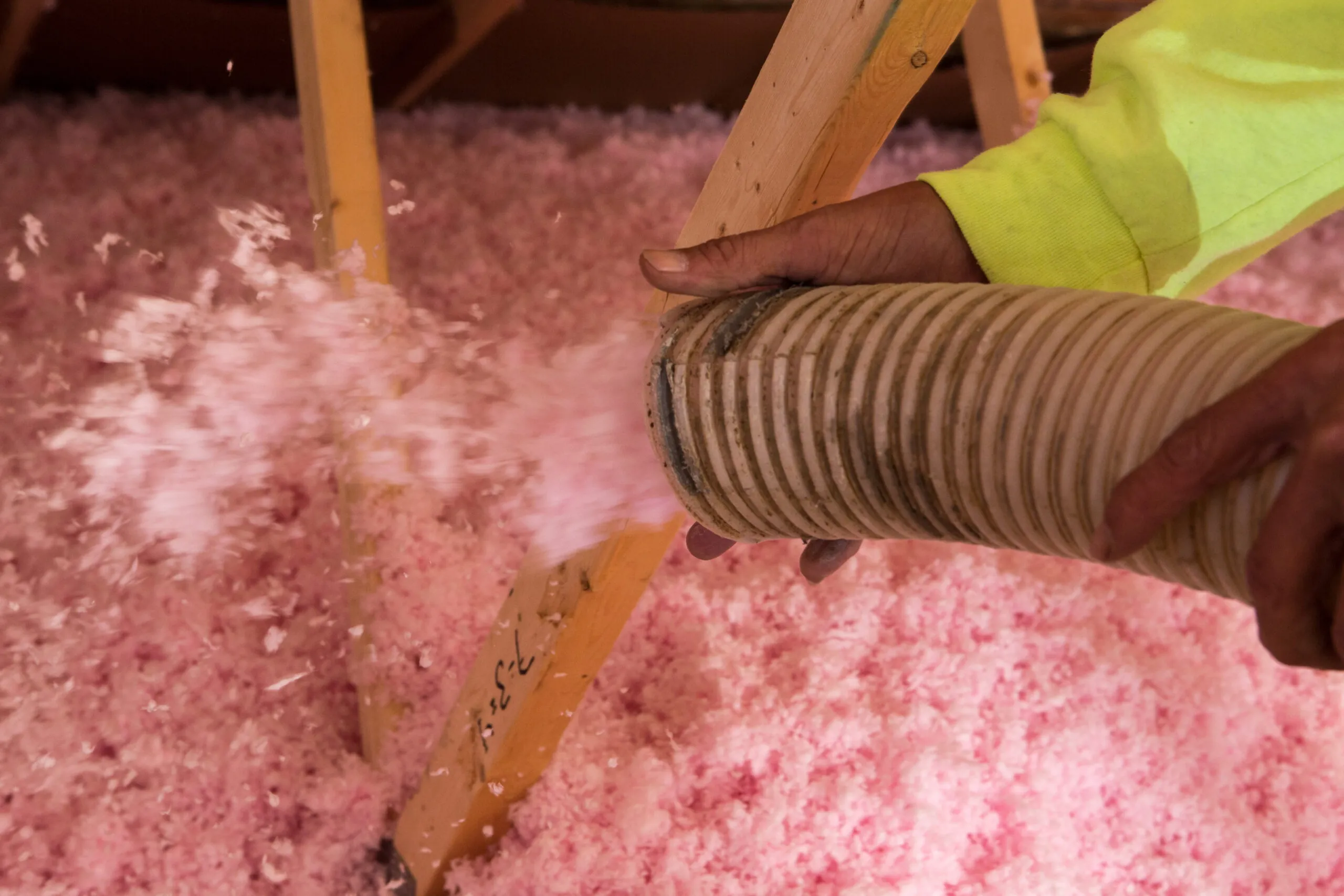
One of the most common issues involves settling. As material compresses over time, it loses thickness and coverage. Reduced depth means less resistance to heat transfer, allowing more heat to enter the home from above.
💧 Moisture Exposure
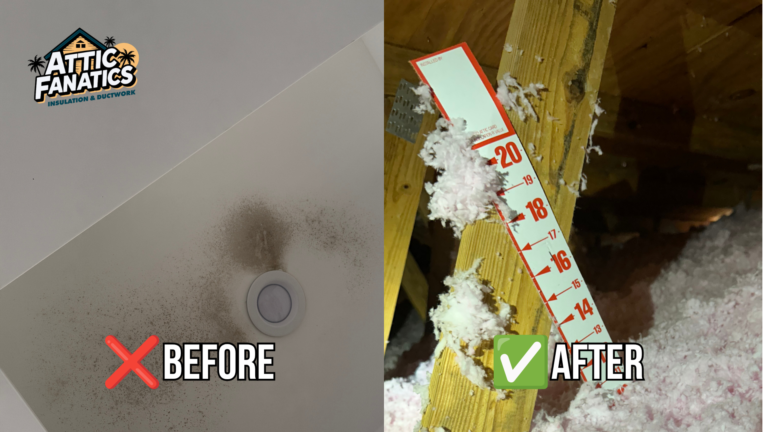
Water damage is one of the fastest ways to reduce insulation effectiveness. Even after drying, moisture can leave lasting performance issues. This is especially important when evaluating old attic insulation that has experienced roof leaks, condensation, or prolonged humidity exposure.
☣️ Pest Contamination
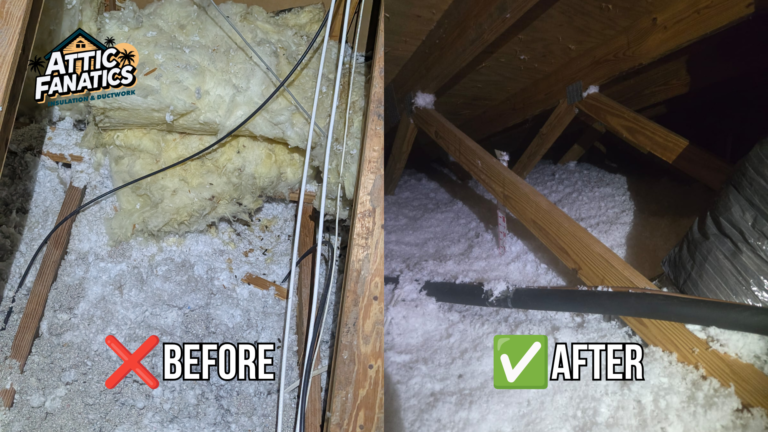
Rodents and other pests frequently disturb insulation while creating nests or tunnels. Beyond physical damage, contamination can create sanitation concerns that make replacement the better option. In some cases, affected material may no longer be suitable for continued use even if coverage remains intact.
🛠️ Repair, Top-Off, or Full Replacement?
Not every insulation problem requires complete replacement. The appropriate solution depends on the condition of the material and the extent of the issues present.
➕ Situations Where Adding Insulation Works
If existing material remains clean, dry, and structurally sound, increasing insulation depth may improve performance without full removal. A top-off approach is often appropriate when the primary issue is insufficient coverage rather than deterioration.
🗑️ Cases Requiring Complete Removal
Replacement is often recommended when insulation has been contaminated, saturated, heavily compressed, or damaged by pests. Homeowners considering whether to replace old insulation should also evaluate whether hidden contamination or moisture issues are affecting overall performance.
💵 Cost Versus Performance Considerations
While adding new material can cost less initially, replacement may provide better long-term value when the existing insulation has already reached the end of its useful life. Retaining ineffective material often limits the benefits of any upgrades installed on top of it.
🔍 How to Evaluate Aging Insulation
A proper assessment looks beyond appearance alone. Coverage depth, moisture exposure, contamination, airflow issues, and overall performance all influence whether replacement is necessary. Professionals often use thermal imaging, moisture detection equipment, and physical inspection to determine whether the existing material still performs effectively. Searches for attic insulation age concerns frequently begin after homeowners notice rising utility costs or inconsistent indoor temperatures. These symptoms often indicate that a closer evaluation is warranted.
🦉 How Attic Fanatics Evaluates Aging Insulation
Attic Fanatics evaluates insulation systems by examining condition, coverage levels, moisture exposure, and contamination risks. Rather than focusing solely on age, the assessment looks at how effectively the material continues to perform under current conditions. This approach helps determine whether adding material, targeted repairs, or full replacement will provide the best long-term outcome.