📈 Why Settled Blown-In Insulation Spikes Power Bills
Many homeowners are surprised when energy bills start climbing even though their HVAC system appears to be working normally. The problem is often blamed on rising utility rates or aging equipment, but another factor is frequently overlooked: insulation settling. Over time, blown-in insulation can lose volume and coverage, creating gaps that allow heat to move more easily through the home’s upper envelope. In Florida’s demanding climate, even small reductions in insulation performance can significantly affect indoor comfort and cooling costs. What worked effectively years ago may no longer provide the same level of thermal protection today.
❓ What Causes Blown-In Insulation to Settle?
Loose-fill insulation is designed to create a thick thermal barrier, but several factors can gradually reduce its depth and effectiveness.
⏳ Age-Related Compression
As insulation ages, the material naturally compresses under its own weight. This process happens gradually over many years and can reduce overall coverage. While some settling is expected, excessive compression can leave areas with insufficient protection against heat transfer.
☀️ Florida Climate Effects
Florida’s combination of heat, humidity, and seasonal weather extremes can accelerate performance loss. Temperature fluctuations and moisture exposure may affect how insulation behaves over time. These environmental conditions can contribute to faster settling compared to homes located in milder climates.
🏗️ Installation Factors
The quality of the original installation also plays a role. If material was not installed at the correct depth or distributed evenly, settling may become noticeable sooner. Even minor inconsistencies can create weak points that affect overall efficiency as the material ages.
📉 How Settling Impacts Energy Efficiency
A reduction in insulation depth may not seem significant, but it can have a measurable impact on home performance.
🌡️ Reduced R-Value
R-value measures a material’s ability to resist heat transfer. As insulation settles and becomes thinner, its thermal resistance decreases. With less protection between the living space and the attic, heat enters the home more easily, making temperature control more difficult.
🧱 Uneven Thermal Coverage
Settling rarely occurs perfectly evenly. Some sections may retain adequate coverage while others become thin or exposed. These inconsistencies create vulnerable areas where heat transfer increases dramatically, reducing overall efficiency throughout the home.
⚙️ Increased HVAC Workload
When insulation loses effectiveness, cooling systems must operate longer to maintain comfortable temperatures. The HVAC system works harder to compensate for the additional heat entering the home. This increased workload often contributes to high energy bills and can place additional strain on HVAC equipment over time.
⚠️ Signs Your Insulation Has Settled Too Much
Many homeowners don’t realize their insulation has settled until noticeable symptoms begin affecting comfort and utility costs.
💸 Rising Utility Bills
A steady increase in cooling expenses without a major change in energy usage is often one of the earliest warning signs. If the HVAC system is functioning properly but costs continue increasing, insulation performance should be evaluated.
🔥 Hot Spots in the Home
Rooms that feel warmer than others may indicate uneven thermal protection above the ceiling. These hot spots often appear in areas where insulation depth has decreased significantly over time.
🔍 Visible Low Insulation Levels
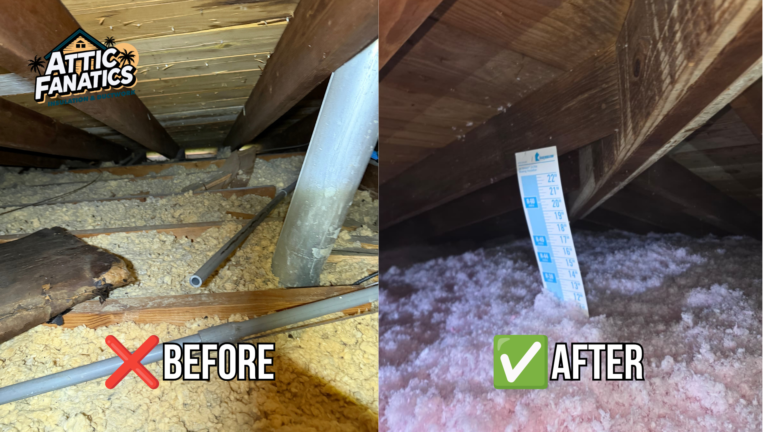
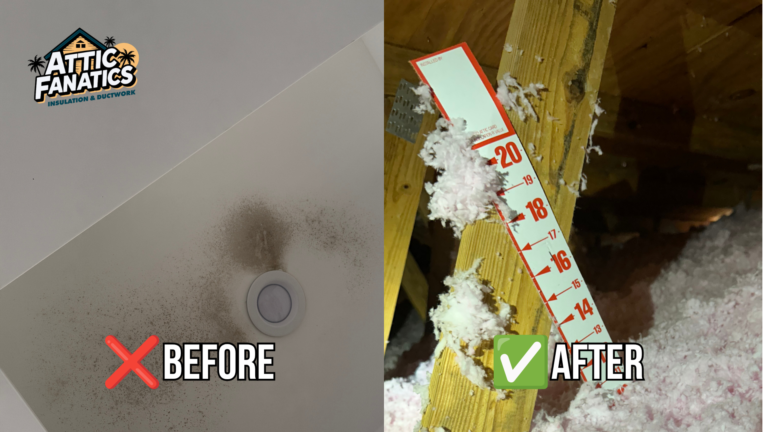
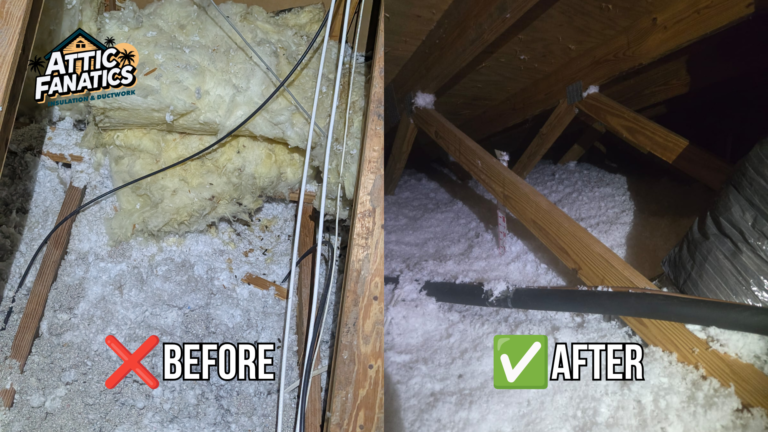
A visual inspection can sometimes reveal obvious settling. Material that once filled the attic floor evenly may now appear lower, thinner, or uneven. In older homes, this can be a strong indicator that an insulation upgrade is worth considering.
💵 Increasing cooling costs despite normal HVAC operation
🌡️ Uneven temperatures between rooms
🌇 Areas that feel warmer during the afternoon
📉 Noticeably reduced insulation depth
⏳ Aging insulation that has been in place for many years These signs often suggest that thermal performance is no longer meeting the home’s needs.
🛠️ Solutions for Restoring Attic Performance
The right solution depends on the condition of the existing insulation and the extent of the settling. In many cases, additional blow in insulation can be added to restore proper depth and improve thermal performance. This process, often called a “top-off,” helps rebuild the protective barrier without requiring complete replacement. However, if the existing material is contaminated, moisture-damaged, or severely compacted, more extensive work may be necessary. Some homes may benefit from fiberglass insulation replacement when the original material has reached the end of its useful life. Addressing air leaks and ventilation issues alongside insulation improvements can further reduce energy loss and improve overall efficiency.
🦉 How Attic Fanatics Evaluates Insulation Depth
Attic Fanatics evaluates insulation performance by measuring depth, identifying uneven coverage, and assessing overall condition. Their inspections help determine whether the existing material can be supplemented or whether more extensive upgrades are needed. By examining thermal performance as a complete system, they help homeowners identify the causes of rising cooling costs and improve long-term energy efficiency.
❓Frequently Asked Questions
❓Does blown-in insulation settle over time?
❓How much settling is normal?
❓Can insulation be topped off?
❓When is replacement necessary?