🐀 How Rats and Raccoons Ruin Blown-In Insulation
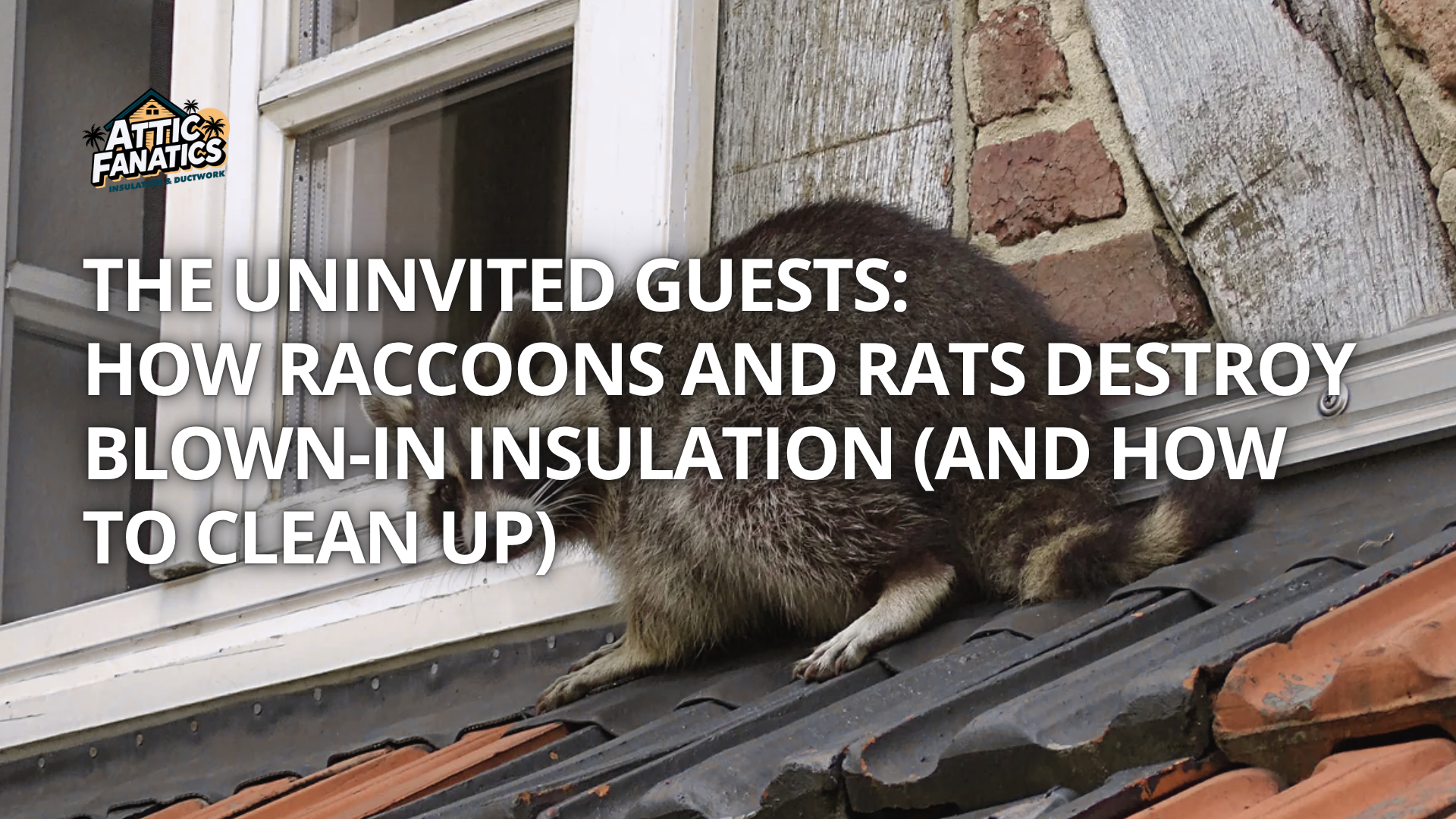
Most homeowners think of insulation as a protective barrier that helps regulate indoor temperatures. Unfortunately, rodents and wildlife often see it very differently. To rats and raccoons, an attic provides warmth, shelter, and protection from predators, making it an ideal nesting environment. The problem goes far beyond the animals themselves. Once pests move into an attic, they can damage insulation, contaminate large areas of the home, and create conditions that affect both energy efficiency and indoor air quality. In many cases, simply removing the animals is not enough. The damage left behind often requires extensive cleanup before new insulation can be installed.
❓ Why Attic Pests Target Insulation
Attics provide many of the conditions that wildlife seeks when looking for shelter. Insulation often becomes one of the first materials affected after an infestation begins.
🪺 Nesting Behavior
Rats, mice, and raccoons frequently tear, move, and compress insulation to create nesting areas. Soft insulation materials provide warmth and protection, making them attractive nesting sites. Over time, these activities reduce the insulation’s ability to maintain consistent indoor temperatures.
🚪 Access Points Into Attics
Small gaps around rooflines, vents, soffits, and utility penetrations often provide entry points for wildlife. Rats can squeeze through surprisingly small openings, while raccoons may enlarge existing gaps to gain access. Once entry points are established, repeated activity can allow infestations to grow quickly.
🍂 Conditions That Attract Wildlife
Food sources, water availability, nearby trees, and sheltered spaces all increase the likelihood of pest activity. Homes with untreated roof openings or damaged vent covers may be particularly vulnerable. Warm attic environments create ideal conditions for animals seeking protection during colder months or breeding seasons.
🦝 Damage Caused by Rats and Raccoons
The physical destruction caused by wildlife often extends beyond the insulation itself.
📉 Compressed Insulation
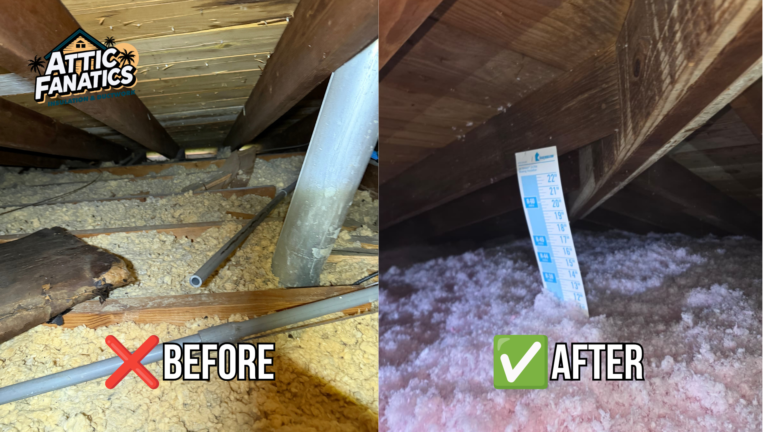
When animals move through insulation repeatedly, they flatten and compress the material. Once compressed, insulation loses much of its ability to trap air and resist heat transfer. This reduction in performance can contribute to higher energy costs and uneven indoor temperatures.
☣️ Contamination From Droppings and Urine
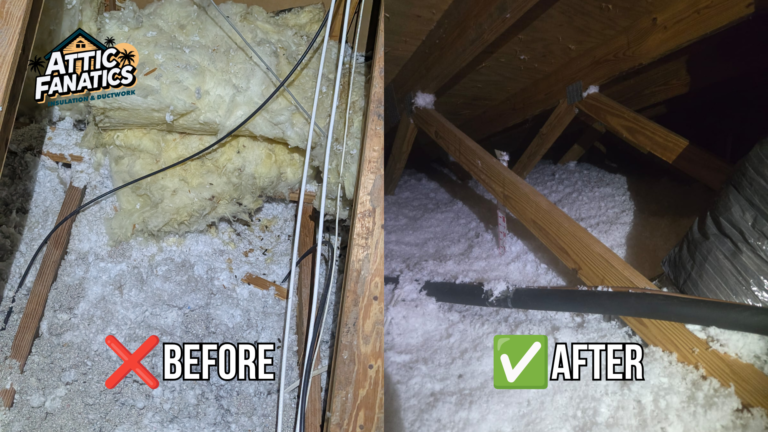
One of the most serious consequences of infestation is contamination. Animal waste can spread throughout large portions of the attic, affecting insulation far beyond the nesting area. In many rat damaged insulation situations, contamination is widespread enough that removal becomes the safest option.
⚡ Damage to Wiring and Structures
Rodents frequently chew on electrical wiring, wood framing, ductwork, and other materials. This behavior can create safety hazards and increase repair costs significantly. Structural damage may remain hidden until a detailed inspection is performed.
🧽 Torn insulation materials
📉 Flattened thermal barriers
💩 Droppings and urine contamination
🔌 Damaged wiring and ductwork
🏚️ Structural deterioration around nesting areas These issues often affect far more than the immediate area where animals are found.
💨 Health and Air Quality Concerns
Pest infestations create concerns that extend beyond physical property damage.
🦠 Bacteria and Allergens
Animal waste can contain bacteria, allergens, and other contaminants that become airborne when disturbed. These particles may circulate throughout the home and affect indoor air quality. This is one reason contaminated attic insulation often requires removal rather than simple cleaning.
👃 Odor Issues
Urine and nesting materials can create strong odors that linger long after animals have been removed. These smells may persist unless contaminated materials are properly addressed. In some cases, odors can spread into living spaces through airflow pathways.
🍄 Mold Risks
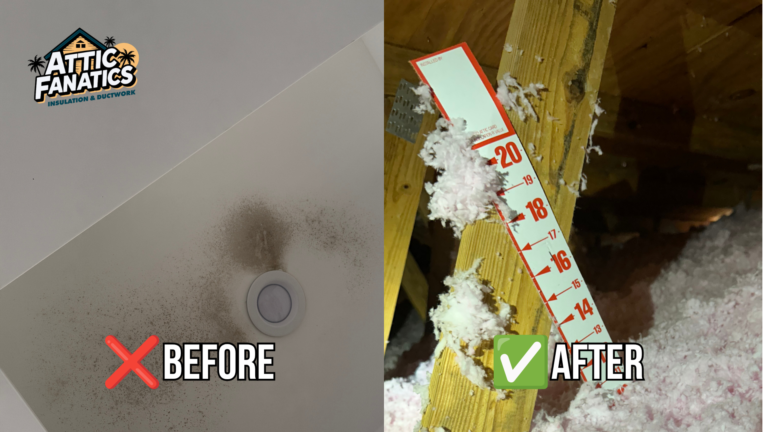
Moisture introduced through animal activity can contribute to mold development. Combined with organic nesting materials, damp conditions may create an environment favorable for microbial growth. The longer contamination remains untreated, the greater the risk of secondary problems developing.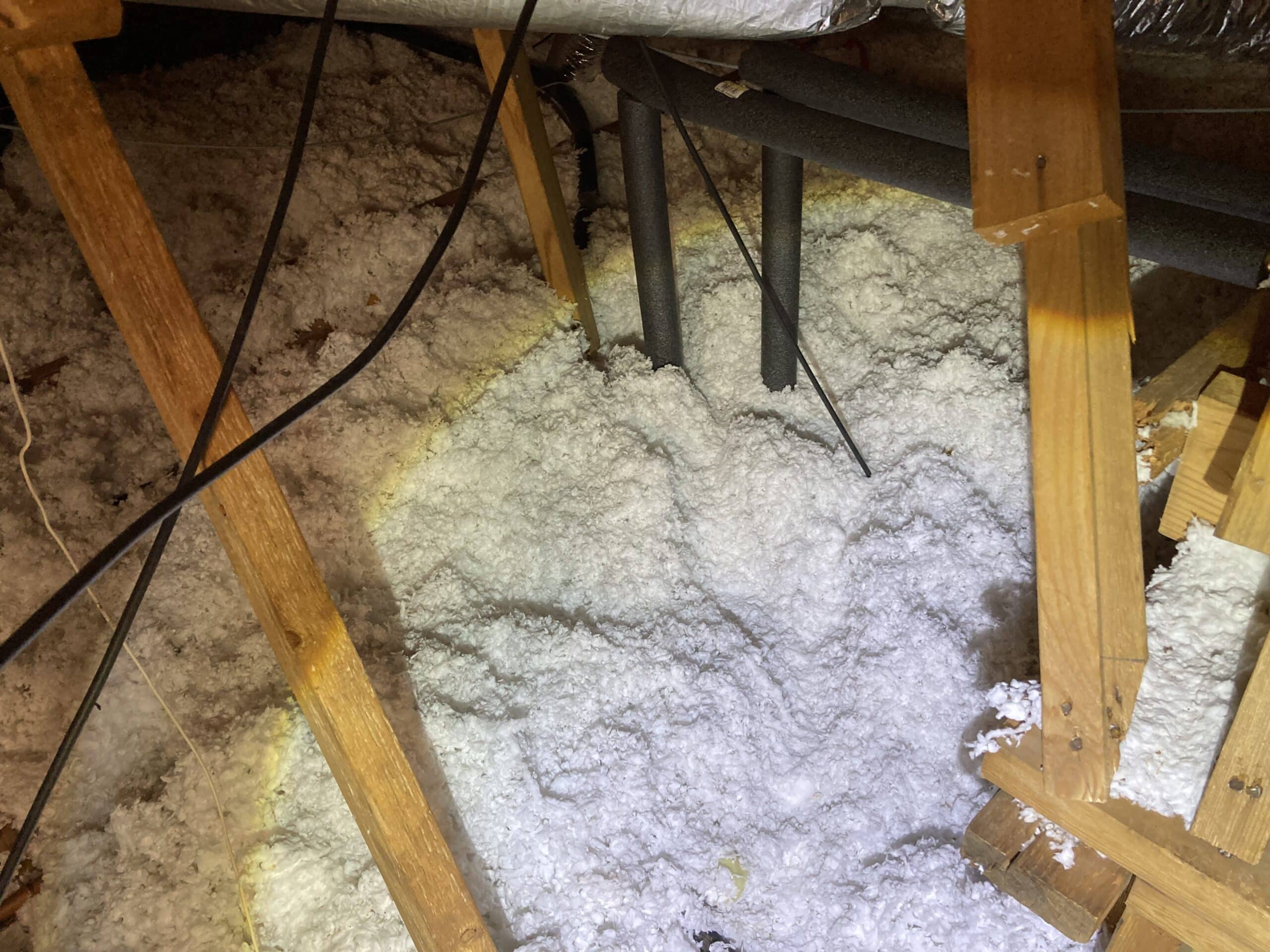
🔧 Cleanup and Insulation Replacement Process
Proper restoration typically begins with removing contaminated materials and identifying all affected areas. A professional assessment helps determine the extent of damage and whether contamination has spread beyond visible sections. The process often includes:
🗑️ Removal of damaged insulation
🚯 Disposal of contaminated materials
🧼 Surface cleaning and sanitization
🧴 Odor treatment when necessary
🧱 Sealing pest entry points
🆕 Installation of replacement insulation In rodent insulation removal projects, thorough cleanup is essential before new insulation is added. Installing new material over contaminated surfaces can allow problems to continue beneath the replacement layer.
🦉 How Attic Fanatics Restores Pest-Damaged Attics
Attic Fanatics restores pest-damaged attic spaces by addressing both contamination and the underlying causes of infestation. The process includes removing affected insulation, sanitizing exposed surfaces, identifying entry points, and preparing the space for replacement insulation. By combining cleanup, restoration, and preventative measures, the approach helps improve long-term insulation performance while reducing the likelihood of recurring pest issues.