Why Mixing Batt and Blown-In Insulation Fails 🏠
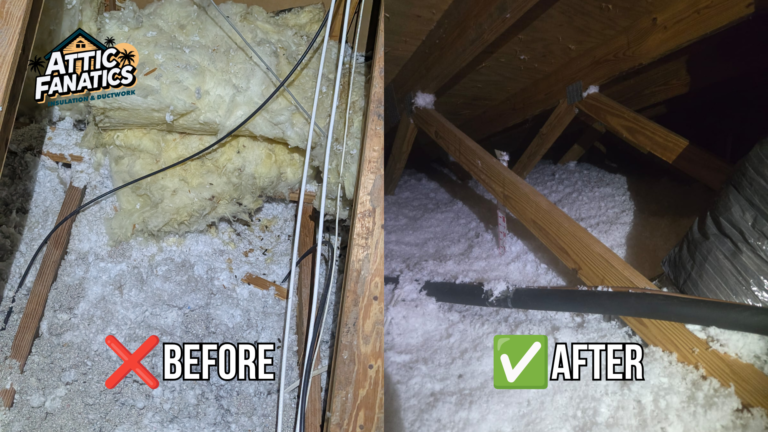
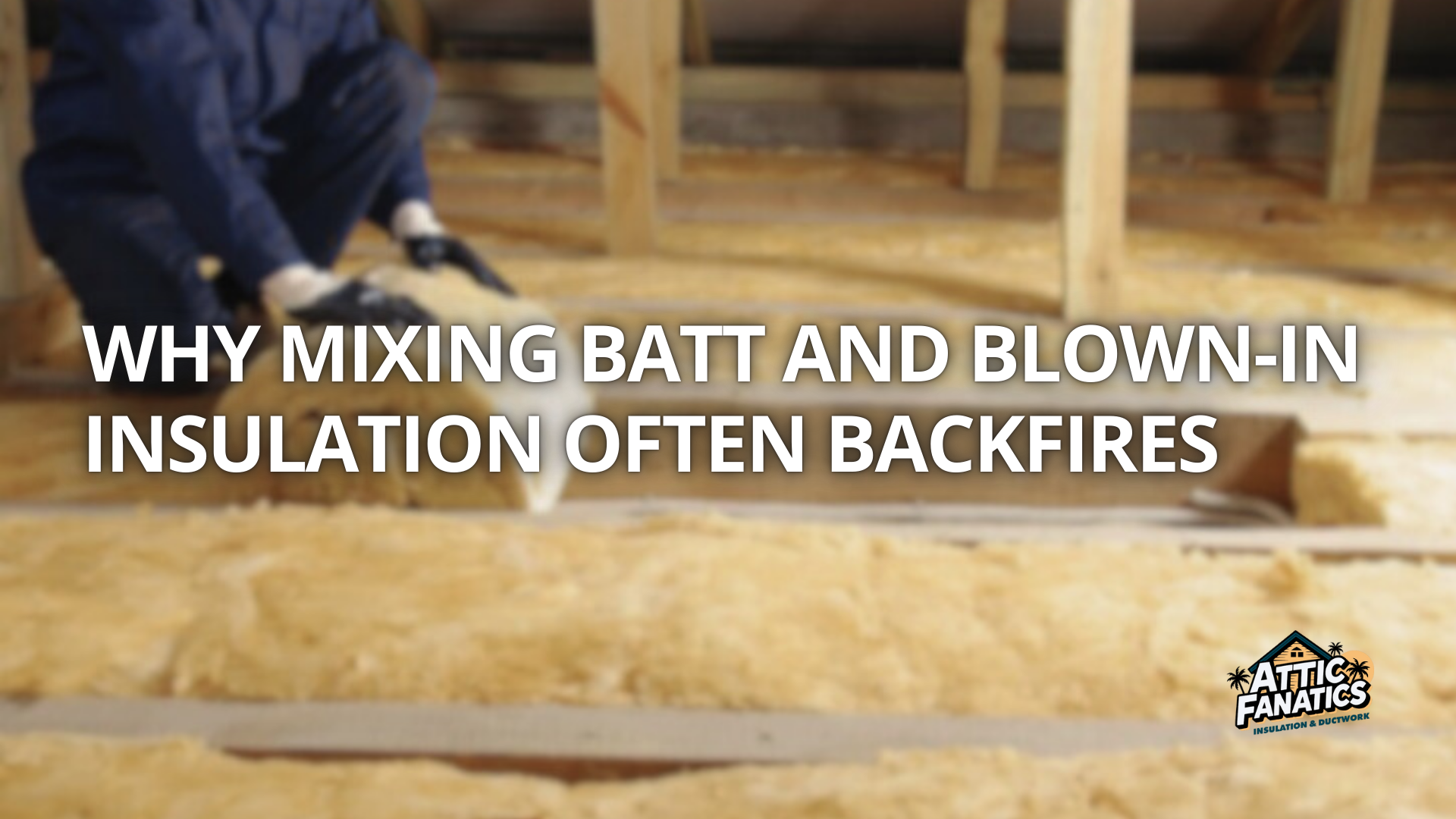
Many homeowners attempt to improve attic performance by combining insulation types, assuming that more material automatically means better results. On paper, the idea sounds logical: layer one product over another to increase resistance against heat. In practice, however, this approach often introduces new problems that reduce efficiency instead of improving it. The debate around batt vs blown-in insulation is less about which option is superior and more about how mismatched systems behave when forced to work together without proper planning.
🌡️ How Different Insulation Materials Behave Under Pressure

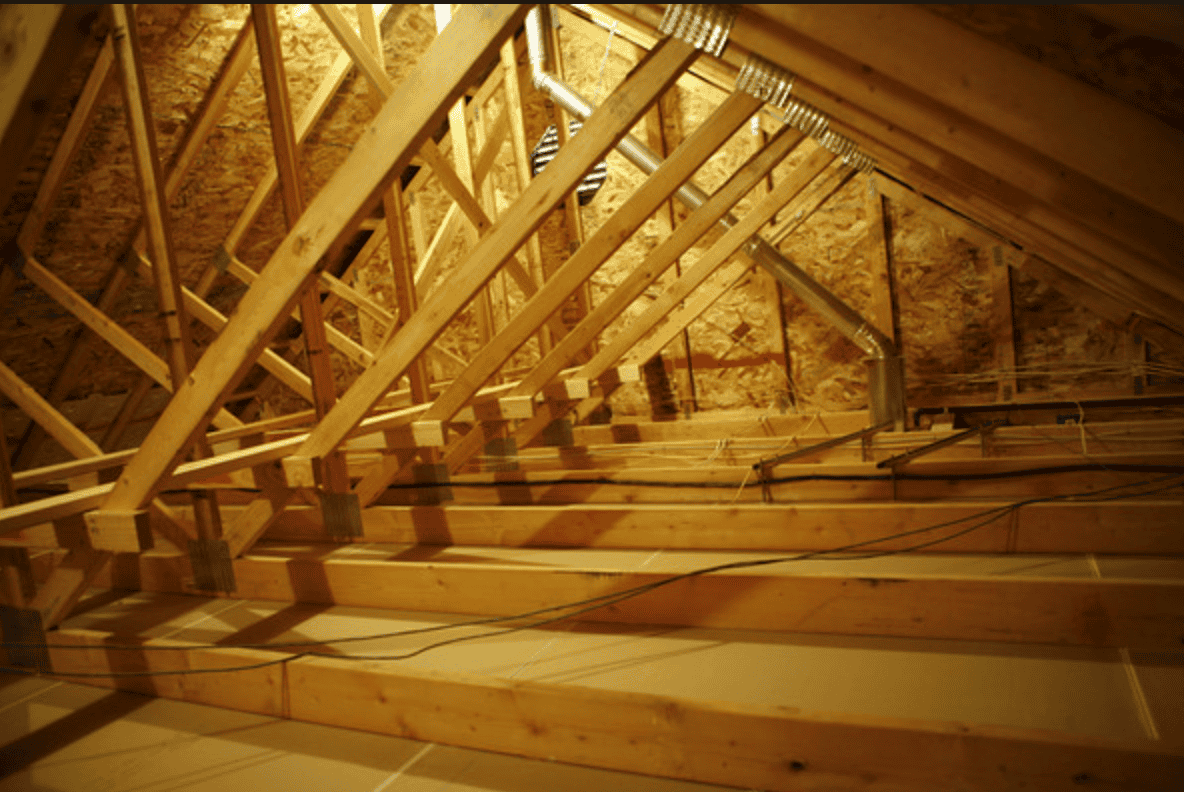
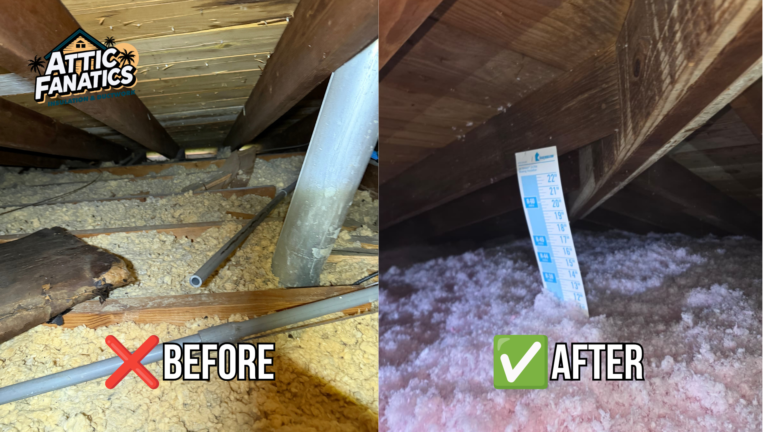
Batt insulation and loose-fill materials are engineered to perform under specific conditions. Batts rely on precise fitting between framing cavities, while blown-in products depend on consistent depth and density across open surfaces. When these systems are combined haphazardly, their physical behaviors clash. Compression alters air pockets, uneven coverage disrupts resistance values, and small voids become pathways for heat movement. Instead of forming a unified thermal barrier, the attic develops irregular zones that react differently to temperature changes throughout the day.
💨 Layering Without Strategy Creates Uneven Performance
Problems often begin with layering insulation without evaluating how air and heat already move through the attic. Batts placed beneath loose-fill material can shift, sag, or trap pockets of air that were never meant to remain stagnant. Over time, gravity and vibration cause materials to settle unevenly, exposing some areas while overloading others. These inconsistencies lead to fluctuating indoor temperatures, making rooms feel comfortable one hour and noticeably warmer the next.
🌫️ Moisture Behavior in Mixed Insulation Systems
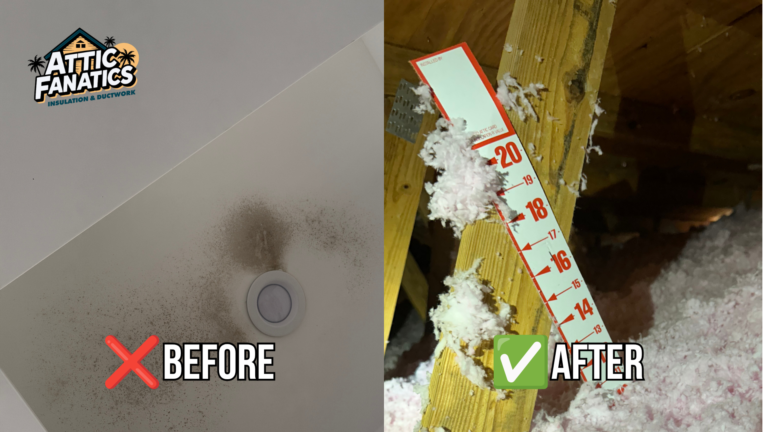
Moisture management is one of the most overlooked aspects of attic design. When incompatible materials are combined, airflow patterns change in subtle but damaging ways. Warm, humid air entering the attic can become trapped between layers, encouraging moisture buildup that cannot easily escape. This condition is particularly problematic in regions where high humidity is persistent. Damp insulation loses effectiveness, supports microbial growth, and accelerates material breakdown long before homeowners realize a problem exists.
🔬 Why Thermal Gaps Form Between Materials
Insulation works best when it maintains continuous contact with surrounding surfaces. Mixing systems increases the risk of thermal gaps, especially where different materials meet or overlap. These gaps allow heat to bypass insulation entirely, undermining the overall resistance of the attic floor. Even small separations can have an outsized impact, as heat naturally seeks the path of least resistance. Over time, these weak points become dominant contributors to energy inefficiency.
🌬️ Airflow Disruption and Attic Ventilation Challenges
Attics are designed to breathe. Balanced attic ventilation allows hot air to exit while drawing in cooler outside air, reducing thermal stress on insulation. Mixed systems often interfere with this balance by blocking intake or exhaust pathways. Blown-in material can drift into vents, while batts may restrict air channels that were intended to remain open. When ventilation is compromised, heat accumulates, placing additional strain on cooling systems and shortening the lifespan of attic components.
☀️ Climate Pressure From Florida Humidity
The effects of humidity amplify every weakness in a poorly planned insulation setup. High moisture levels interact with insulation fibers daily, altering density and reducing resistance. In mixed systems, moisture tends to linger longer because air movement is inconsistent. This prolonged exposure accelerates degradation, meaning performance declines faster than expected even in relatively new installations.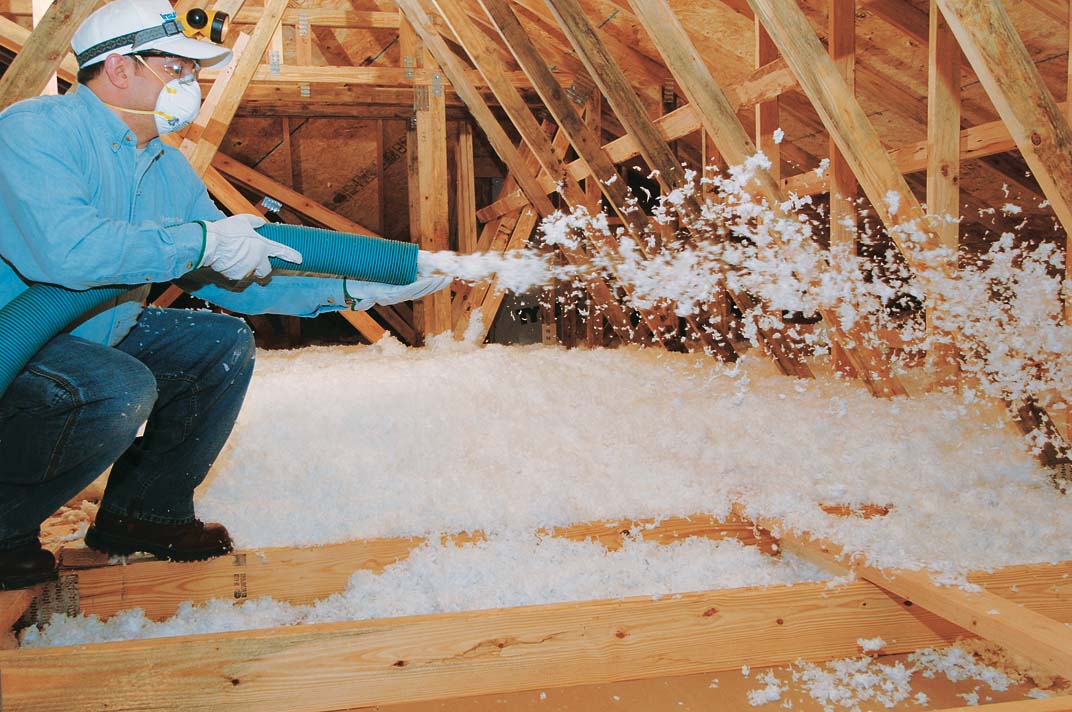
🧠 Importance of Insulation Compatibility
Effective attic performance depends on insulation compatibility with the home’s structure, climate, and airflow design. Materials must work together, not compete for space. Combining products without evaluating how they interact often leads to inefficiencies that negate the intended benefits of the upgrade. Compatibility is not about brand or type alone; it is about how materials respond collectively to heat, air, and moisture over time.