Stop the Stack Effect: How Your Attic Kills Your HVAC 


Homeowners invest thousands in high-performance cooling systems, yet many still struggle with rising energy bills and uneven indoor comfort. The issue often isn’t the equipment. It’s the attic.
In hot, humid climates, homes behave like chimneys. Warm air rises, escapes through the upper structure, and pulls more hot air inside from below. This natural force is known as the stack effect. If your attic lacks proper insulation and sealing, your HVAC system is constantly battling physics — and losing.
What the Stack Effect Really Means for Homes
 What the Stack Effect Really Means for Homes
Hot air is lighter than cool air. As temperatures climb in the Florida heat, indoor air naturally rises toward the ceiling. If gaps, cracks, or weak insulation exist overhead, that heated air escapes.
Once it leaves, negative pressure forms inside the home. This pressure pulls in outdoor air through small openings around doors, windows, and foundation gaps. The result? Your air conditioning runs longer cycles trying to maintain temperature balance.
This cycle repeats daily. The attic becomes a gateway for thermal loss, and your cooling system works overtime. Over months and years, that constant strain reduces overall system performance and shortens equipment lifespan.
Why Poor Insulation Turns Your Attic Into a Heat Engine
 Why Poor Insulation Turns Your Attic Into a Heat Engine
During summer, attic temperatures can exceed 130°F. Without proper thermal barriers, that heat radiates downward into living spaces. Your thermostat senses rising indoor temperatures and signals the AC to run again.
Many homeowners assume adding more insulation automatically solves the issue. In reality, performance depends on placement, material quality, and eliminating hidden air leaks. Even small bypasses around recessed lighting, duct penetrations, or attic hatches can undermine the entire system.
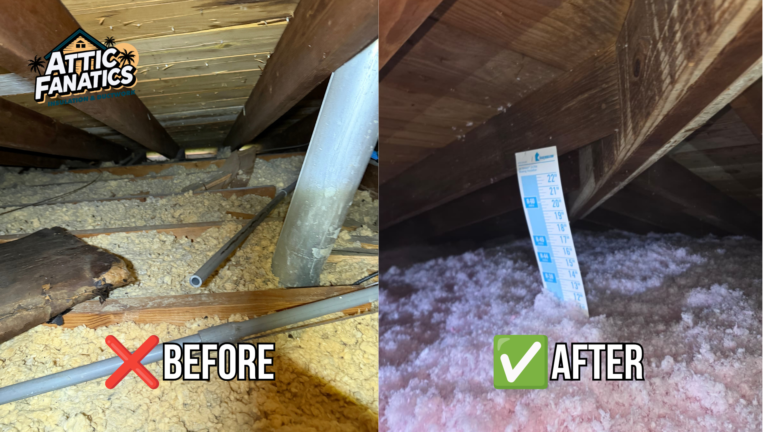
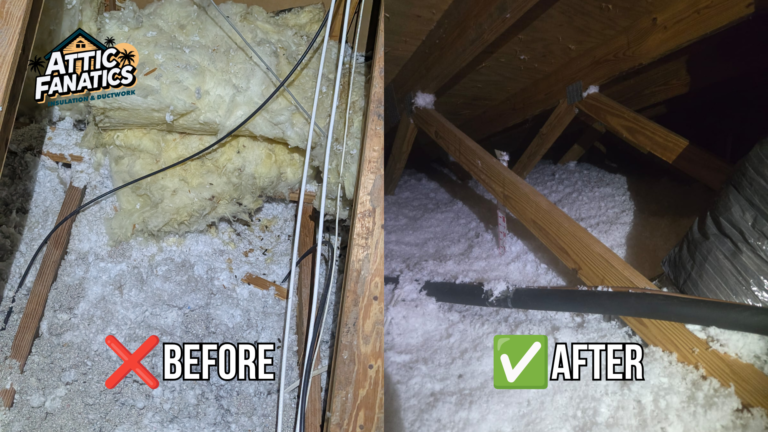
The best way to insulate attic spaces involves more than adding material. It requires a comprehensive strategy that combines insulation upgrades with precise attic sealing.
Hidden Role of Airflow and Pressure Balance
 Hidden Role of Airflow and Pressure Balance
Air movement inside a house is rarely visible, but it directly affects comfort. Improper airflow patterns allow superheated attic air to infiltrate living areas. At the same time, conditioned air escapes upward through unseen cracks.
When pressure differences intensify, cooling systems cycle more frequently. Longer runtimes increase wear on compressors, coils, and blowers. Over time, performance drops and repair costs rise.
Balanced ventilation is essential. A properly designed attic controls heat buildup while preventing unwanted exchange between indoor and outdoor environments. Without this balance, insulation alone cannot fully solve the problem.
How Rising Energy Costs Reveal a Bigger Problem
 How Rising Energy Costs Reveal a Bigger Problem
If your power bill spikes every summer despite regular HVAC maintenance, the attic may be the root cause. Cooling equipment can only operate efficiently when the building envelope supports it.
When warm air continuously escapes upward, your home never truly stabilizes. The system keeps compensating, consuming more electricity to maintain target temperatures. Over time, even high-end units struggle to keep up.
These patterns often go unnoticed until utility costs become difficult to ignore. Yet the solution typically lies above the ceiling, not inside the mechanical closet.
Diagnosing the Stack Effect Before It Worsens
 Diagnosing the Stack Effect Before It Worsens
Professional evaluation identifies where heat gain and pressure imbalance originate. Specialists examine insulation depth, coverage consistency, duct positioning, and penetrations in the attic floor.
Attic Fanatics approaches this process with a climate-specific perspective tailored to Florida structures. Their assessments focus on locating thermal gaps, detecting leakage pathways, and evaluating how attic conditions influence system workload.
By addressing both insulation integrity and structural sealing, they target the source of inefficiency rather than treating surface symptoms.
Protecting HVAC Performance Through Structural Control
 Protecting HVAC Performance Through Structural Control
Stopping upward heat escape reduces system strain immediately. When conditioned air remains inside and external heat stays out, indoor temperatures stabilize faster. Cooling cycles shorten. Equipment experiences less stress.
Over time, improved containment enhances HVAC efficiency and supports longer equipment lifespan. Homeowners notice more consistent room temperatures and reduced monthly utility expenses.
Strategic improvements also strengthen indoor air quality. Limiting uncontrolled exchange reduces dust infiltration and humidity swings, both common in coastal climates.
Creating a Barrier Against Heat
 Creating a Barrier Against Heat
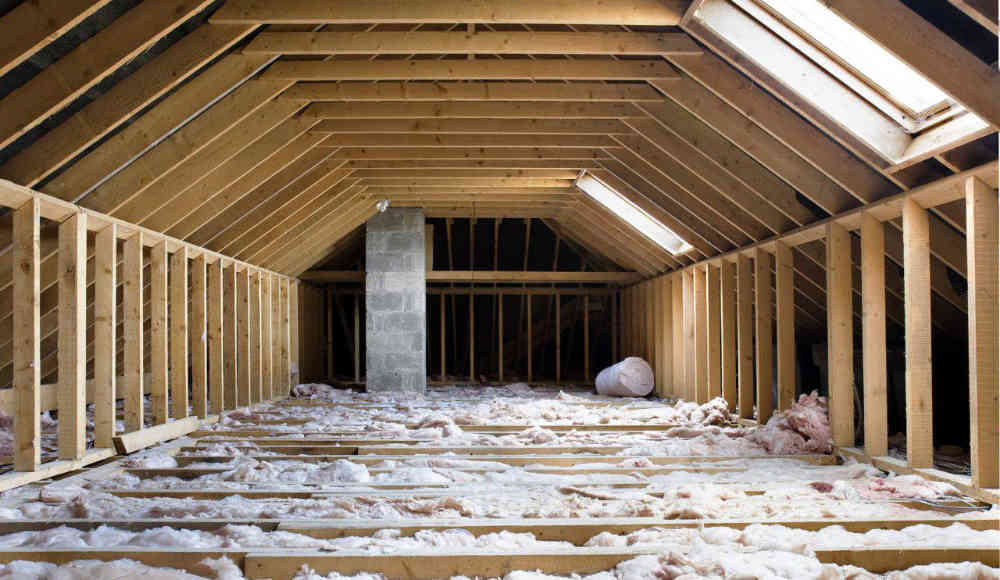
An attic should function as a shield, not a heat amplifier. Effective insulation paired with precise sealing transforms the space from a liability into a protective layer.
When upward air movement is controlled, pressure stabilizes throughout the home. Cooling systems operate as designed rather than compensating for structural weaknesses.
Homes built decades ago often lack modern thermal standards, making professional upgrades especially valuable. Climate-aware solutions ensure the building envelope works with your HVAC system instead of against it.
Restoring Balance Between Structure and Cooling System
The stack effect is invisible but powerful. Left unaddressed, it quietly increases energy bills, strains equipment, and reduces comfort. Correcting it requires expertise in insulation science, pressure dynamics, and regional climate behavior.
With proper evaluation and targeted improvements, homeowners can regain control over indoor comfort while protecting long-term system performance. In demanding climates with extreme heat and humidity, attic integrity isn’t optional, it’s foundational to sustainable cooling and long-term structural resilience.