Why South Florida Attics Trap More Heat Than Anywhere Else in America 

Attics in hot, moisture-heavy climates behave differently from those in milder areas because they absorb intense solar heat while retaining significant humidity. The combination of strong sunlight, saturated air, and limited nighttime cooling creates a powerful heat trap that puts unusual strain on insulation materials. As a result, homeowners experience faster deterioration, wider temperature swings, and increased demand on cooling systems. Understanding these environmental pressures is essential when selecting the best attic insulation for mixed humid climate conditions and ensuring long-term efficiency.
Why South Florida’s Solar Intensity Overheats Attics Faster
 Why South Florida’s Solar Intensity Overheats Attics Faster
Unlike cooler or less sun-intense areas, some locations receive powerful solar radiation for most of the year. Roof surfaces absorb this energy rapidly, increasing attic temperatures by dozens of degrees within hours. Even reflective roofing struggles under such conditions because radiant heat continually penetrates the structure.
In these climates, the sun’s angle remains steep throughout much of the year, intensifying heat absorption. This sustained thermal pressure prevents attic materials from cooling overnight, keeping temperatures elevated around the clock. With no natural reset point, heat accumulates and accelerates insulation fatigue.
Humidity’s Role in Trapping Heat Inside Attic Materials
 Humidity’s Role in Trapping Heat Inside Attic Materials
Moisture behaves differently in mixed humid climates. Instead of evaporating quickly, it lingers in the air and seeps into porous insulation, wood framing, and roof decking. When wet materials heat up, they store energy longer and release it slowly, prolonging attic temperatures long after the sun sets.
Humidity also increases thermal conductivity. When insulation absorbs moisture, even a small percentage increase dramatically reduces its ability to block heat transfer. This means attic heat enters living spaces more easily, driving up cooling demands and straining HVAC systems throughout the year.
How Different Insulation Materials Respond
 How Different Insulation Materials Respond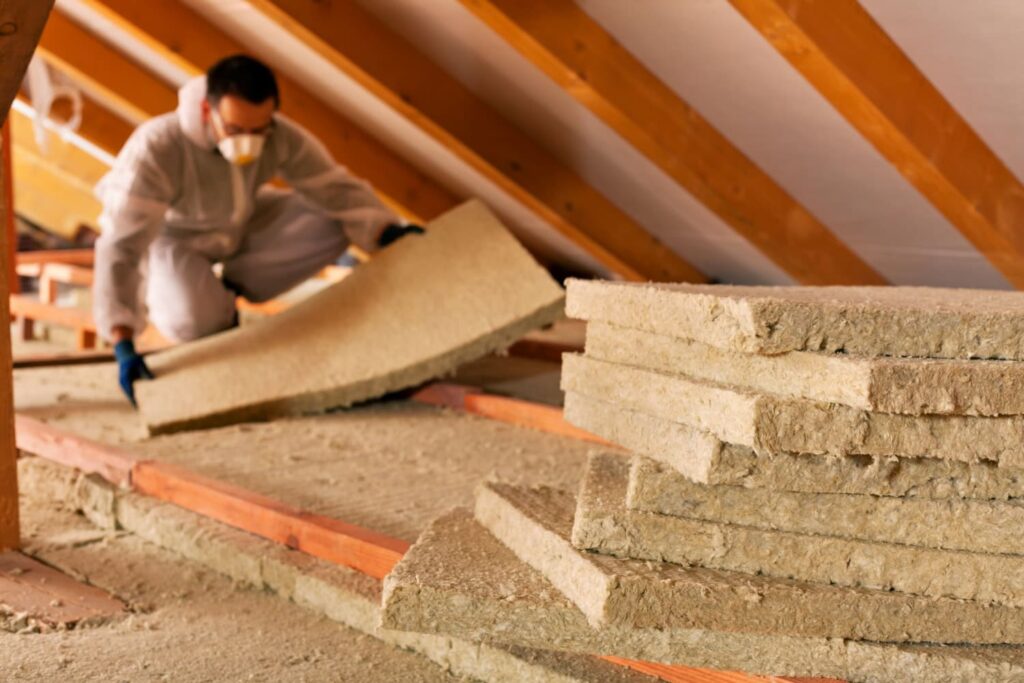
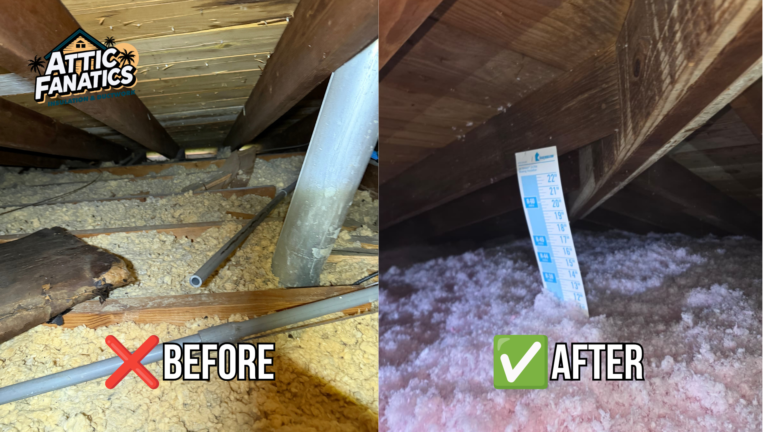
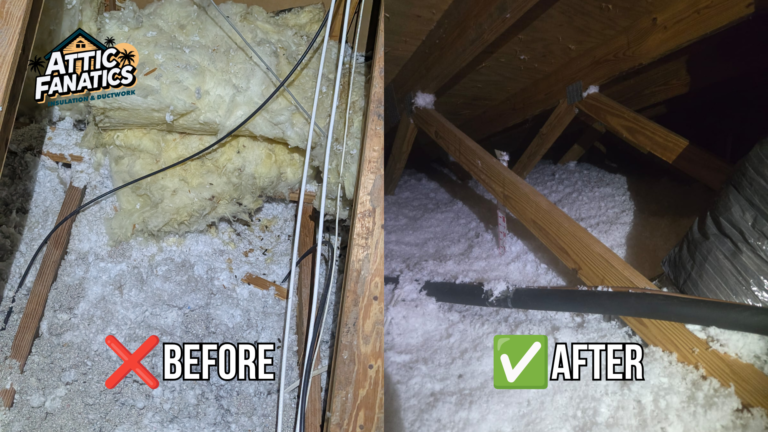
Not all insulation types perform the same under extreme heat and moisture. Fiberglass, while common, loses effectiveness when humidity causes fibers to clump or settle. Cellulose absorbs moisture more readily, making it vulnerable to mold development and long-term compaction. These issues lead to rapid reductions in thermal resistance, especially in environments where humidity levels remain consistently high.
Closed-cell spray foam handles moisture more effectively and forms a tighter thermal envelope, but it must be installed with careful consideration of ventilation and vapor behavior. Open-cell foam permits greater vapor movement yet can retain humidity if misapplied. Rigid foam boards maintain strong performance but depend on precise sealing to avoid creating air gaps. Selecting the appropriate material requires understanding how each option responds to high-temperature, mixed-humidity conditions.
Ventilation Challenges That Intensify Heat Buildup
 Ventilation Challenges That Intensify Heat Buildup
Ventilation problems also contribute to attic heat trap. Soffits become blocked by insulation, ridge vents restrict flow, and high humidity reduces the temperature differential necessary for natural air movement. Without adequate circulation, hot air becomes trapped inside, causing insulation to degrade faster and wood structures to expand and contract at accelerated rates.
Improper ventilation amplifies heat storage and encourages moisture accumulation two conditions that shorten the lifespan of attic systems. Even premium insulation cannot perform well if the attic lacks balanced airflow to release excess heat and moisture.
Long-Term Efficiency Impacts of Extreme Attic Heat Loads
 Long-Term Efficiency Impacts of Extreme Attic Heat Loads
Persistent attic heat raises interior temperatures, forcing cooling systems to work harder and consume more energy. Over time, this reduces HVAC lifespan and increases operational costs. Homeowners also experience uneven cooling, noticeable temperature differences between floors, and indoor humidity that remains stubbornly high despite system adjustments.
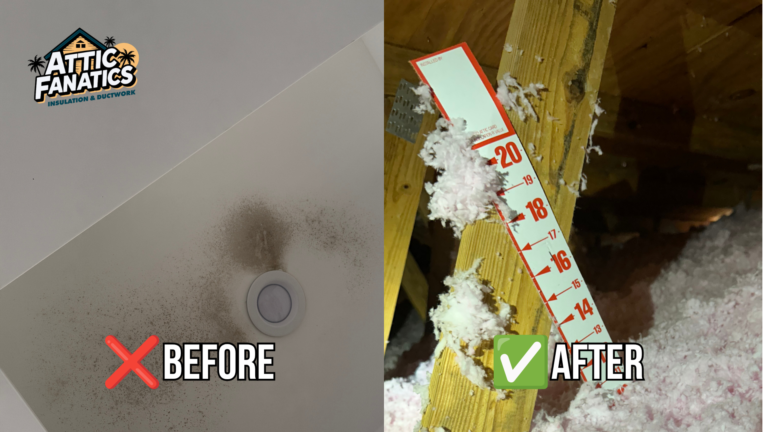
The structural effects are just as significant. Prolonged heat exposure dries out wood framing, causes adhesives to weaken, and stresses roofing materials. When moisture is involved, the combination accelerates decay and encourages microbial growth issues that remain hidden until insulation is removed or structural symptoms emerge.
Why Climate-Specific Insulation Strategies Matter
 Why Climate-Specific Insulation Strategies Matter
Attics exposed to intense solar load and moisture-heavy air require a tailored approach rather than generic insulation upgrades. Attic Fanatics designs insulation systems based on climate data, humidity behavior, attic geometry, and material science. Their diagnostic process evaluates heat accumulation, ventilation patterns, and moisture movement with precision before any installation begins.
This method allows them to select materials and configurations that perform reliably under high-heat, mixed-humid conditions. By addressing air leaks, moisture pathways, and thermal irregularities, they create attic environments that minimize heat trapping and maintain stable energy performance throughout the year.
Strengthening Attics for High-Heat, Mixed-Humidity Conditions
 Strengthening Attics for High-Heat, Mixed-Humidity Conditions
Attics exposed to intense sunlight, elevated temperatures, and moisture-heavy air require more than standard insulation practices. The combination of solar load, humidity retention, and slow overnight cooling creates an environment where materials fatigue quickly and heat accumulates aggressively. By understanding these forces and using evaluation methods tailored to mixed-humid climates, homeowners can maintain attic systems that stay efficient, stable, and better equipped to handle ongoing thermal stress.