What Insulation Removal Reveals About Mold, Moisture, and Your Home🏚️
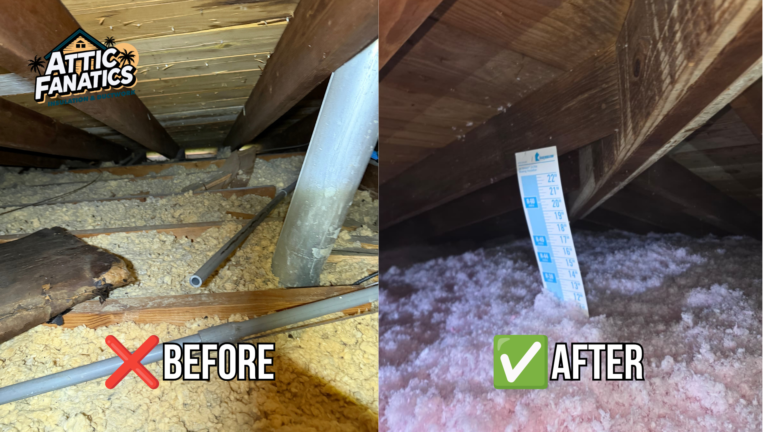
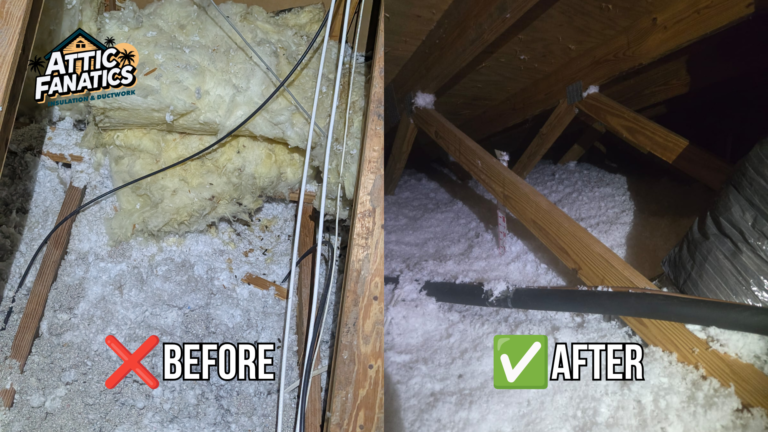
When specialists begin attic insulation removal, they often uncover issues that have been hidden for years. Insulation acts like a record of the home’s past, holding signs of moisture exposure, mold growth, pest activity, and structural stress that aren’t visible from above the surface. Once the old material is pulled away, the attic’s true condition comes into view, revealing how the space has handled humidity, airflow, and past construction events that shaped its performance.
🦠 What Mold Growth Inside Old Insulation Really Reveals
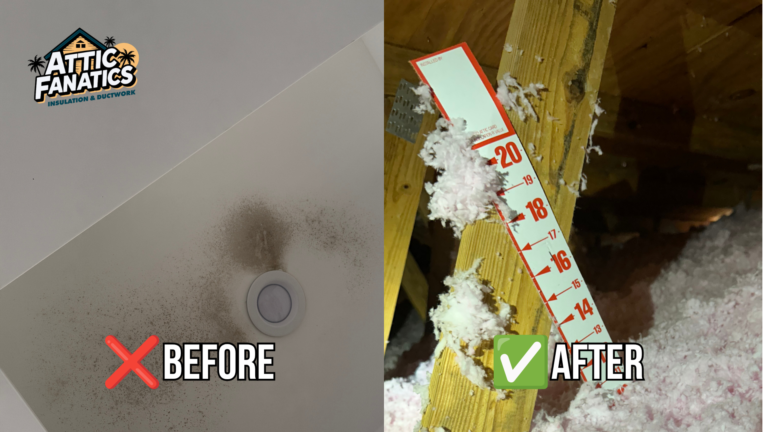
Mold is one of the most common findings during removal, often developing silently within damp insulation layers. Because insulation traps moisture, fungal growth can spread unnoticed. The patterns left behind offer insight into how long humidity has been present, whether leaks occurred in the past, and how air moves through the attic. Concentrated clusters imply localized dripping, while widespread shadowing reflects broader ventilation issues. These visual cues help professionals trace moisture pathways and identify where deeper remediation is needed.
💧 Hidden Leaks and Moisture Trails Left Behind
Moisture stains on rafters, decking, or joists become visible only after insulation is removed. These markings reveal both the severity and timeline of water intrusion. Older leaks leave lighter discoloration, while darker streaks suggest long-term saturation. The physical condition of the insulation itself compressed, heavy, or stuck to wood confirms whether thermal performance has been declining for years. By studying these patterns, specialists determine which areas require sealing, drying, or structural reinforcement before new insulation is installed.
🐀 Pest Activity and Biological Contaminants Uncovered
Insulation often conceals rodent tunnels, nests, and droppings. When the material is removed, the pathways pests used to move throughout the attic become clear. These contaminants pose significant air-quality concerns because they release allergenic particles that can enter living areas. Identifying pest routes helps pinpoint entry points that must be sealed to prevent future intrusions. In severe cases, sanitization is required to eliminate hazardous residue and restore a safe attic environment.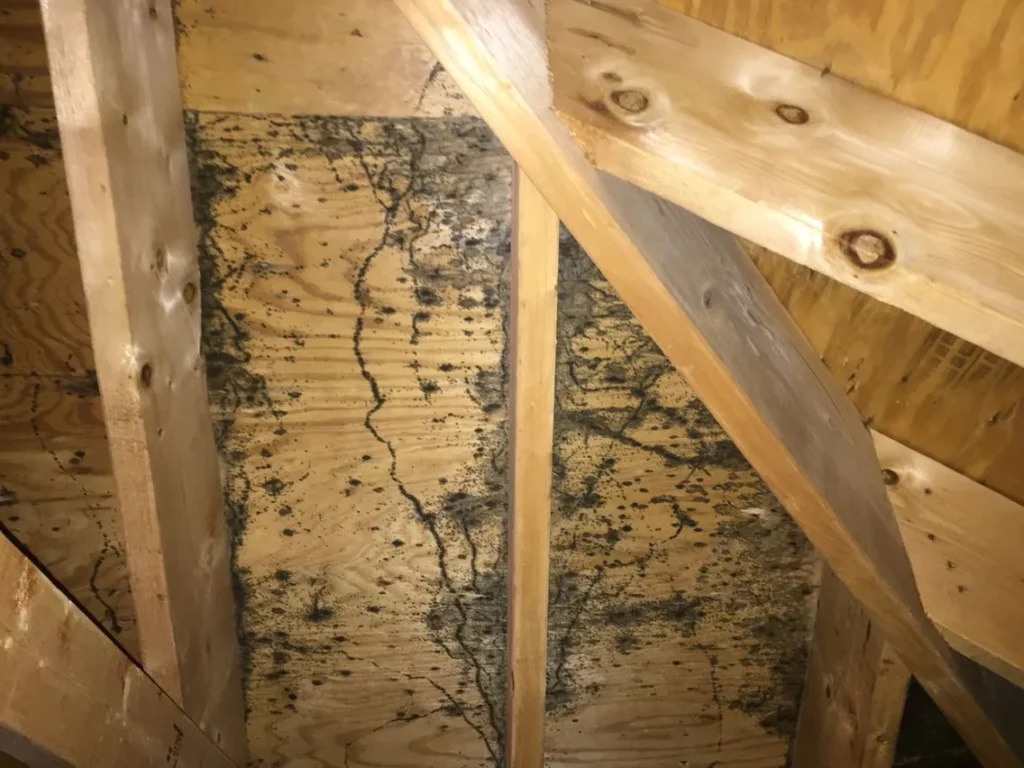
🪵 Material Decay and Structural Stress Signs
Beneath old insulation, early indicators of wood deterioration frequently appear. Discoloration, softening, corrosion on fasteners, and slight warping often go unnoticed for years. These conditions develop when moisture cycles repeatedly interact with attic framing. By exposing these areas, insulation removal provides a chance to evaluate structural health and determine whether ventilation improvements, sealing, or repairs are necessary. Attic Fanatics approaches this stage with careful analysis to ensure the attic is stable before upgrades proceed.
⚠️ Health and Safety Risks of Overlooking Hidden Issues
Mold spores, pest debris, and trapped moisture can significantly affect indoor air quality. When these issues are ignored, they contribute to respiratory discomfort, structural vulnerability, and higher energy usage as the home struggles to regulate temperature. Once discovered during removal, addressing them promptly helps prevent long-term damage and reduces the likelihood of recurring contamination.
🏠 Precision and Safety Protocols Before New Installation
Removal is only the first step. Attic Fanatics applies strict containment, HEPA filtration, and controlled extraction to keep contaminants from spreading. After the attic is cleared, specialists assess moisture levels, sanitize impacted areas, and recommend improvements suited to the home’s conditions. This ensures that new insulation performs efficiently and the attic is restored to a clean, stable, and safe state.
🌤️ Creating a Stronger, Healthier Attic Environment
The findings revealed during insulation removal offer a clearer understanding of what the attic has endured over the years. Moisture trails, mold pockets, pest remnants, and material decay all serve as critical indicators of the home’s true condition. Addressing these problems before installing new insulation ensures long-term comfort, better air quality, and improved structural resilience setting the stage for a healthier attic and a more efficient home.