How Dirty Ducts Harm Your Home’s Air Quality and Indoor Microclimate
Homes often develop subtle comfort issues long before anyone realizes the source lies deep inside the HVAC system. As dust, allergens, mold spores, and microscopic debris accumulate within air pathways, they gradually reshape airflow patterns, humidity balance, and overall indoor comfort. Many homeowners first notice shifting temperatures, persistent irritation, or an increase in stale odors, unaware that these changes stem from contamination hidden inside the ductwork. When professionals perform duct cleaning, they uncover how debris restricts airflow, redistributes pollutants, and disrupts the home’s microclimate in ways that slowly intensify over time.
 How Dust and Debris Disrupt Airflow Efficiency
 How Dust and Debris Disrupt Airflow Efficiency
Even a thin film of dust inside ducts can alter the aerodynamic flow of air moving through the system. As particles accumulate, turbulence increases, forcing conditioned air to slow down or divert in unintended ways. This disruption prevents rooms from receiving balanced airflow, creating hotspots, cold patches, and temperature inconsistencies.
The added resistance strains HVAC components, increasing energy use without improving comfort. Over time, certain rooms may appear permanently difficult to cool or heat, not because of insulation issues, but due to airflow blockages hidden deep within the ducts. These restrictions often develop gradually, making them difficult to identify until an inspection reveals the buildup.
Mold Spores and Organic Contaminants Affect Indoor Health
 Mold Spores and Organic Contaminants Affect Indoor Health
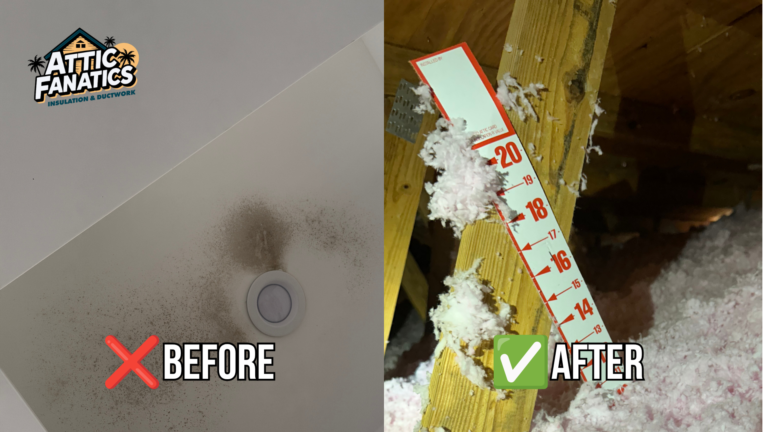
Moisture entering ductwork whether from humidity, condensation, or nearby leaks creates a breeding environment for mold spores. Once mold develops inside a duct, even at small levels, the air system begins circulating spores throughout the home. This contamination can lead to respiratory irritation, increased allergies, and persistent odors that don’t resolve with surface cleaning.
Mold presence inside ducts often goes unnoticed because growth occurs along interior walls and joints. When discovered, the pattern usually indicates areas with poor airflow or fluctuating temperatures that encourage condensation. Removing these spores is essential not only for air quality but also for restoring a neutral, healthy microclimate that doesn’t support further biological growth.
Allergen Recirculation and Respiratory Stress
 Allergen Recirculation and Respiratory Stress
Ducts act as transport channels for airborne particulates. When lined with pollen, pet dander, insect fragments, and fine dust, the system begins recirculating these allergens every time the HVAC operates. That can create a loop of ongoing exposure that affects individuals with asthma or sensitive respiratory systems.
Because contaminants often accumulate in corners, elbows, and transitions within ducts, airflow across these surfaces repeatedly lifts and reintroduces particles into the home. The effect is noticeable: increased sneezing, dryness, throat irritation, and a feeling of stale or heavy air. These symptoms are often attributed to seasonal changes but commonly originate from buildup inside the duct network itself.
Temperature Imbalances Caused by Blocked or Lined Duct Interiors
 Temperature Imbalances Caused by Blocked or Lined Duct Interiors
Temperature control depends on the HVAC system delivering air at its designed speed and volume. When duct interiors become coated with debris, airflow weakens, forcing certain rooms to heat or cool more slowly. These imbalances often mimic insulation failure or equipment wear, yet the cause lies within the ducts rather than the attic or the HVAC unit.
Restricted flow increases cycle times, meaning the system runs longer to reach target temperatures. As the load intensifies, energy bills rise even though comfort decreases. In homes with older ducts, debris buildup can also push air into unintended gaps or joints, further reducing system efficiency and altering the home’s microclimate.
How Contaminated Ducts Influence Humidity Balance
 How Contaminated Ducts Influence Humidity Balance
Humidity levels inside a home depend on airflow, moisture transfer, and ventilation. Dirty ducts disrupt this balance by creating stagnant pockets where moisture accumulates or fails to circulate. When ducts cannot move air evenly, humidity may rise in one area while remaining low in another, producing inconsistent comfort.
These humidity shifts can influence how rooms feel even at the same thermostat setting. High humidity promotes stickiness, lingering odors, and mold growth, while low humidity can cause dryness and irritation. Clean airflow helps regulate these conditions, ensuring the entire home responds uniformly to the HVAC system.
Energy Consumption Increases as Duct Contamination Grows
 Energy Consumption Increases as Duct Contamination Grows
Every obstruction inside the ducts forces the HVAC system to compensate. Fans must push harder, cycles last longer, and temperature recovery slows down. The system uses more electricity to achieve the same output, even though comfort levels continue to decline. This silent energy loss often goes unnoticed for years until an audit reveals the inefficiencies.
Blockages also contribute to mechanical stress, shortening the lifespan of HVAC components. Motors work harder, dampers strain, and temperature sensors read inaccurately due to delayed airflow. All these effects stem from contamination that could have been prevented through routine inspection and maintenance.
Restoring a Healthy Microclimate Through Clean Airflow
 Restoring a Healthy Microclimate Through Clean Airflow
A clean, balanced indoor environment begins with unrestricted airflow. Attic Fanatics specializes in restoring this balance by removing debris, eliminating mold sources, and identifying airflow problems concealed within duct systems. Their approach centers on detailed diagnostics, airflow mapping, and contamination removal to ensure the system distributes clean air evenly throughout the home.
By clearing obstructed pathways and resetting airflow behavior, the home regains stable temperatures, healthier humidity levels, and improved air quality. Cleaner ducts allow the HVAC system to operate efficiently, reducing energy demands while enhancing comfort across every room.
Creating a Cleaner, Safer, and More Balanced Indoor Environment
 Creating a Cleaner, Safer, and More Balanced Indoor Environment
Indoor microclimates depend on subtle airflow dynamics that shift the moment ducts become contaminated. Dust, mold spores, allergens, and debris don’t just affect cleanliness they alter temperature patterns, humidity levels, and the overall way air moves through the home. Understanding these influences is the first step toward restoring a stable, healthy indoor environment supported by clean, balanced airflow and expert maintenance.