How Attic Insulation Affects Indoor Air Quality 

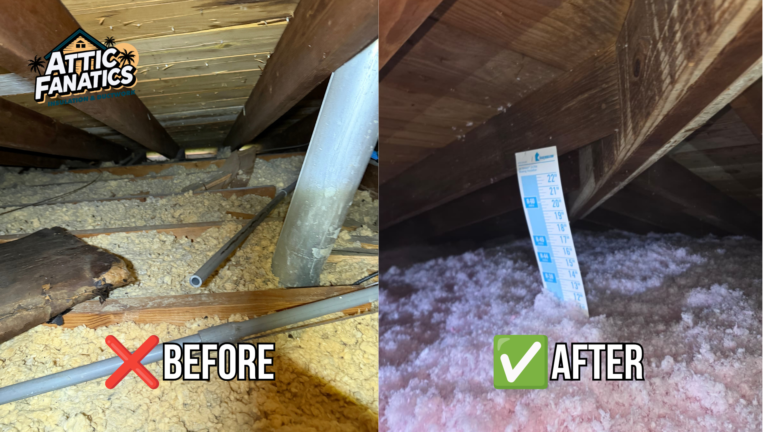
Attic insulation is commonly linked to temperature regulation, but its influence extends far beyond thermal control. Homes in the Florida climate face distinct pressures as heat, humidity, and seasonal storms continuously interact with roofing and attic systems. When insulation is poorly installed or has deteriorated over time, natural airflow patterns can be disrupted, moisture may become trapped, and dust can move more freely through the structure.
Role of Attic Airflow in Healthy Homes
 Role of Attic Airflow in Healthy Homes
Air circulation within the attic acts as an essential buffer between outdoor conditions and interior living spaces. When insulation blocks or misdirects ventilation pathways, pockets of stagnant air can form, reducing overall air exchange efficiency. Limited movement allows heat and moisture to build up, placing stress on structural materials and raising humidity levels inside the home. Over time, these imbalances lead to musty odors, surface condensation, and conditions that support microbial activity, all of which influence the air that continually recirculates through the living environment.
Humidity Control and Its Hidden Consequences
 Humidity Control and Its Hidden Consequences
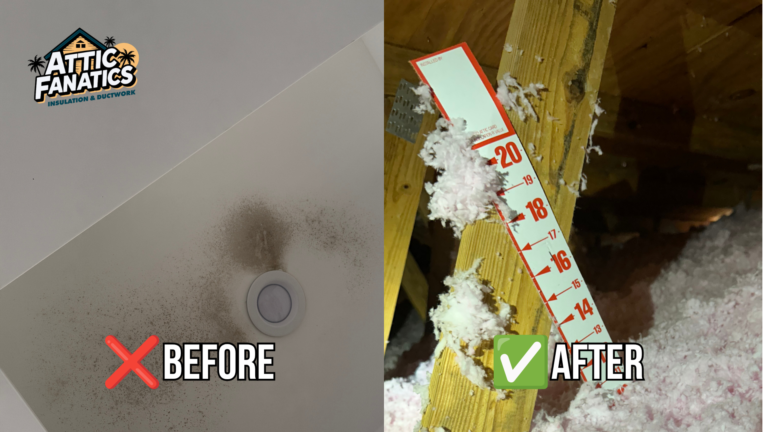
Maintaining proper moisture balance is essential for protecting building materials and supporting everyday comfort. Elevated moisture levels can infiltrate poorly insulated attics, leading to damp insulation layers and increased vapor migration into living spaces. When moisture is not effectively managed, conditions become favorable for mold and mildew development, heavier dust buildup, and irritation of sensitive airways. Even subtle shifts in attic moisture retention can disrupt HVAC performance, resulting in uneven temperature regulation and rooms that feel inconsistently warm or cool despite normal system operation.
Dust Circulation and Airborne Particles
 Dust Circulation and Airborne Particles
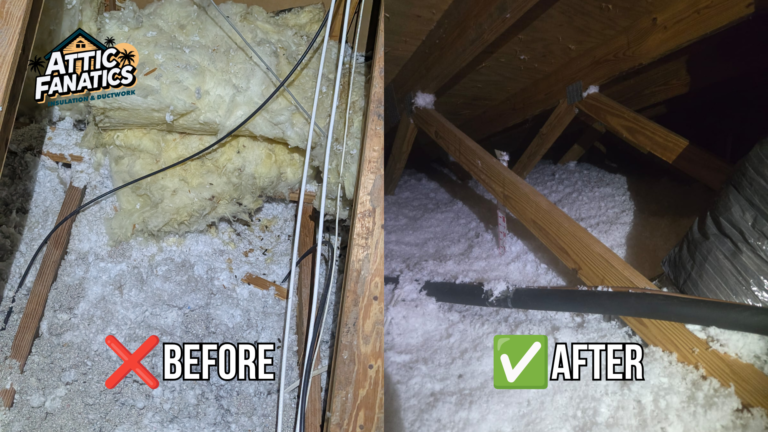
Insulation functions as more than a temperature buffer; it also influences how airborne particles move through a home. As materials age or deteriorate, small fibers and gaps can allow fine particulates to enter moving air. These particles may settle on furniture and flooring or remain suspended, contributing to allergy flare-ups and respiratory sensitivity. Homes with poor sealing or compressed insulation often experience increased particle movement, which directly affects overall comfort by diminishing air cleanliness and increasing the effort required to maintain a healthy indoor environment.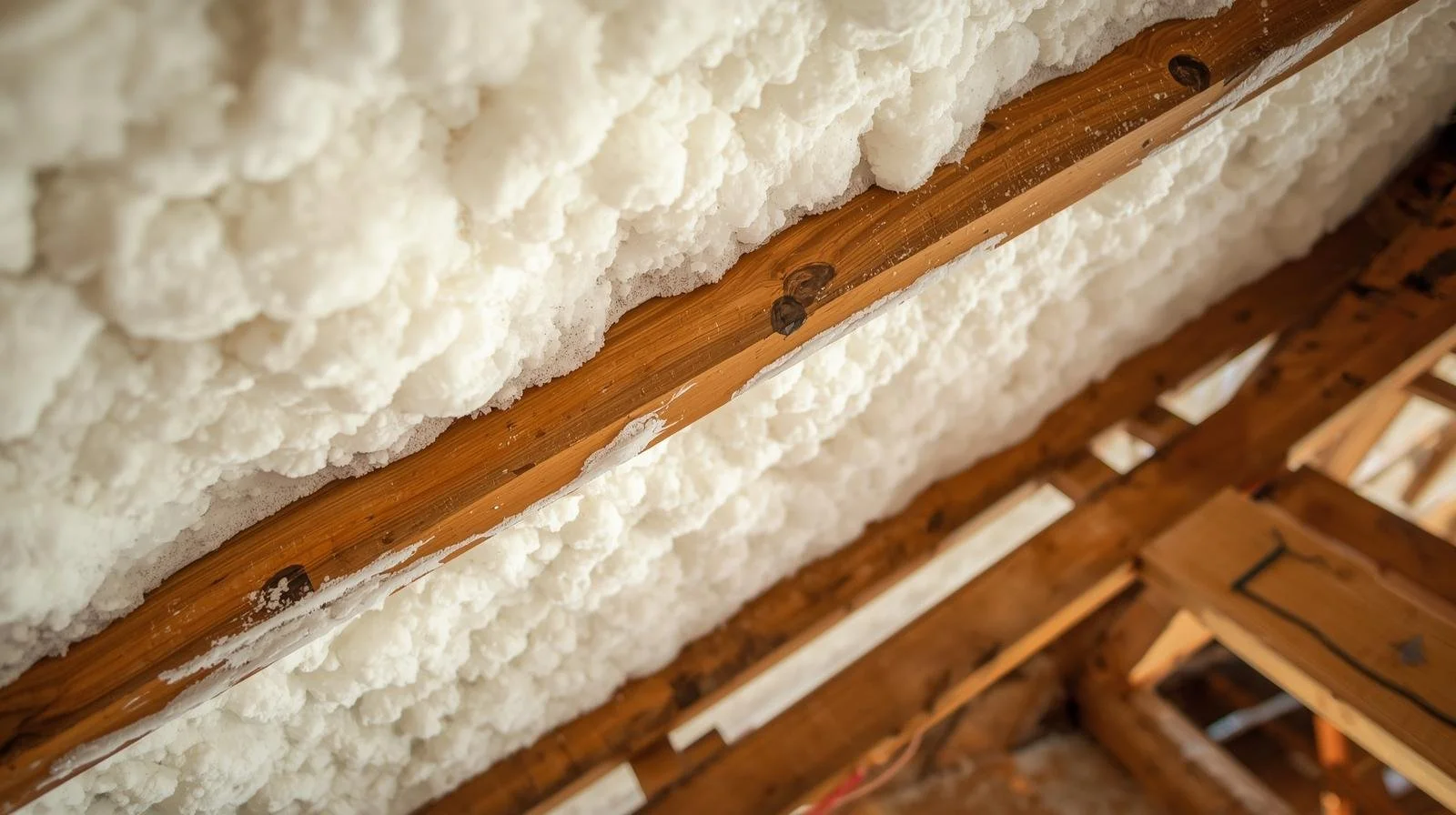
Subtle Signals of Compromised Air Quality
 Subtle Signals of Compromised Air Quality
The signs of compromised attic insulation air quality are often gradual:
- Persistent musty odors in living areas
- Slight increases in indoor humidity despite HVAC operation
- Uneven room temperatures and pockets of dampness
- More frequent dust settling on surfaces and furniture
- Noticeable decrease in overall home comfort
 Persistent musty odors in living areas
 More frequent dust settling on surfaces and furniture
 Noticeable decrease in overall home comfort
Ignoring these indicators allows small problems to escalate, potentially impacting respiratory health, structural integrity, and long-term energy efficiency.
Practical Solutions to Restore Optimal Conditions
 Practical Solutions to Restore Optimal Conditions
Addressing airflow and moisture problems requires a holistic approach. Homes benefit from properly installed or upgraded insulation materials, strategic vent placement, and sealed attic entrances. Modern insulation options resist moisture absorption, support effective airflow, and minimize dust release. Homeowners can also monitor attic conditions seasonally to catch early warning signs of excessive humidity or airflow obstruction.
Key Practices for Maintaining Indoor Air Quality
 Key Practices for Maintaining Indoor Air Quality
- Inspect attic insulation annually for gaps or compression
- Ensure ventilation pathways are unobstructed and balanced
- Use moisture-resistant materials to limit dampness and microbial growth
- Remove accumulated dust in accessible attic areas to prevent circulation
- Maintain HVAC systems to complement attic ventilation and airflow
 Inspect attic insulation annually for gaps or compression
 Maintain HVAC systems to complement attic ventilation and airflow
Attic systems designed with both moisture regulation and effective ventilation contribute to cleaner air and a more stable indoor environment. In regions where heat and humidity place constant pressure on residential structures, professional evaluation becomes especially valuable. Working with Attic Fanatics specialists who understand how local climate conditions influence insulation performance helps ensure attic systems function as intended, safeguarding both the home’s structure and the air occupants breathe.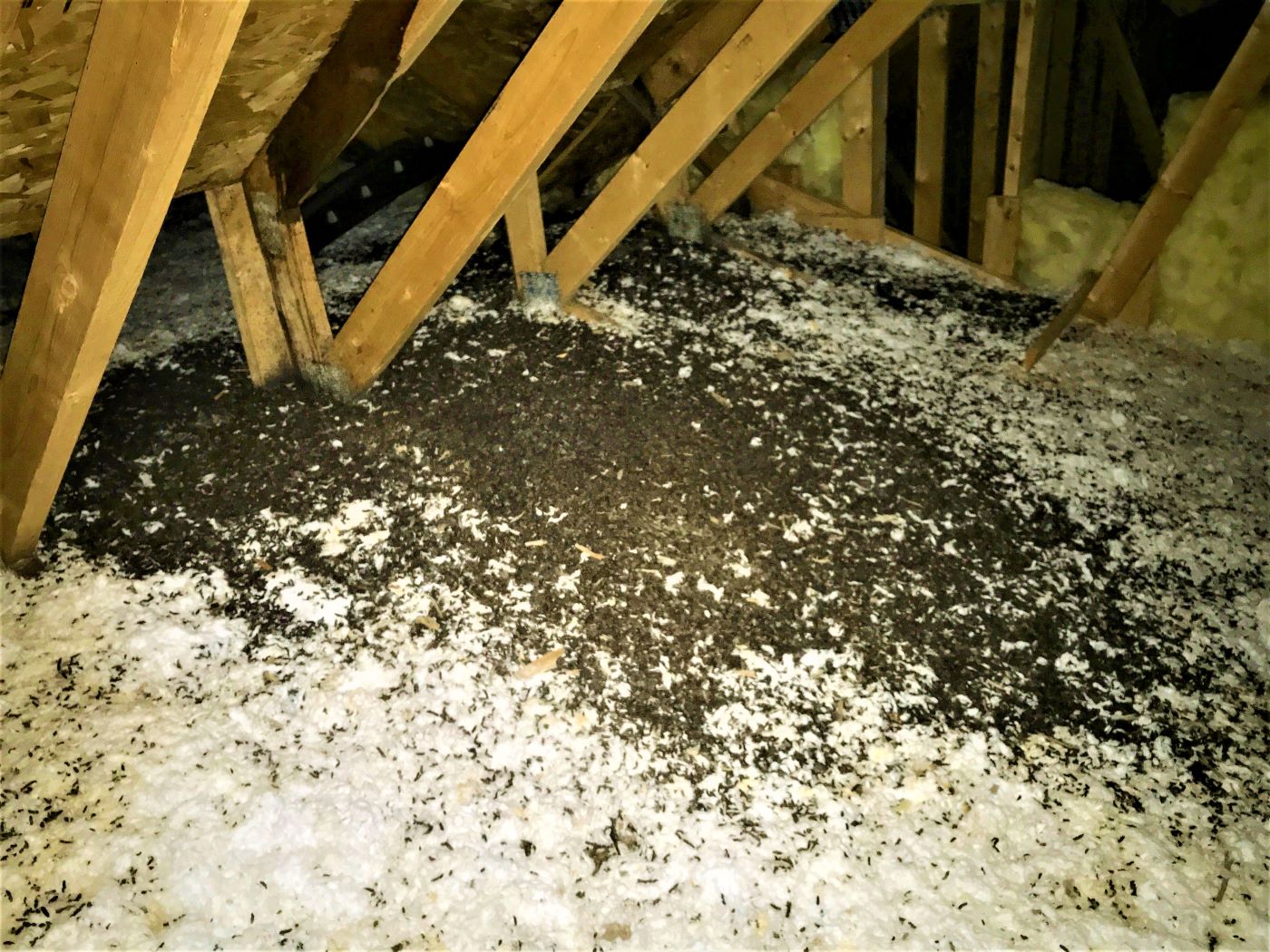
Optimizing Attic Systems for Health and Comfort
 Optimizing Attic Systems for Health and Comfort
Correctly installed and maintained insulation enhances indoor air quality beyond temperature regulation. By limiting dust movement, supporting effective ventilation, and maintaining balanced moisture levels, living spaces become more comfortable, healthier, and less susceptible to structural wear. When combined with expert diagnostics, modern insulation materials, and proactive monitoring, these measures help homes remain resilient in hot, humid coastal environments while preserving stable indoor conditions throughout the year.