Stop Ice Dams: Why Spray Foam is the Ultimate Solution 


Ice dams are often associated with colder regions, but roof damage caused by trapped heat and moisture can happen in many climates. When attic conditions become unbalanced, warm air rises toward the roof and creates structural stress over time.
Proper insulation and sealing prevent these hidden issues before they escalate into expensive repairs.
How Heat and Moisture Build Up Inside the Attic
 How Heat and Moisture Build Up Inside the Attic
Attics act as a buffer zone between outdoor weather and indoor living space. When insulation is weak or inconsistent, heat escapes upward and warms the roof deck. This temperature difference can lead to condensation, trapped humidity, and gradual roof deterioration.
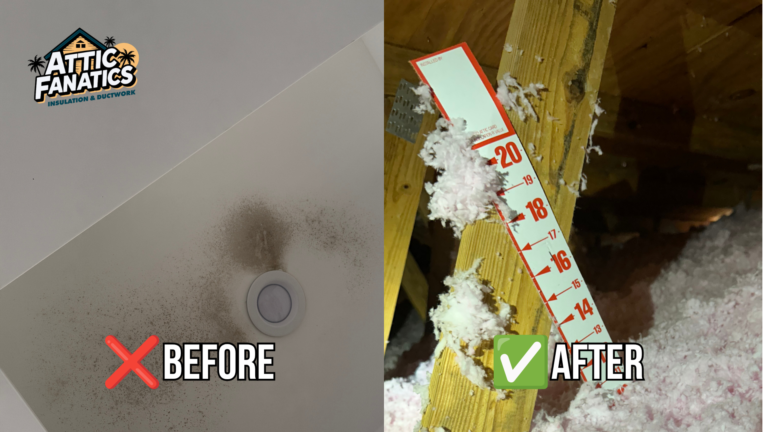
Moisture accumulation is especially problematic because it weakens wood structures and encourages mold growth. Without effective moisture control, even small temperature changes can lead to long-term structural problems.
Traditional insulation methods slow heat transfer, but they often leave small gaps where air movement continues. Over time, these openings allow warm air and humidity to reach the roof surface.
Why Traditional Insulation Leaves Gaps
 Why Traditional Insulation Leaves Gaps
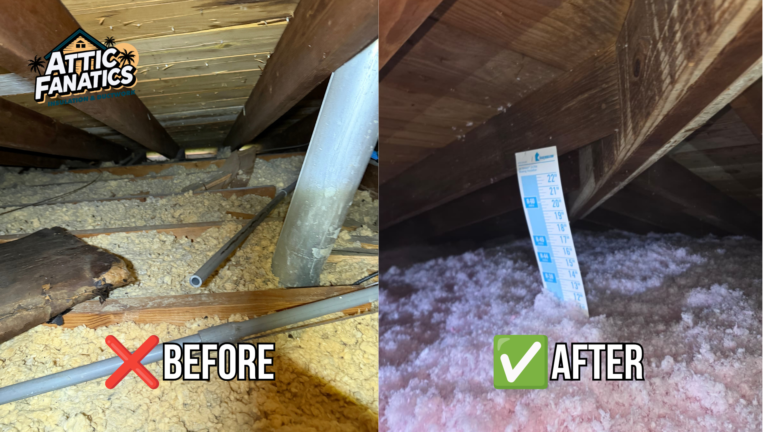
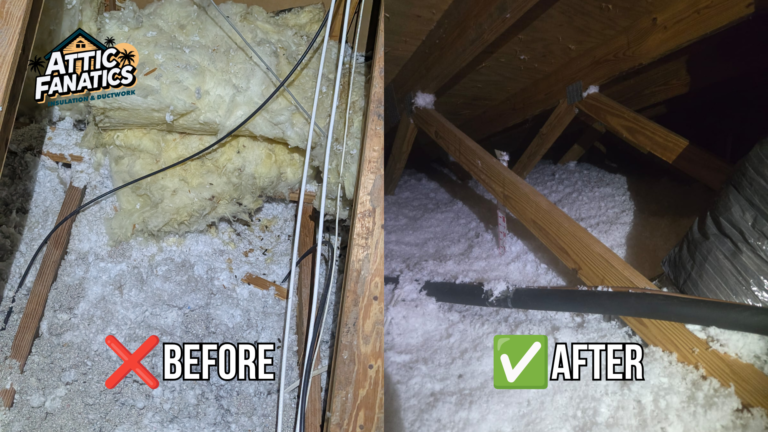
Fiberglass batts and loose-fill materials depend heavily on correct installation. If coverage becomes uneven or compressed, small channels form where air can pass through.
These pathways allow warm air to move freely into the attic. As temperatures fluctuate, condensation begins forming along cooler surfaces. Over time, that moisture can damage framing, weaken insulation performance, and create ideal conditions for microbial growth.
Even homes with decent insulation levels may struggle with uncontrolled air movement if sealing was never addressed.
Advantage of Spray Foam Insulation
 Advantage of Spray Foam Insulation
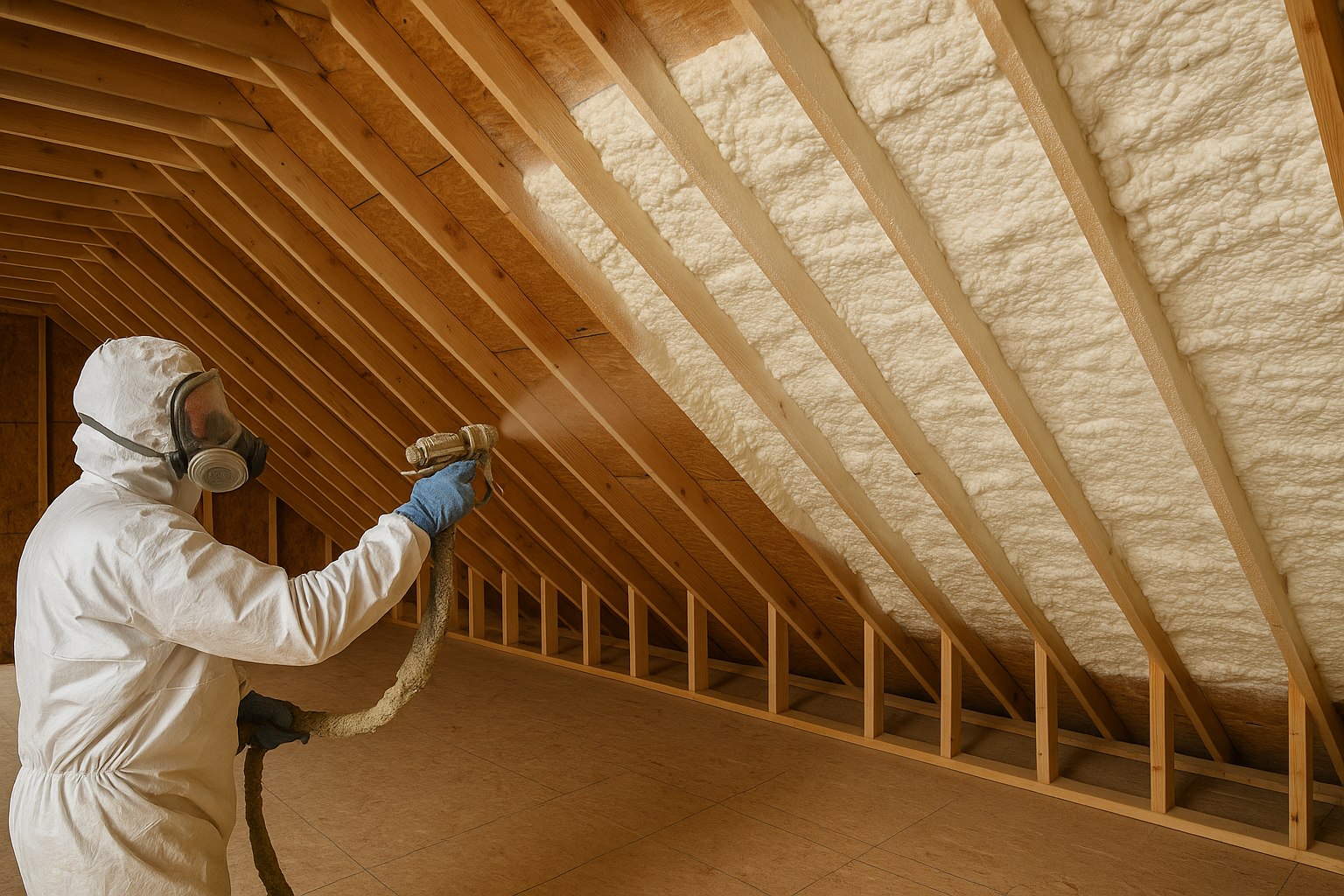
One solution that addresses both insulation and air sealing simultaneously is spray foam insulation for attic spaces. Unlike traditional materials, it expands after application and fills cracks, seams, and hidden cavities.
This expansion forms a continuous thermal barrier that reduces heat transfer while blocking unwanted air movement. The result is a more stable indoor temperature and a home that requires less strain from heating and cooling systems.
Because the material bonds directly to surrounding surfaces, it creates a strong airtight seal that prevents conditioned air from escaping and outdoor air from entering.
Signs Your Attic May Need Better Sealing
 Signs Your Attic May Need Better Sealing
Many homeowners are unaware that their attic insulation is underperforming until visible symptoms appear. Common indicators include:
- Uneven roof temperatures or localized ice buildup along edges
- Condensation forming on wood beams or attic surfaces
- Drafts or temperature fluctuations in upper rooms
- Signs of moisture damage around the roof deck
- Rising utility costs linked to reduced energy efficiency
 Uneven roof temperatures or localized ice buildup along edges
 Condensation forming on wood beams or attic surfaces
 Drafts or temperature fluctuations in upper rooms
 Signs of moisture damage around the
  Rising utility costs linked to reduced
These warning signs often suggest that air movement and humidity are not properly controlled within the attic space.
Role of Balanced Attic Ventilation
Insulation alone cannot regulate attic conditions. Effective attic ventilation allows excess heat and humidity to escape before they accumulate near the roof.
When ventilation and insulation work together, the attic maintains a more stable temperature. This reduces condensation risk and protects structural materials from prolonged moisture exposure.
Poor ventilation combined with air leaks creates the ideal environment for roof deterioration. That is why professional attic evaluations focus on airflow patterns as well as insulation quality.
Building a Stronger Thermal Barrier for the Roof
A well-sealed attic helps maintain consistent indoor temperatures while protecting the roof structure above. When insulation forms a continuous barrier, heat loss slows dramatically and air leakage is minimized.
Attic Fanatics focuses on identifying hidden insulation gaps and sealing vulnerabilities that allow heat and moisture to reach the roof structure. By combining modern insulation solutions with proper attic design, homeowners can significantly improve long-term roof protection.
A carefully sealed attic not only prevents structural stress but also supports a more comfortable and energy-efficient home environment throughout the year.