Blown-In vs. Batts: Why Blown-In is Better for Older Homes 🏠❄️
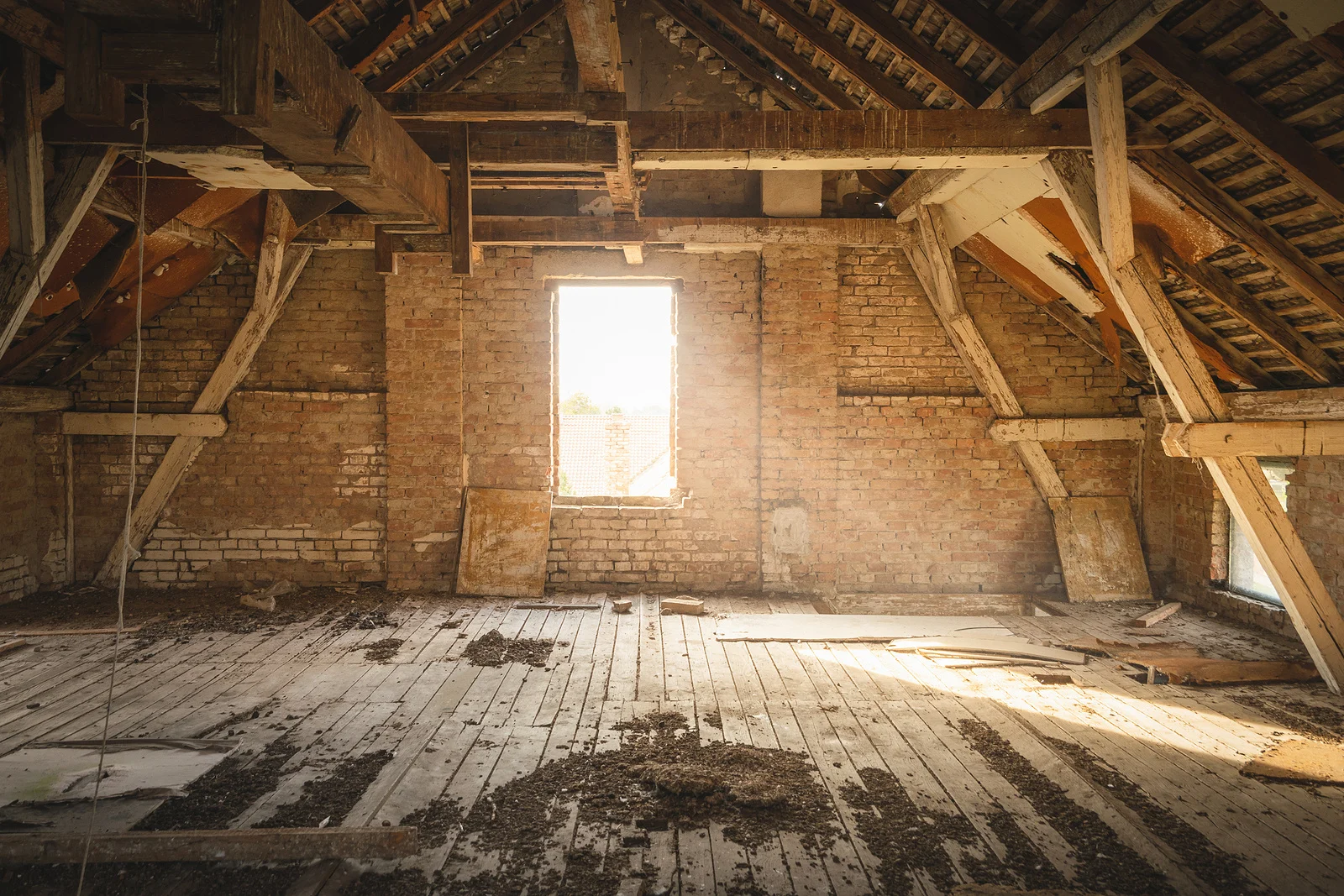
Older homes often have attics that weren’t built with modern insulation standards in mind. Uneven joists, narrow corners, and aging structures make it difficult for traditional materials to perform effectively. This is why many experts recommend blown in attic insulation when upgrading older properties.
Both batt and blown-in systems can improve energy performance, but their effectiveness depends heavily on the structure of the attic. Knowing how each option works helps homeowners choose the right solution for long-term comfort and efficiency.
🧱 How Batt Insulation Works in Traditional Attics
Batt insulation is one of the most widely used materials in residential construction. Typically made from fiberglass, it comes in pre-cut panels designed to fit between attic joists. Installation is straightforward, making it a popular option for new construction where framing is uniform.
One of the key benefits of batt insulation is its predictable thickness and easy handling. Contractors can place the panels quickly across open areas, creating a consistent thermal barrier when the attic layout is simple.
However, older homes rarely provide perfectly spaced framing. Over time, wood structures shift slightly, creating irregular cavities along the attic floor. When batt materials are forced into uneven spaces, small openings can remain around edges or wiring. These areas reduce the insulation’s ability to block heat movement.
🌬️ Why Blown-In Material Performs Better in Older Homes
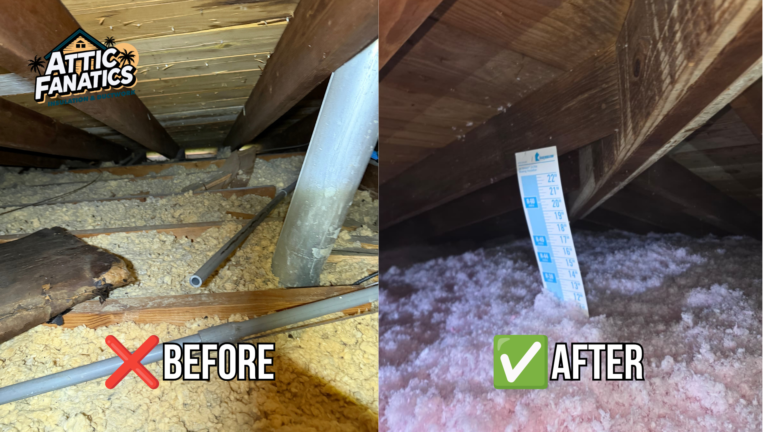
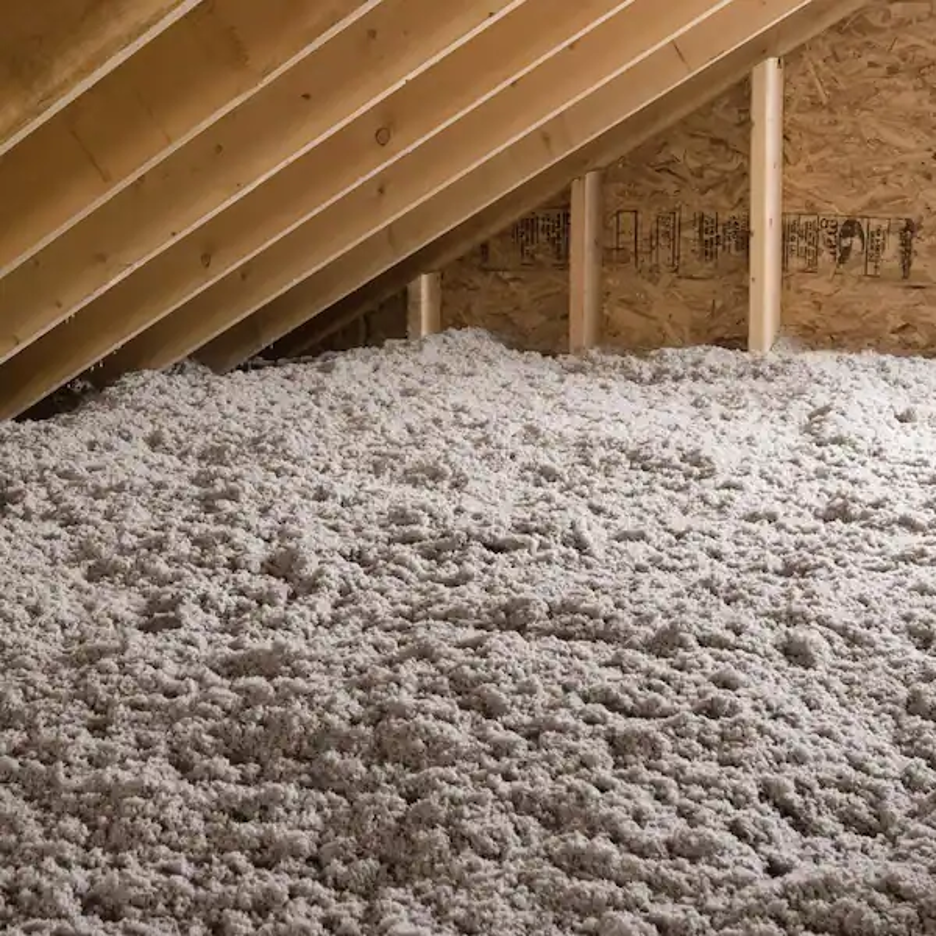
Blown in attic insulation is applied using specialized equipment that distributes loose fibers across the attic surface. Instead of relying on rigid panels, the material spreads evenly and fills irregular spaces automatically.
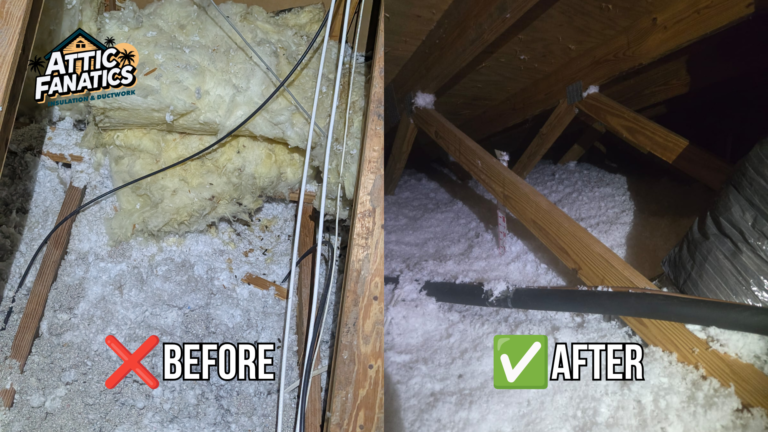
This approach is especially effective in homes where framing patterns are inconsistent. Loose insulation flows around pipes, wiring, and structural obstacles, sealing areas that panels often miss. The result is more complete coverage and improved thermal resistance.
Another advantage is its ability to settle into tight spaces that are difficult to access manually. Corners near roof edges and narrow joist cavities receive the same level of coverage as open areas, creating a more continuous barrier against heat transfer.
⚡ Thermal Performance and R-Value Differences
Insulation performance is typically measured using R-value, which represents resistance to heat flow. Higher numbers indicate stronger thermal protection.
When installed correctly, both batt and blown-in materials can achieve solid thermal performance. The difference lies in consistency. Panel systems rely heavily on precise placement, while loose-fill insulation naturally adapts to the structure.
Even small openings around framing or wiring can lower effective performance. By filling those gaps automatically, blown-in materials often maintain their thermal resistance more consistently across the entire attic surface.
🔍 Where Batt Insulation Still Makes Sense
Despite its limitations in older structures, batt insulation still has valid applications. Homes with uniform framing or newly renovated attic spaces may benefit from its clean, predictable installation.
Common situations where batt systems perform well include:
- 🧰 Open attic layouts with evenly spaced joists
- 🏗️ New construction projects with modern framing
- 🔧 Areas where insulation needs to be easily removed for maintenance
- 📦 Small sections that require targeted insulation upgrades
- 🧱 Locations where rigid panel coverage can be installed without obstruction
In these cases, the structured design of batt materials can provide reliable thermal coverage.
🏠 Solving Coverage Problems in Aging Attics
Older houses often develop small structural irregularities over time. Joists may shift slightly, previous renovations can leave uneven surfaces, and wiring additions create obstacles that insulation must work around.
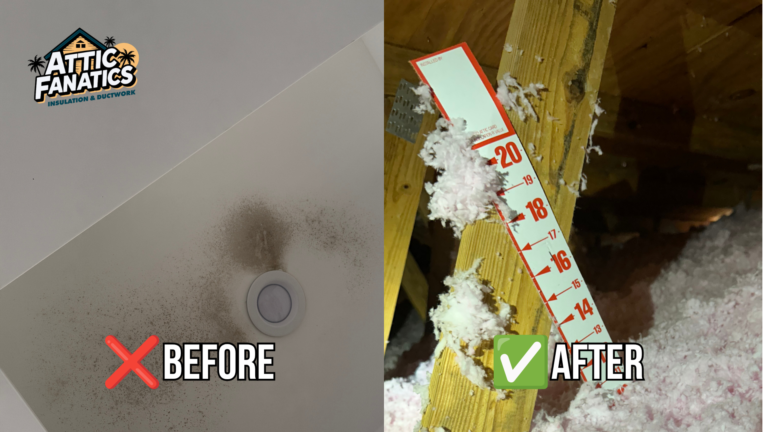
Because loose fibers settle naturally into irregular areas, they adapt better to these conditions. Instead of leaving small voids around structural elements, the material fills gaps and cracks that would otherwise allow heat movement.
More complete coverage improves indoor comfort and reduces the workload on heating and cooling systems. Over time, this helps stabilize temperatures throughout the home while supporting long-term energy efficiency.
🔎 Professional Evaluation for Older Attic Structures
Selecting the right insulation method depends on the condition of the attic and the layout of structural framing. Experienced specialists examine existing insulation levels, ventilation patterns, and structural obstacles before recommending an upgrade.
Attic Fanatics approaches attic evaluations by focusing on how insulation interacts with older building structures. Their assessments consider joist spacing, accessibility challenges, and existing insulation performance to determine which approach delivers the most effective coverage.
With proper evaluation and installation, homeowners can ensure their attic insulation works with the structure of the home rather than against it, creating a more comfortable and energy-efficient living environment.