Why Poor Attic Insulation Traps Dust and Allergens🏠
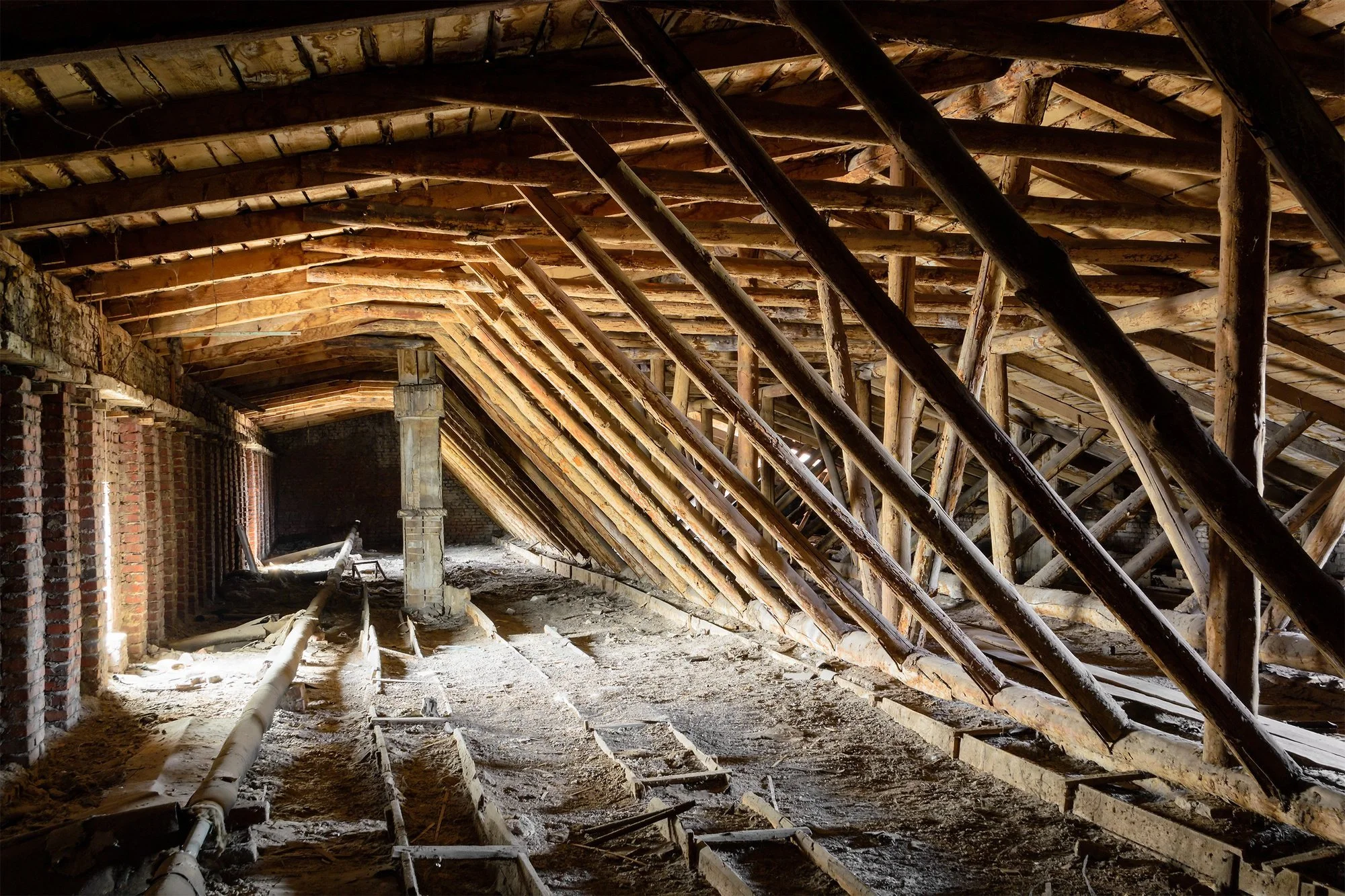
Homes in Florida face unique challenges due to the combination of heat, humidity, and frequent storms. Inadequate or deteriorated attic insulation can quietly reduce indoor air quality, acting as a gateway for dust and airborne irritants to accumulate in living spaces. When thermal barriers fail to perform as intended, airflow patterns are disrupted, allowing contaminants from the attic to enter the home. Even minor openings or gaps in insulation coverage create pathways through which dust, pollen, and other particles circulate, compromising comfort and overall health.
🌫️ How Insulation Gaps and Air Leakage Fuel Dust Buildup
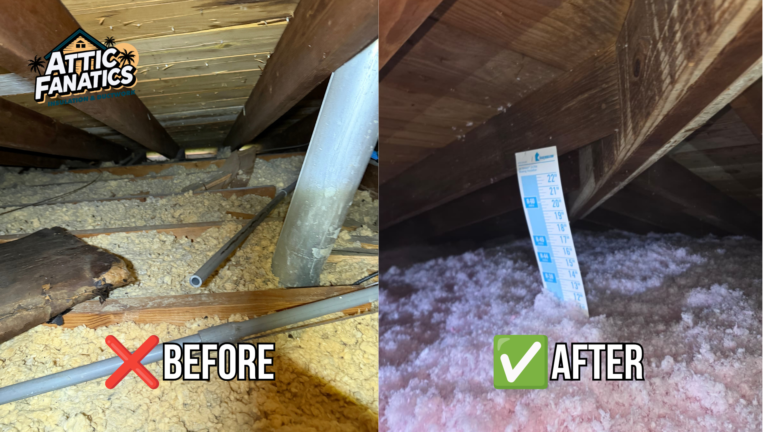
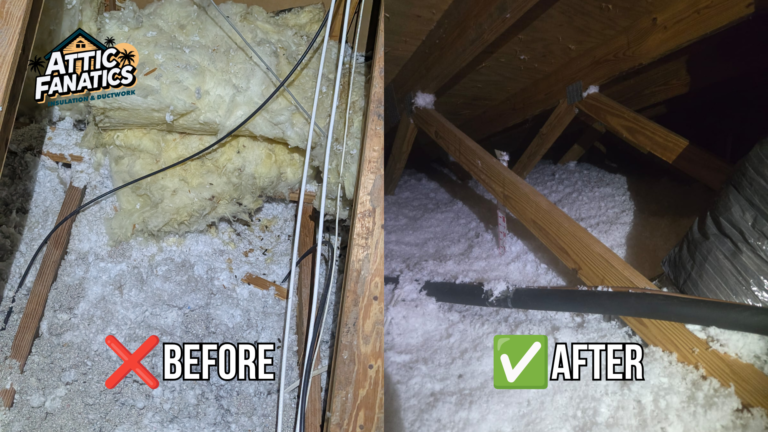
Insulation is meant to act as a barrier, regulating temperature while controlling airflow. However, poor attic insulation often leaves gaps or areas of uneven coverage. These voids allow warm, humid air from the exterior to enter the attic, carrying dust particles along with it. Once inside, the particles settle on surfaces or are drawn down into HVAC systems, redistributing contaminants throughout the home. Over time, dust buildup becomes noticeable on furniture, flooring, and even in areas that receive little foot traffic. The combination of heat and trapped moisture in Florida homes further exacerbates this effect, as dust binds with tiny amounts of water vapor, forming a sticky residue that clings to surfaces.
💨 Airflow Pathways That Spread Allergens
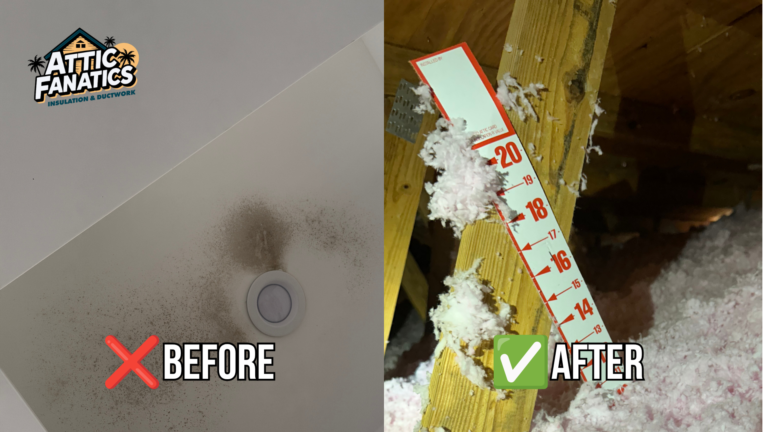
Air movement is a critical factor in indoor air quality. Poor insulation disrupts the natural balance of airflow, forcing air to travel through unintended pathways. Small leaks around attic hatches, vents, and ceiling penetrations can carry irritants such as mold spores, pollen, and pet dander into living areas. Without proper air sealing, these contaminants circulate constantly, creating a persistent environment for allergy triggers. Homeowners may notice increased sneezing, coughing, or general respiratory discomfort, especially during humid summer months when attic temperatures rise and airflow accelerates through gaps in insulation.
🌧️ Attic Leaks as a Hidden Source of Contamination
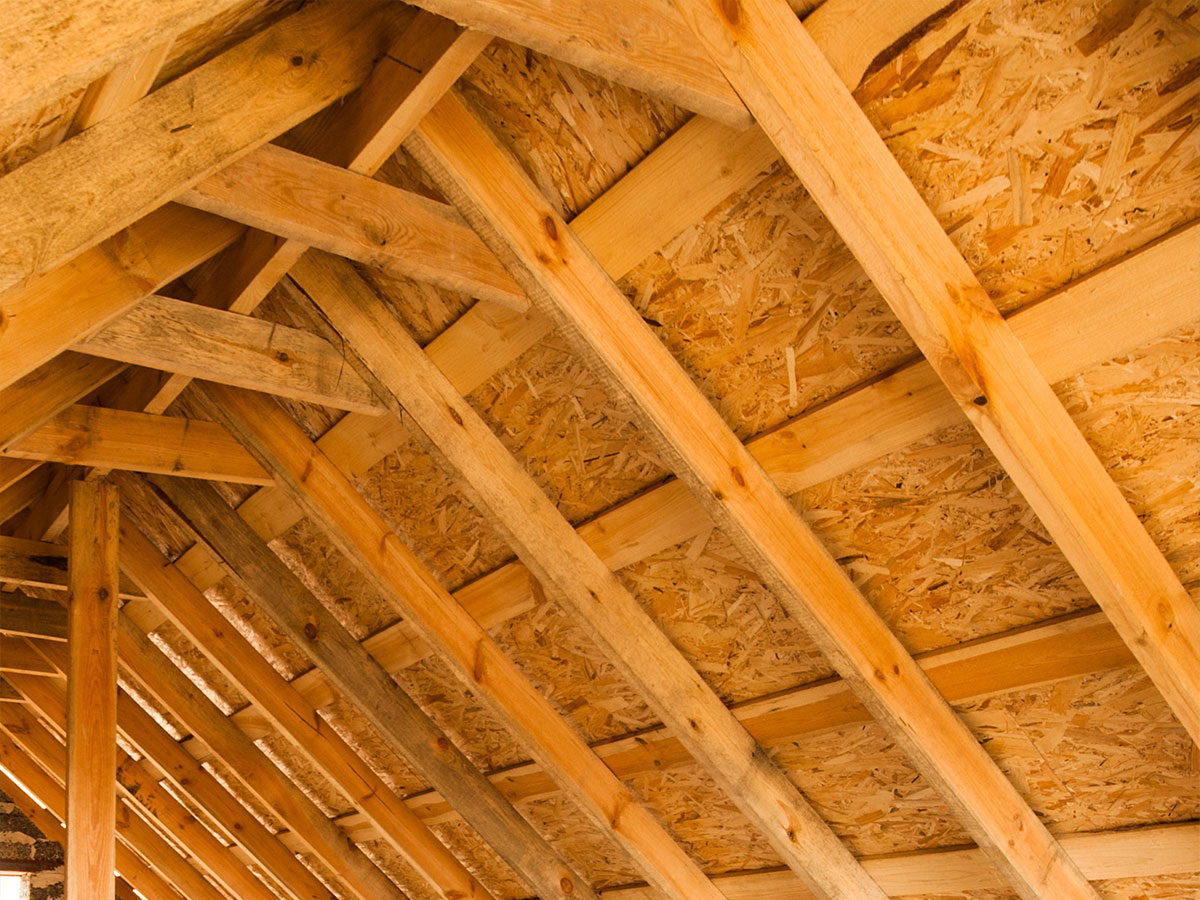
Water intrusion from roof leaks can further deteriorate insulation materials, reducing their effectiveness while providing an environment for mold and mildew growth. Even minor leaks compromise the thermal barrier, creating pockets of moisture that attract dust and promote allergen accumulation. Over time, affected insulation loses its loft, leaving voids where air bypasses the intended pathways. These compromised zones become reservoirs for airborne particles, which can travel through vents and gaps into bedrooms, living rooms, and other frequently used spaces.
🧪 Compounding Effect of Poor Insulation on Indoor Health
Once dust and airborne irritants infiltrate living spaces, they can exacerbate respiratory conditions, irritate skin, and reduce overall comfort. Homes with uneven or insufficient insulation often experience temperature inconsistencies, which can encourage additional airflow through cracks and leaks, perpetuating the cycle of contamination. Even areas that appear clean may harbor microscopic particles that have settled over time, slowly accumulating into a significant health concern. This process is particularly relevant in humid, subtropical homes, where moisture and temperature fluctuations accelerate dust adhesion and particle movement.
⚡ Single List of Key Preventive Measures
To mitigate these risks and restore healthier indoor air, homeowners can focus on the following steps:
- Comprehensive attic inspection to identify insulation gaps and areas affected by roof or ceiling penetrations
- Professional measures to block unintended airflow paths
- Upgrading insulation materials to ensure even coverage and moisture resistance
- Regular maintenance of HVAC systems to reduce recirculation of dust and allergens
- Moisture control to prevent mold development in attic spaces
🏠 Ensuring Long-Term Air Quality in Homes
Addressing substandard or aging attic insulation is not just about energy efficiency; it also directly affects indoor air quality and overall resident well-being. Attic Fanatics emphasizes that combining high-quality insulation, strategic air sealing, and moisture management can greatly reduce dust accumulation and irritant infiltration. Professional evaluation ensures that gaps, leaks, and compromised areas are identified and corrected, preventing long-term exposure to airborne particles. Properly installed insulation not only maintains consistent comfort but also supports a healthier living environment in areas with high humidity and temperature fluctuations.