The Hidden Insulation Scams That Lead to Bigger Home Efficiency Issues 

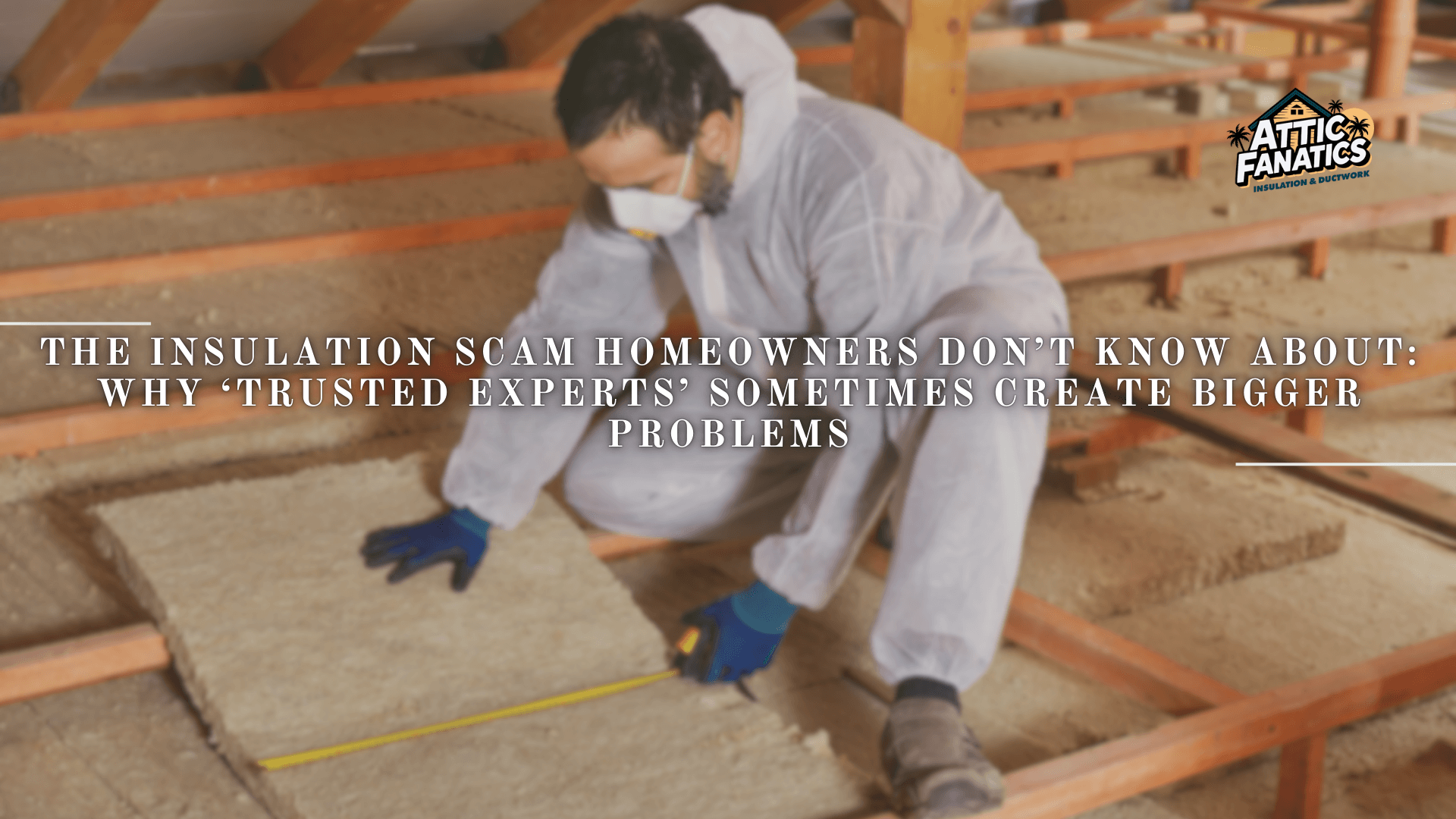
Many homeowners rely on trusted insulation experts expecting clarity, accuracy, and reliable workmanship, yet the insulation industry contains misleading practices that quietly undermine home efficiency. Problems often start with rushed assessments, exaggerated promises, or installations that don’t match the home’s actual needs. These issues remain hidden until uneven temperatures, rising utility bills, or unexpected moisture signs reveal that the attic was never properly evaluated in the first place.
Scams in this field rarely appear dramatic. Instead, they show up as subtle shortcuts oversold efficiency ratings, inadequate ventilation planning, or services added without necessity. When professionals later inspect these attics, the patterns become clear: the original work was built to look convincing, not to deliver long-term performance.
Overselling R-Value and Misrepresenting Efficiency Gains
 Overselling R-Value and Misrepresenting Efficiency Gains
One of the most common tactics involves overstating insulation R-values to make a job sound more effective than it truly is. Some contractors rely on impressive numbers to sell upgrades, even though actual performance depends heavily on installation quality, air movement, and how the attic handles temperature differences. When these factors are ignored, the promised improvements never materialize.
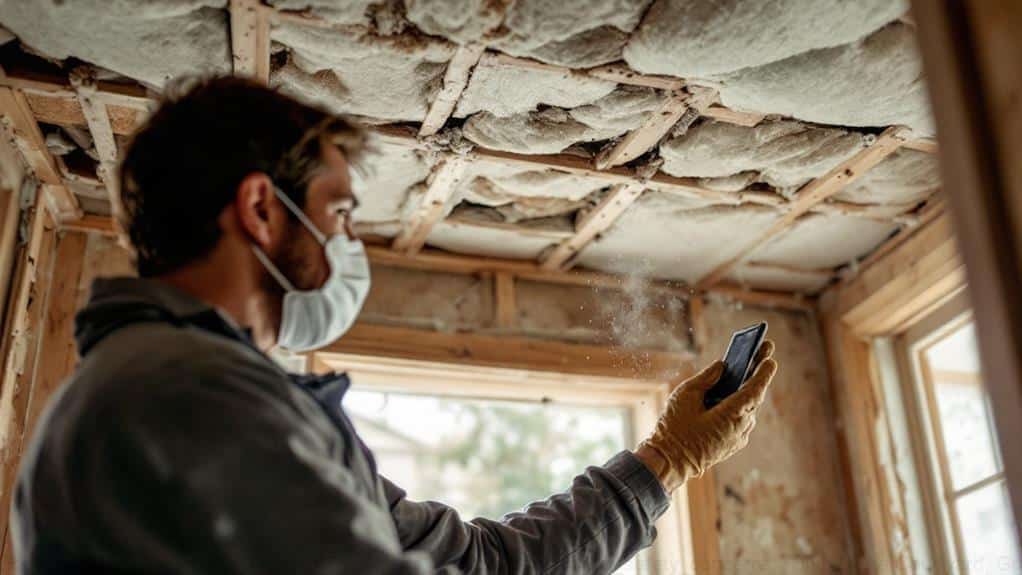
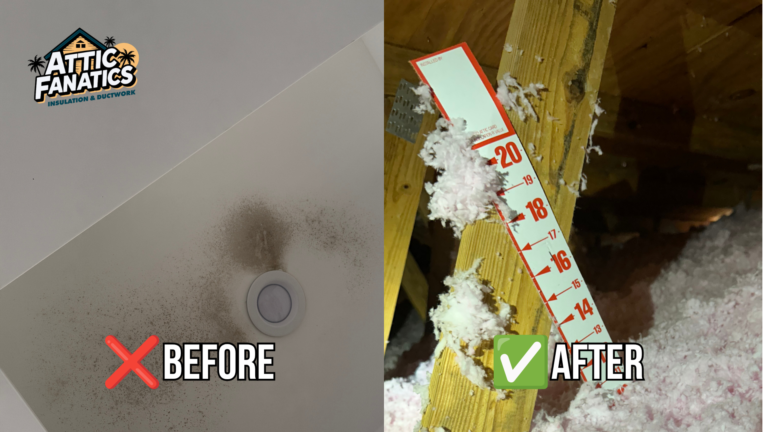
Professionals frequently uncover situations where new insulation was layered over deteriorated material. While this creates the appearance of added depth, it traps old moisture, mold, or contamination beneath the surface. Homeowners believe their attic has been enhanced, but energy efficiency declines because the underlying issues remain untouched and continue affecting performance.
Installation Errors That Reduce Insulation Efficiency
 Installation Errors That Reduce Insulation Efficiency
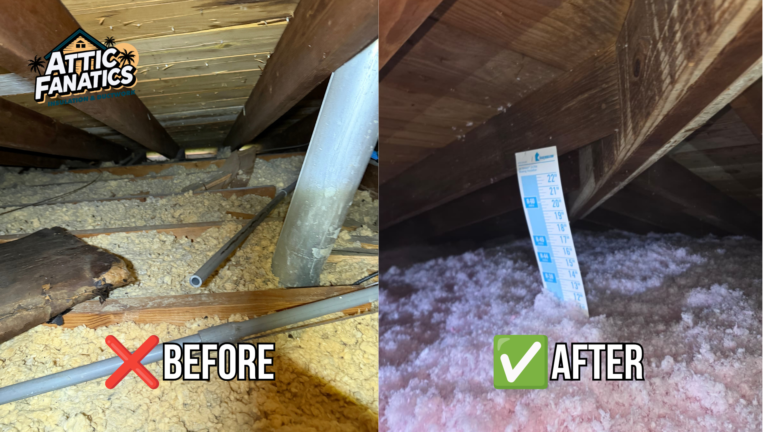
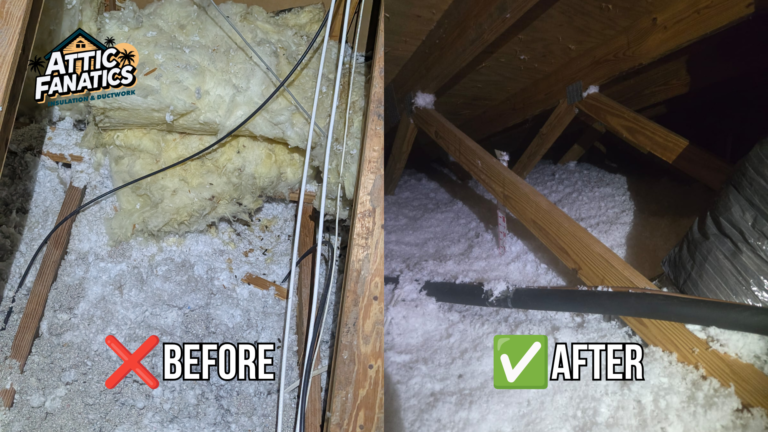
Improper installation is another widespread issue. Even high-grade insulation loses effectiveness when it’s compressed, unevenly distributed, or applied without sealing air leaks. Gaps along framing, poorly fitted batts, or thin areas in blown-in coverage create pathways for heat transfer that undermine the entire system.
In many attics, inspections reveal insulation placed too tightly around wires or fixtures, reducing its thermal resistance. Spray foam may pull away from rafters if not applied under the right conditions, forming air pockets that negate its insulating capability. These mistakes are rarely visible to homeowners but significantly compromise overall energy performance.
Ventilation Problems Overlooked During Installation
 Ventilation Problems Overlooked During Installation
Ventilation is one of the most misunderstood elements of attic design. Some contractors avoid discussing airflow because correcting it requires additional time and expertise. Others simply assume the attic already has adequate ventilation, even when obvious blockages or design flaws are present.
When attics lack proper airflow, heat and moisture accumulate, accelerating insulation deterioration. Blocked soffits, covered vents, or insulation pushed against critical air channels create stagnant pockets where moisture settles. This imbalance leads to mold, structural stress, and premature material breakdown. Proper ventilation is essential for insulation longevity, yet it’s often the first detail ignored in substandard installations.
Unnecessary Add-Ons and Inflated Recommendations
 Unnecessary Add-Ons and Inflated Recommendations
Another industry pattern involves upselling services that offer minimal or no value. Homeowners may be told they need vapor barriers, specialized coatings, or expensive insulation types when their attic’s real issues involve air leakage or blocked ventilation. These add-ons sound technical and persuasive, but they don’t address root problems.
Some contractors also recommend full attic replacements when spot corrections would suffice. Others charge premium rates for minimal upgrades disguised as major improvements. These strategies exploit the average homeowner’s limited understanding of insulation science, resulting in costs that far exceed the value delivered.
Real-World Scenarios That Reveal Hidden Scams
 Real-World Scenarios That Reveal Hidden Scams
During inspections, professionals often find similar patterns across different homes. One attic may have insulation covering recessed lights that require safety clearance. Another might have thick insulation at the center but very thin edging where heat transfer is most likely. Some attics show evidence of moisture damage buried beneath a new layer of material a clear sign the original installer chose to conceal rather than correct the problem.
These recurring issues illustrate how shortcuts create long-term inefficiencies. What appears clean and newly upgraded from above often hides problems that quietly degrade home comfort and increase energy consumption.
How Honest Diagnostics Prevent These Issues
 How Honest Diagnostics Prevent These Issues
Transparent evaluation is the most effective defense against insulation scams. Attic Fanatics approaches each attic with detailed diagnostics rather than assumptions, assessing airflow patterns, insulation density, moisture activity, and structural conditions. Instead of relying on generic claims, their process identifies the specific factors affecting performance and reveals what the attic truly needs.
This method eliminates unnecessary upsells and focuses on correcting underlying issues that directly impact energy efficiency. By addressing ventilation flaws, sealing bypass routes, and choosing materials suited to the home’s conditions, they ensure the upgrades provide measurable, long-term benefits.
Strengthening Home Efficiency Through Clarity and Expertise
 Strengthening Home Efficiency Through Clarity and Expertise
Insulation performance depends on honesty, precision, and an understanding of how attic environments behave over time. When homeowners are informed about common scams oversold ratings, rushed installation, ignored ventilation, and unnecessary add-ons they gain the ability to make decisions that protect their comfort and their home’s integrity. Through transparent diagnostics and performance-focused improvements, it becomes possible to create an attic system built on accuracy rather than assumptions.