Is Batt Insulation Enough for Older Homes? 🏚️

Older homes, with their unique charm and character, often present challenges when it comes to energy efficiency. Batt insulation, commonly used in many older houses, may have been sufficient in the past, but is it still enough today?
🏠 What is Batt Insulation and Why It Was Once Popular
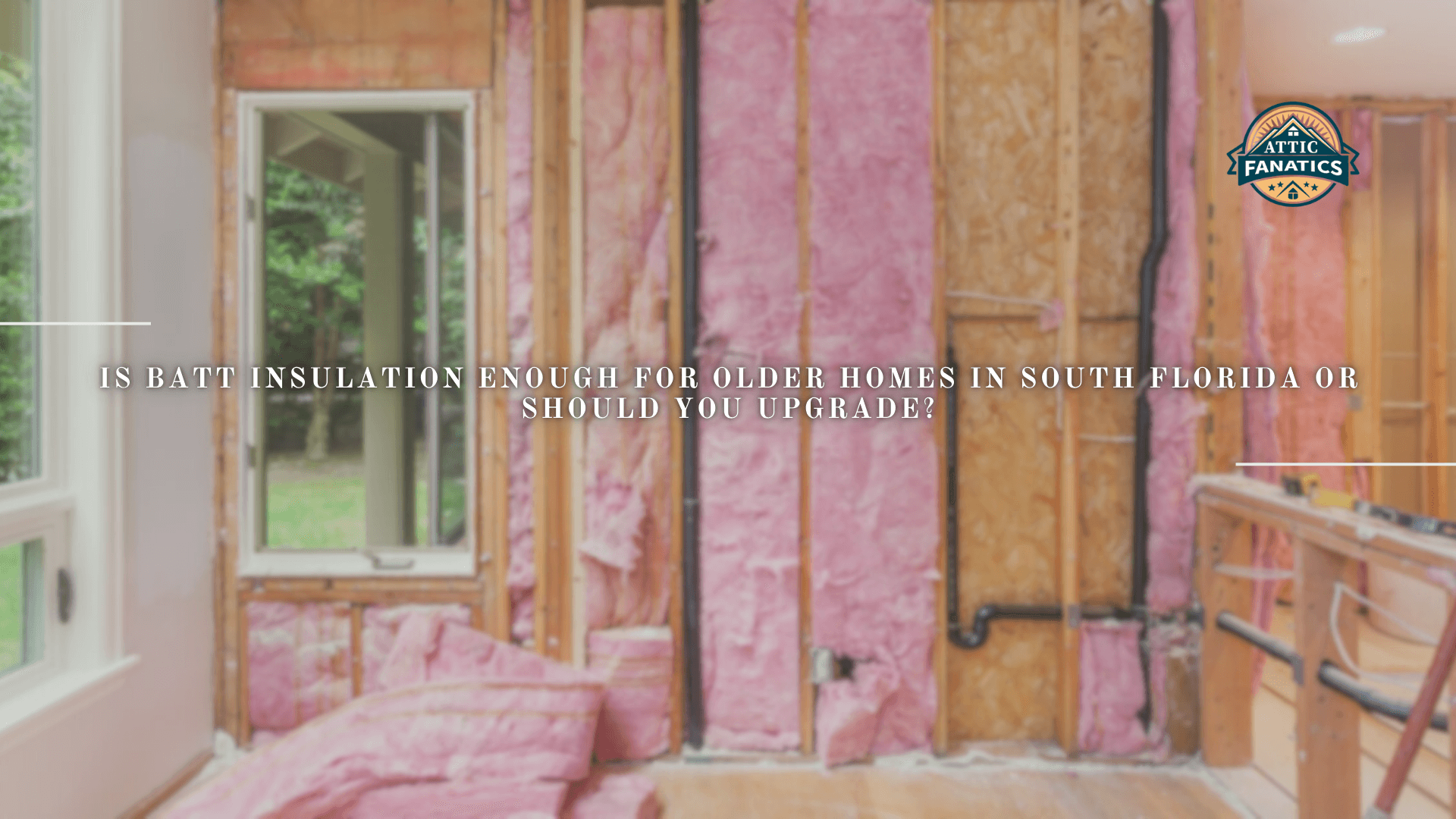
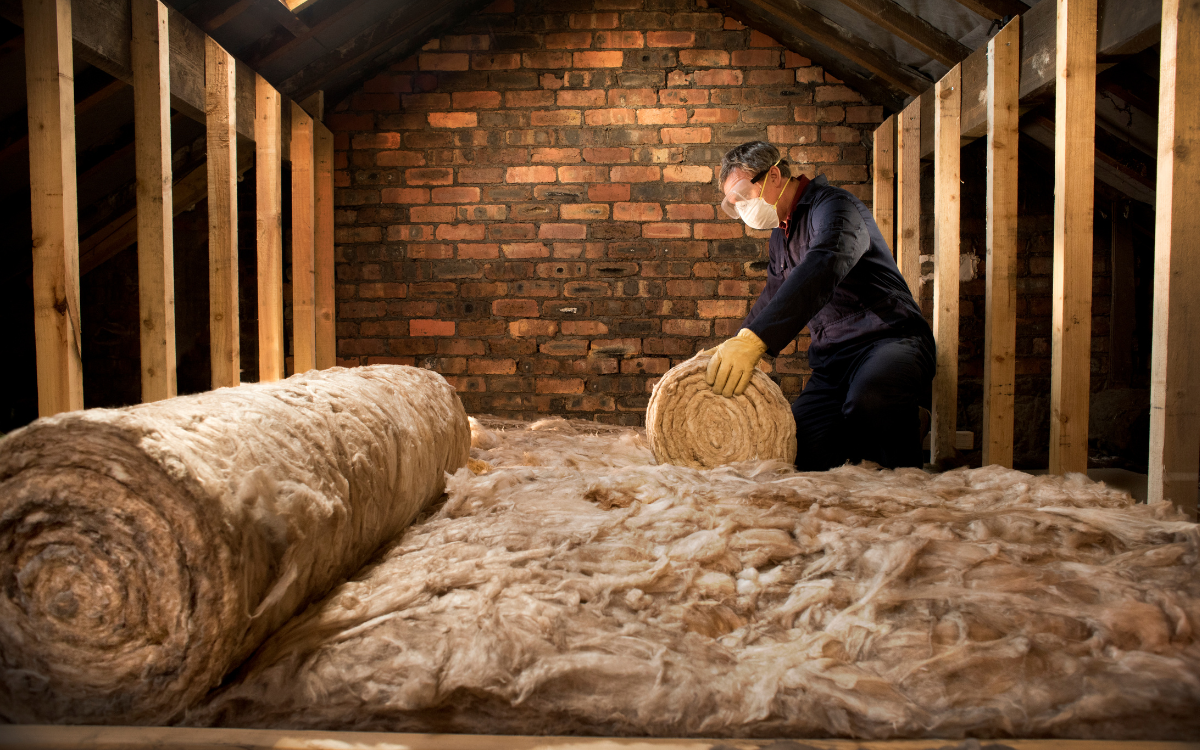
Traditional fiberglass or mineral wool insulation, commonly used in older homes, is typically installed between wall studs, joists, and beams in attics or walls. This type of insulation was a popular choice due to its affordability and ease of installation. Although it still serves its purpose in many situations, this material has limitations, particularly in homes exposed to high humidity or extreme weather conditions. Learn more about batt insulation options.
🌡️ Why Traditional Insulation Might Not Be Enough
While traditional insulation provides a reasonable level of thermal protection, it’s not always the best solution for homes in areas with constant humidity and fluctuating temperatures. Over time, this type of insulation can lose its effectiveness, particularly if it becomes damp. Moisture buildup can lead to the growth of mold and mildew, which not only deteriorates the material itself but also damages the structure of the home.
Additionally, blanket-style insulation is prone to gaps and compression, especially in older homes with irregular framing. These gaps allow heat to pass through, undermining the effectiveness of your home’s insulation and increasing your energy bills.
🔧 When to Upgrade Attic Insulation
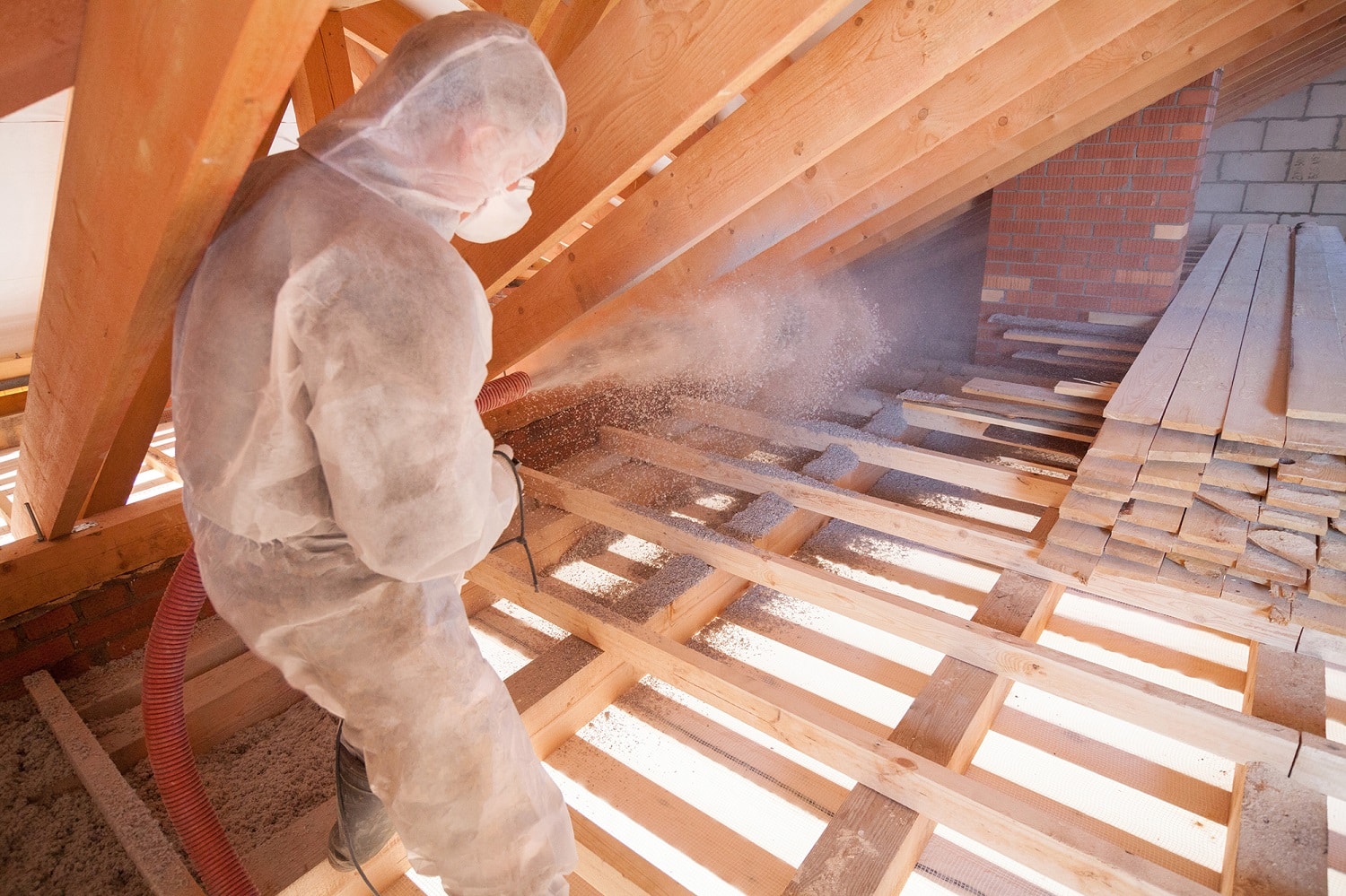
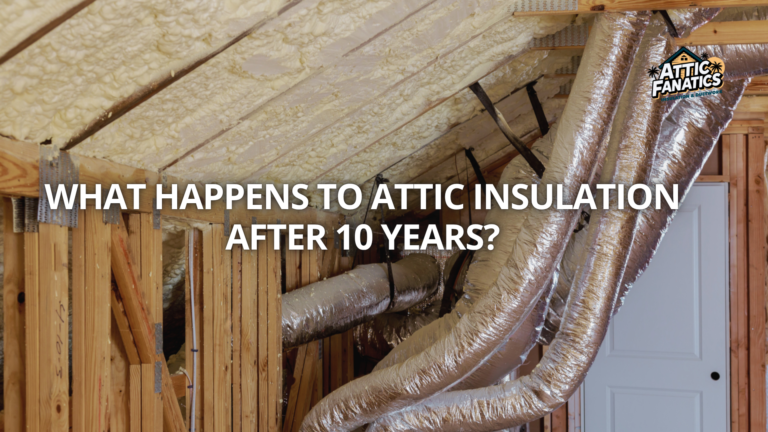
If your home is still relying on fiberglass rolls or pre-cut insulation and you’re noticing uneven temperatures or higher energy costs, it might be time to consider an upgrade. Modern insulation materials, such as spray foam insulation or blown-in cellulose, offer superior coverage and sealing properties. These materials fill gaps better than traditional options, ensuring that heat doesn’t escape during the winter or infiltrate during the summer.
Advance attic insulation can also address common issues in older homes, such as drafts, condensation, and even pests. The right insulation will create a more energy-efficient home, keeping your space comfortable year-round while reducing your HVAC system’s workload.
🏚️ Insulating an Old House: What You Need to Know
When upgrading old house insulation, it’s important to consider the specific challenges of older buildings. These homes often have limited access to attics and walls, making insulation installation more complex. However, advancements in insulation materials and installation techniques have made it easier to retrofit older homes for better energy efficiency.
One of the most popular upgrades for insulating older properties is spray foam. This material expands when applied, filling gaps, cracks, and hard-to-reach spaces, creating a tight seal that keeps the heat inside during the winter and out during the summer. Spray foam also acts as an air barrier, reducing the amount of outside air entering the home, which improves overall comfort.
🌬️ Importance of Addressing Air Leaks
Air leaks are a common issue in older homes, and even the best insulation can’t solve the problem if air is allowed to flow freely through gaps in the structure. By upgrading your insulation and addressing air leaks at the same time, you’ll experience a more consistent indoor temperature and reduced energy consumption.
When upgrading attic insulation, consider sealing air leaks in the attic and around windows, doors, and ducts. Properly sealing your home will enhance the overall effectiveness of the new insulation and improve comfort in every room.
🌱 Long-Term Benefits of Insulation Upgrades
The benefits of upgrading attic insulation go beyond just energy savings. Proper insulation can extend the life of your HVAC system by reducing its workload and preventing wear and tear. Additionally, it helps maintain indoor air quality by keeping out dust, allergens, and outdoor pollutants.
By investing in better insulation, you’re not only enhancing your home’s energy efficiency but also protecting its structure. Preventing moisture damage, mold growth, and air infiltration helps preserve the integrity of your home, reducing the likelihood of costly repairs in the future.