
Efficiently insulate your home with blow in insulation, enhancing energy efficiency, comfort, and indoor air quality
Schedule a professional attic inspection with Attic Fanatics to ensure your space is safe, clean, and energy-efficient.
Attic Fanatics specializes in blow-in insulation, a cost-effective and efficient solution for improving your home’s energy performance and comfort. Our services include expert guidance on blow in insulation cost so you can make an informed decision before upgrading. This insulation method uses loose-fill materials to fill gaps and hard-to-reach areas, creating a seamless thermal barrier. Our blow in attic insulation not only reduces energy bills but also enhances indoor air quality by minimizing drafts and airborne particles. Whether for attics, walls, or other spaces, our expert team ensures precise installation tailored to your home’s needs. Choose blow-in insulation for a quick, reliable, and eco-friendly upgrade to your home’s efficiency and comfort.
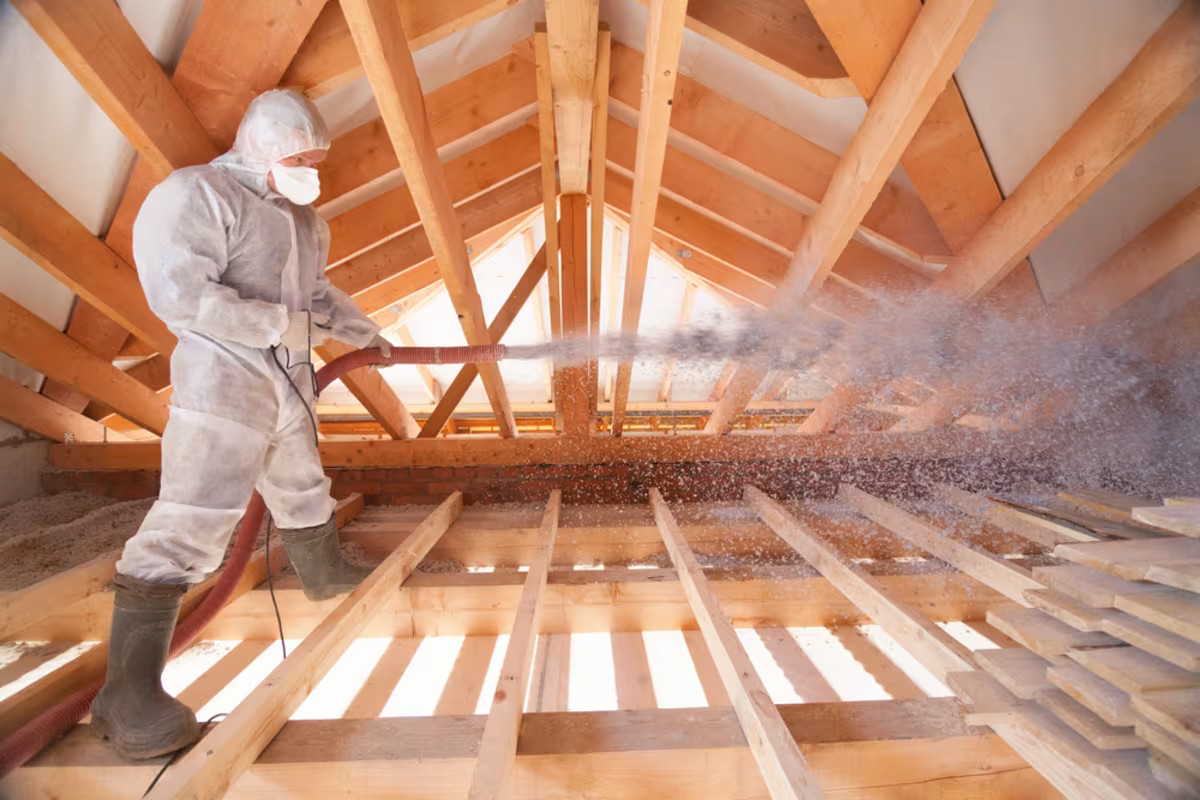
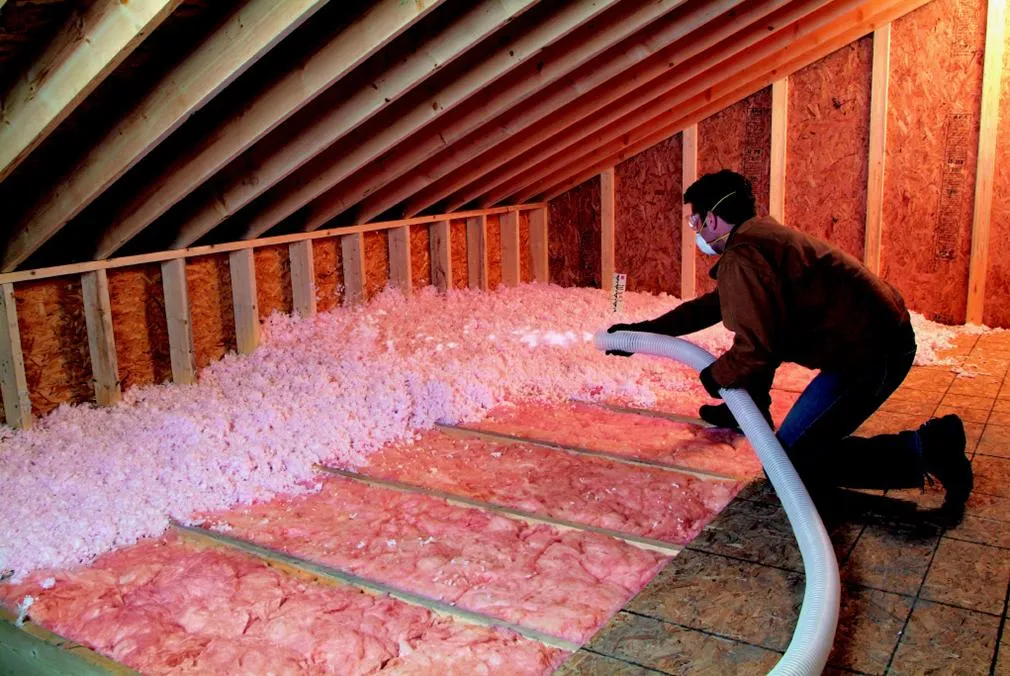
Efficiently insulate your home with blow-in insulation to reduce energy costs, enhance comfort, and improve air quality.
Blow in insulation by Attic Fanatics is a smart investment in your home’s energy efficiency, comfort, and sustainability, ensuring lasting results.
At Attic Fanatics, we combine expertise, quality craftsmanship, and eco-friendly solutions to deliver unmatched attic insulation and cleaning services
Our advanced insulation solutions seals your attic efficiently to prevent energy loss enjoy comfort and savings.
We remove old insulation, sanitize your attic, and clean air ducts to reduce allergens, dust, and mold.
Our experienced team is dedicated to providing reliable, high-quality service with attention to detail.
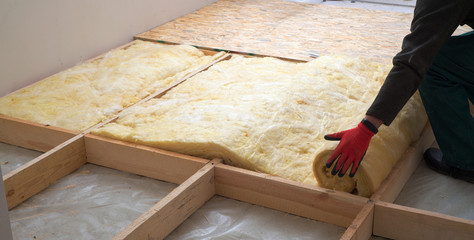
Dedicated to friendly, reliable service with clear communication and customer-first solutions.
Blow-in insulation is a loose-fill material installed with specialized equipment that distributes insulation evenly across the attic floor. It creates a continuous thermal barrier that improves energy efficiency and indoor comfort.
Blow-in insulation is one of the most effective solutions for improving attic insulation without major structural changes.
Blow-in insulation slows the transfer of heat between the attic and the living space by trapping air within millions of tiny pockets inside the insulation material.
A properly insulated attic helps maintain more consistent indoor temperatures throughout the year.
Blow-in insulation provides complete attic coverage while improving energy efficiency and indoor comfort. It adapts easily to irregular attic layouts that are difficult to insulate with traditional batt insulation.
Its ability to provide uniform coverage makes it a popular choice for attic insulation upgrades.
Blow-in insulation generally provides more complete attic coverage because it fills gaps around framing, wiring, and other obstacles that batts cannot fully cover.
The best option depends on the attic design, but blow-in insulation is often preferred for retrofit projects.
The required insulation depth depends on the target R-value and the insulation material being installed. Fiberglass and cellulose require different thicknesses to achieve the same thermal performance.
A professional measurement ensures the attic reaches the recommended insulation level.
Blow-in insulation can remain effective for decades if it stays dry and undisturbed. Its lifespan depends primarily on attic conditions rather than the age of the material.
Maintaining a dry, properly ventilated attic helps maximize insulation performance for many years.
Yes. Minor settling is expected after installation, particularly with loose-fill materials. Professional installers calculate the required coverage to ensure the attic still reaches the target R-value after normal settling occurs. Excessive settling is uncommon and usually indicates moisture intrusion or another underlying attic issue.
Common factors that affect settling include:
When installed correctly, blow-in insulation continues delivering reliable thermal performance for many years without requiring frequent adjustments.
Yes. One of the biggest advantages of blow-in insulation is its ability to flow into spaces that are difficult or impossible to cover with fiberglass batts. The material spreads evenly around framing members, electrical wiring, plumbing lines, and other attic obstructions.
It is particularly effective for:
Complete coverage helps eliminate insulation gaps that can reduce the overall energy efficiency of the attic.
Yes. Blow-in insulation is commonly recommended for older homes because it increases attic insulation without requiring major remodeling. In many cases, additional insulation can be installed over the existing layer after confirming it is clean, dry, and free from contamination.
Older homes often benefit from blow-in insulation because it:
An attic inspection determines whether the existing insulation should remain or be removed before new material is installed.
Yes. Blow-in insulation slows heat transfer through the attic, allowing indoor temperatures to remain more stable throughout the day. This helps reduce temperature differences between rooms, especially in homes where upper floors become noticeably warmer than lower levels.
Homeowners often notice improvements such as:
Maintaining a stable indoor temperature makes the home more comfortable during every season while improving overall energy efficiency.
Yes. Blow-in insulation adds density above the ceiling, helping absorb airborne sound before it enters the living space. While it is not a dedicated soundproofing product, it can noticeably reduce common outdoor and roof-related noise.
Noise reduction is most noticeable for:
Many homeowners appreciate the added acoustic benefit in addition to improved thermal insulation and lower energy costs.
Yes. Existing insulation can often remain in place if it is dry, evenly distributed, and free from mold, water damage, or pest contamination. Adding a new layer increases the overall R-value without the added cost of complete insulation removal.
Additional insulation is typically installed when the existing material is:
A professional attic inspection determines whether adding insulation is appropriate or if removal should be completed first.
Blow-in insulation itself does not create mold, but mold can develop if excessive moisture is present in the attic. Fiberglass does not absorb water as easily as cellulose, while both materials perform best in a dry, properly ventilated attic.
Preventing mold depends on:
Keeping moisture under control helps preserve both the insulation’s performance and the condition of the attic structure.
Yes. In colder climates, proper attic insulation reduces heat escaping through the ceiling, helping keep the roof surface at a more consistent temperature. This reduces snow melt that can refreeze along roof edges and form ice dams.
Blow-in insulation helps by:
For maximum protection, insulation should be combined with proper attic ventilation and air sealing.
Blow-in insulation is installed using specialized equipment that blows loose-fill insulation through a hose into the attic. Installers distribute the material evenly until the required depth and target R-value are reached.
The installation process typically includes:
Professional installation ensures consistent insulation thickness across the entire attic floor.
Blow-in insulation requires very little maintenance after installation. It remains effective as long as it stays dry, undisturbed, and protected from roof leaks or pest activity.
Periodic attic inspections should check for:
If no problems are found, blow-in insulation can continue performing efficiently for decades without routine maintenance.
The attic should be inspected to identify any issues that could affect insulation performance. Roof leaks, pest infestations, damaged insulation, and major air leaks should be addressed before new insulation is installed.
Preparation may include:
Proper preparation helps the new insulation perform as intended and improves its long-term durability.
Yes. Upgrading attic insulation is considered an energy-efficiency improvement that can make a home more attractive to potential buyers. Lower operating costs and improved indoor comfort are features many buyers actively look for when comparing properties.
Buyers often view upgraded insulation as a benefit because it can:
While insulation alone does not determine a home’s value, it contributes to better energy performance and can improve overall market appeal.
Blow-in insulation should be evaluated if your home becomes less comfortable or energy costs continue to rise despite normal HVAC operation. A professional attic inspection can measure the existing insulation depth and compare it with current recommended R-values.
Common signs that an upgrade may be needed include:
Adding new blow-in insulation is often enough to restore the recommended insulation level without removing the existing material if it remains clean and in good condition.
Hear from our satisfied customers who have experienced the exceptional service and results Attic Fanatics delivers.
EXCELLENT Based on 44 reviews
 Posted on Google
 Aneti KThese guys are amazing. I had the team come out to check our attic insulation and also do some attic sanitization, as we were dealing with a musty smell. They gave me a few options to repair or replace the old insulation. While everyone has different needs, I decided to go for the replacement. They even offered a flexible payment plan that I couldn’t believe! The next day, the team was back to get everything done. These guys really know their stuff. I can’t speak to the exact price because every home is different, but trust me, they answered every question and were there when I needed them. Highly recommend Attic Fanatics!
Owner's reply
Thank you for your wonderful review, Aneti! We're delighted to hear that you had a positive experience with our team and that we could assist with your attic insulation needs. Your recommendation means a lot to us, and we strive to provide exceptional service to every client. If you need anything in the future, please don't hesitate to reach out!Posted on Google Esther NicolauThe name tells it all “Attic Fanatics” are an incredible team of fanatics with their professionalism, knowledge, reliable and courteous from beginning to end. Since my home was built in 1950 and have lived here for 29 years I’m sure the insulation in my attic was super old, dusty and dirty. Levi explained everything and answered all my questions or doubts. The team came and removed all the old contaminated insulation, sanitized, blow-in new insulation, air gap sealing, duct sealing and duct cleaning. Thank you again to the guys that worked non-stop on my attic. Levi and Benny thank you for your excellent service! I highly recommend them for any insulation.
Owner's reply
Thank you so much for your wonderful review, Esther! We are delighted to hear about your positive experience with Levi and the team. It's great to know that you're pleased with the work done in your attic. Your recommendation means a lot to us, and we appreciate your trust!Posted on Google Gary KoliadaMy wife and I had a GREAT experience with Attic Fanatics. We noticed our attic insulation was old and causing some energy issues, so we decided to have it removed. Levi came out for the inspection and was super thorough. He walked us through what needed to be done and made sure we understood the whole process. When it came time for the insulation removal, the team got to work quickly and cleaned everything up after. The difference was noticeable almost immediately. Our home feels more comfortable, and we’re hopeful about saving on energy bills moving forward. Levi and the team were extremely professional, friendly, and really knowledgeable. Highly recommend them for anyone needing insulation removal!Posted on Google
 HR Luxhighly recommend for attic insulation! Their team was professional, punctual, and extremely knowledgeable. They explained everything clearly, worked efficiently, and left my home spotless. I’ve noticed a significant improvement in temperature control and lower energy bills. If you need insulation done right, this is the company to call!Posted on Google
 David WAriel did an incredible job in communicating. He explained what will be done and we were thrilled how clean they kept our house. We are already seeing the savings on our electric bill. I already recommended them to my family.Posted on Google
 Martha BuhmanSomeone really has to impress me for me to write a review Attic Fanatics did just that The entire team • professional • courteous • knowledgeable • efficient • reliable • excellent communication Their customer service, which is crucial to me, equals customer accommodation and satisfaction In my first conversation with Benny, his expertise came across loud and clear – he was easy to talk to and upfront, which spells trustworthy Even their flyer and website are well done indicating professionalism and attention to detail Beyond that, knowing that it’s all clean and fresh and new up there is indescribable – my house was built in 89/90 – I moved in January 2005 and I’m sure whatever was up there was original – there were at least 3 previous owners – there had been roof leaks and while they were fixed, the insulation remained the same – so by 2025, must have been in really bad shape – just because you can’t see something doesn’t make it all right I could go on so suffice to say, I can’t recommend them enough! Plus, I love the name!!!
Owner's reply
Thank you so much for your detailed and glowing review, Martha! We are thrilled to hear that our team impressed you with their professionalism and expertise. Your trust and satisfaction are our top priorities, and we're glad to know that you found our services valuable. We appreciate your recommendation and your kind words about our name!Posted on Google David RaskindWhat a turnkey and pleasant experience! From the initial inquiry to the end of the job, this company was so professional and knowledgeable. They did an awesome job cleaning our ducts and the air in the house now smells fresh and clean! Highly recommend!
Owner's reply
Thank you, David, for your fantastic feedback! We're thrilled to hear that you had a pleasant experience and that our team met your expectations. Your recommendation means a lot to us! We look forward to serving you again in the future.Posted on Google Moishy KorfReliable, responsive, honest. 10/10 would reccomend
Owner's reply
Thank you for your amazing feedback, Moishy! We are thrilled to know that you found our services reliable and honest. Your recommendation is greatly appreciated, and we look forward to serving you again in the future!Posted on Google Menny BenShimonThese guys are professionals! Clean work, on time, and no hidden charges lateron. I can already see the difference in my electric bill. Highly recommend!
Owner's reply
Thank you for the fantastic feedback, Menny! We're thrilled to hear that you noticed a positive difference in your electric bill. Your recommendation means a lot to us, and we look forward to serving you again in the future!Showing our latest reviews